
It’s frustrating when a meat rabbit doe doesn’t use her nest box.
You take pains to give her all that she needs, provide her a safe place for her kits to be birthed in and grow in the early weeks, give her the warm and absorbent materials the nest needs, and then, she turns her nose up at it all.
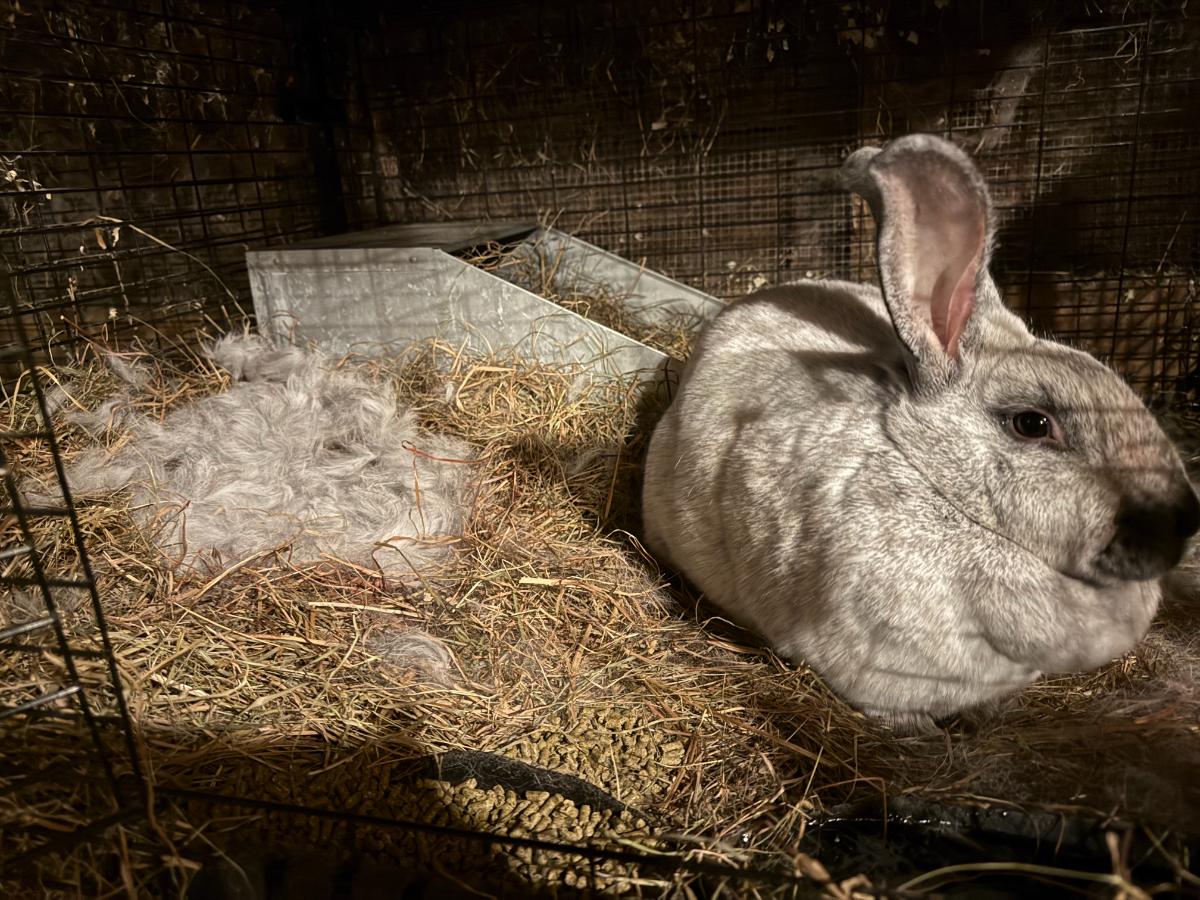
Not only is this annoying, but it’s a safety and well-being issue for the newborn kits.
There are some things you can do to work to remedy the situation.
Jump to:
Not an Uncommon Problem
This is not an uncommon problem to have, even if it is an extremely unwelcome one. Which is only to say, if you have does that do other than use their next boxes for nesting, you're not alone. Probably all of us have this problem at one time or another.
Why Nest Boxes Matter
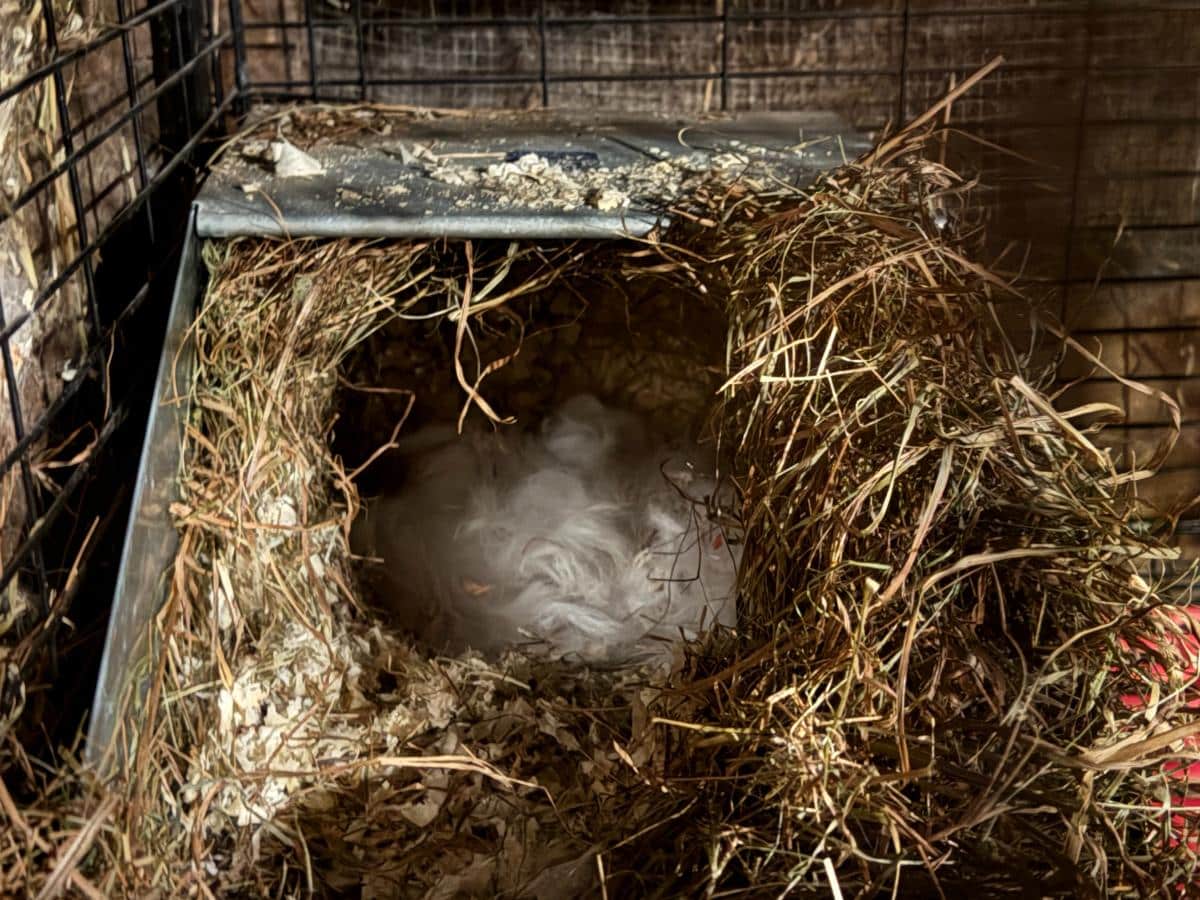
Nest boxes serve a few purposes, but first and foremost, they are the home for newborn kits, at least for the first two weeks.
Some breeders say that they are fine leaving a stubborn doe to her own nest-building devices outside of the box, as long as they build a nice nest.
This isn’t really a good tactic to take.
From the doe’s perspective, nest boxes mimic the burrow they would dig into the ground in which to kindle her kits. So the nest box helps her to exercise her natural mothering instincts. She will feel she has a safe place to birth and keep her kits.
There are other reasons why nest boxes are important for meat rabbits (all rabbits, really):
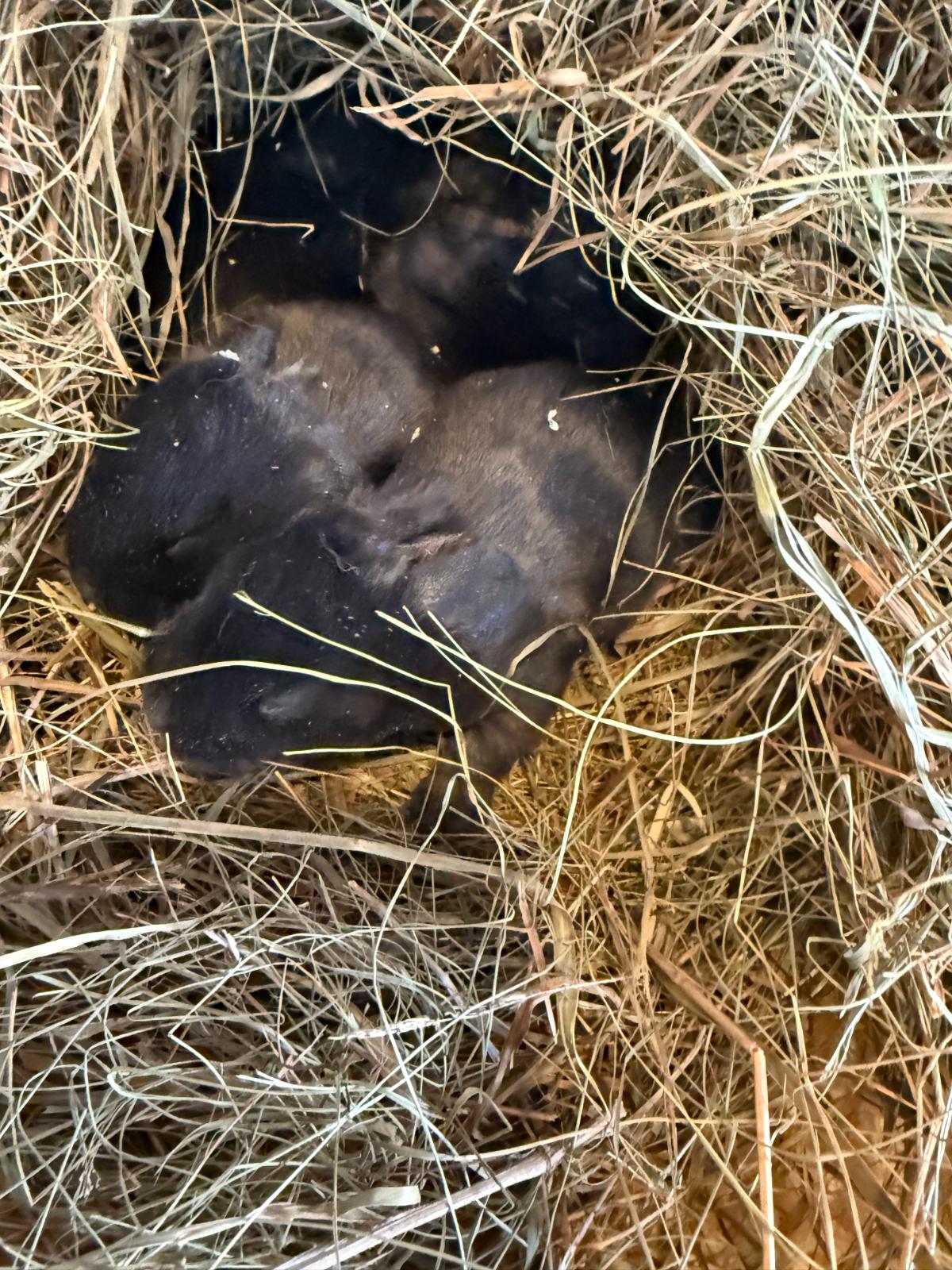
- A nest box keeps the sightless kits together in one relatively close place
- Kits can squirm and find their way to each other in a nest box
- In a nest without borders in the cage or on wire, kits end up squirming in all directions, around and away from each other
- It is extremely important that newborn kits be able to nestle together in a nesting pile -- kits need each other for warmth until they have enough fur to make it on their own!
- Kits are born without fur and rely on the nesting materials and fur lining pulled by the mother to work as a blanket and insulation
- This keeps the collective body warmth of the litter together and in the nest
- Nesting piles outside the box fall apart, and the kits end up without adequate covering
- Nest boxes allow kits to burrow further down into deep nesting materials for more covering and warmth as needed
- Even sightless, newborn kits that cannot walk can move up and down in the pile to adjust heat
- Thin nests outside a box do not allow for this and increase the chances of kits working their way out of wire, falling out of the cage, or getting caught under waterers, feeders, or in corners behind boxes or equipment
- Rabbit does only nurse their kits only twice a day
- An organized, consolidated nest in a nest box allows the doe to get away from the kits throughout the day, as is natural for her
- The doe needs to feel like she can leave the nest to draw attention away from the kits
- Does moving and jumping around the cage will not accidentally jump onto or step on kits outside the box
What to Do About a Meat Rabbit Doe Who Won’t Use Her Nest
We can't always control the instincts or behaviors of our meat rabbits, but there are some steps to take and adjustments you can make to try to get a doe to use a nest box to house her kits safely.
Age May Be a Factor
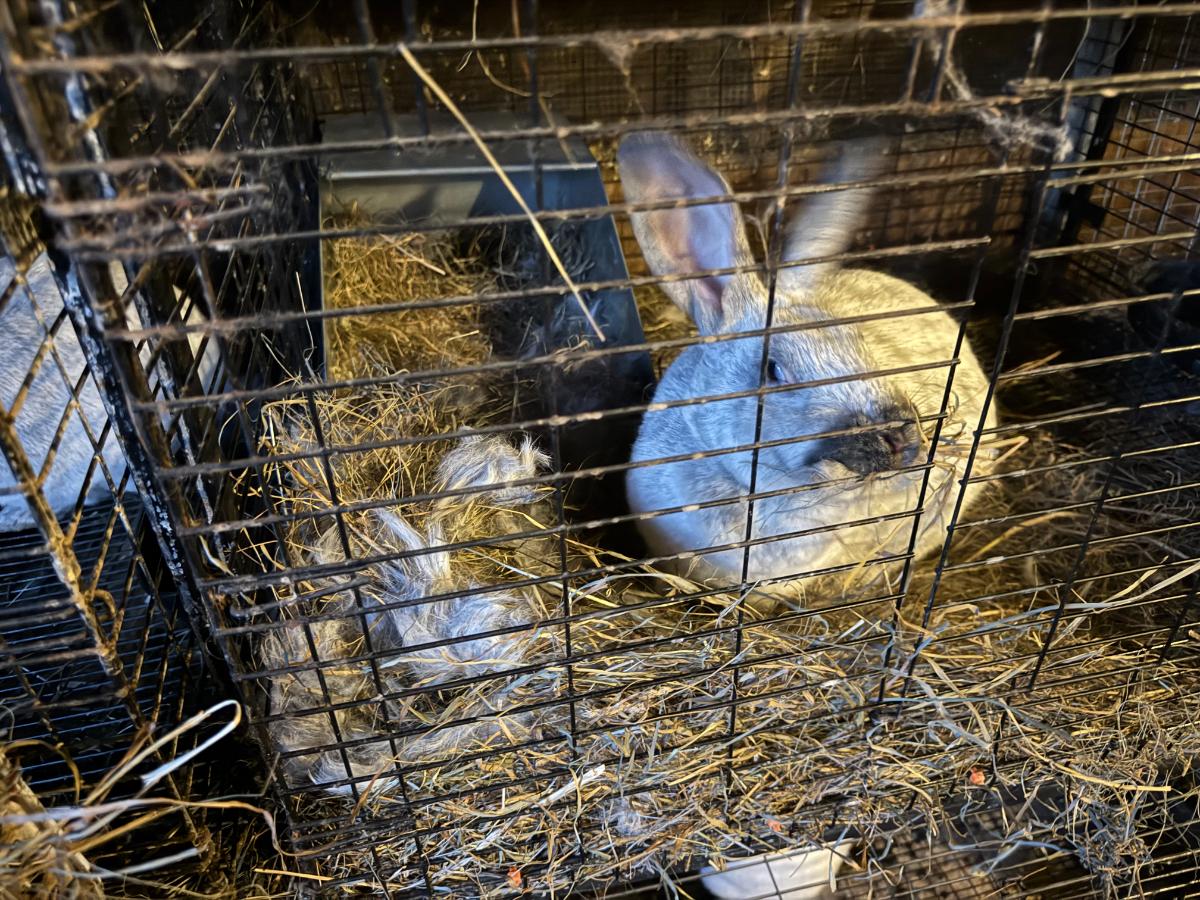
First of all, know that age and experience (or more accurately, inexperience) can be a factor.
It is often the first time mothers and young does who fail to recognize a nest box for what it is and fail to use it properly.
A first-time or new mother may even fail to build a nest or may deliver on the wire with kits scattered around the cage.
This type of behavior is usually due to the doe’s confusion and inexperience. Sometimes a doe will do this because she is having difficulty delivering, such as in the case of a large, stuck, or stretched kit or prolonged delivery.
When the problem is due to the doe’s age and inexperience, you should take steps to protect any live kits (see below), but hopefully, time and experience will right her wrongs.
Don’t Install the Nest Box Too Early
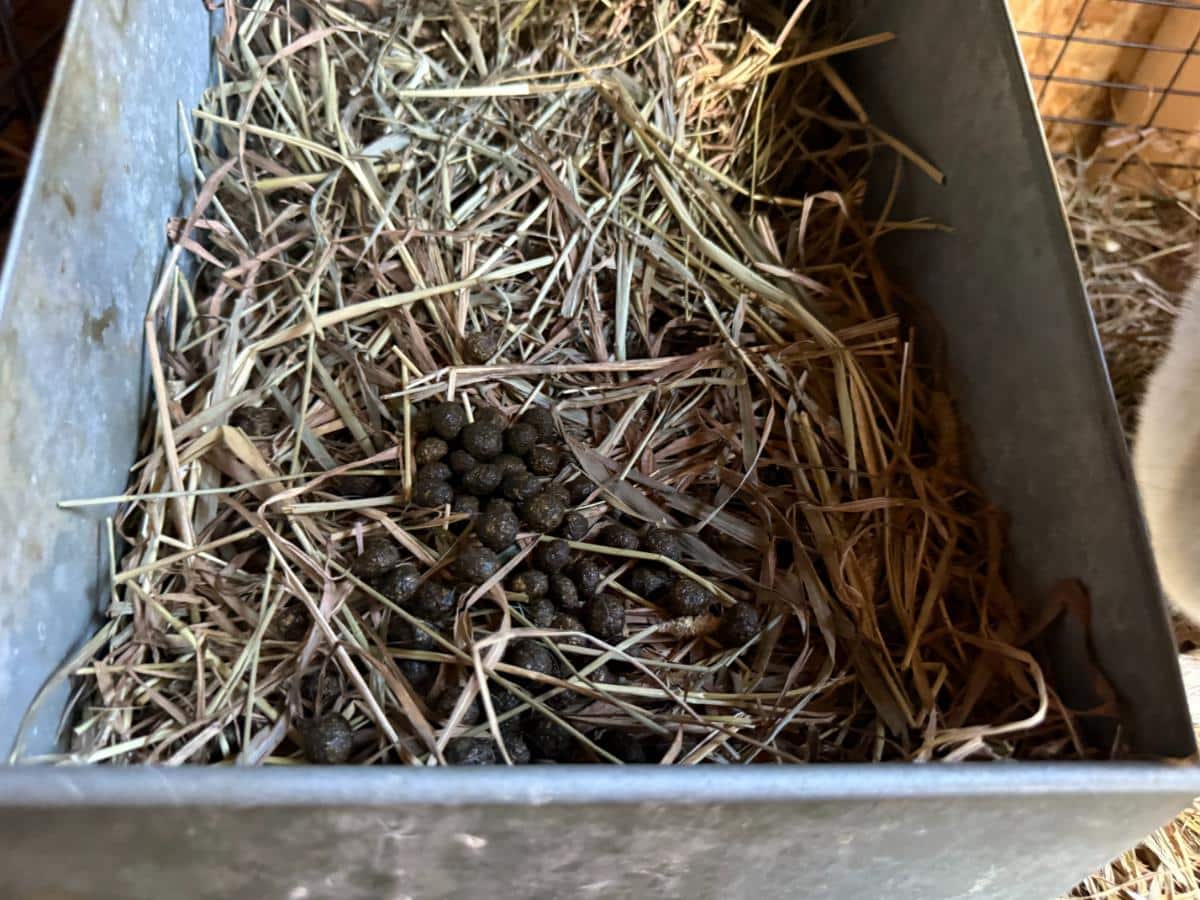
Don’t put the nest box in with your pregnant dog too early. The box should go in on day 28 after breeding.
If you install a nest box earlier than this, the rabbit is more likely to treat it as a litter box or perhaps a resting place, but her hormones and instincts will not have kicked in yet, and she may not view it as a good burrowing and nesting place.
Once a doe uses a nest box for a litter box, she isn’t likely to use it as a nest box (though I admit I have some that nest in the back and mess in the front -- not a good situation, and not something we like to encourage).
If you are installing your nest boxes earlier than 28 days and the does don’t use them for kindling, correct this. This might even be enough to solve your problem.
Clean and Sanitize the Boxes
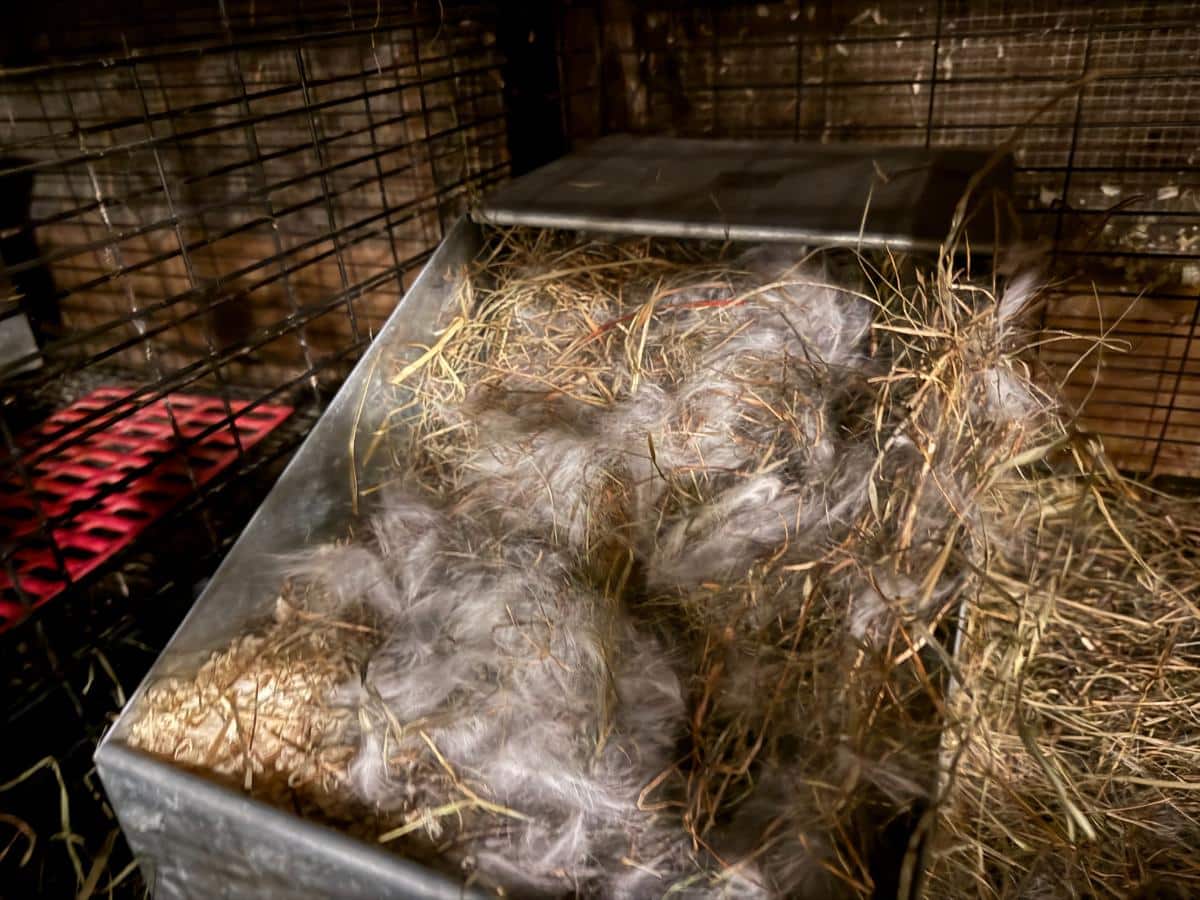
A doe may not want to use a nest box that she thinks has been defiled by another animal (even if that animal was her) or one she suspects is unsafe. Clean and sanitize boxes between births and between animals. See if this helps her accept the box as a safe nesting place.
Does are prey animals that will avoid anything that feels or smells like it has been touched by death or another animal. Old birthing fluids and afterbirth can leave this impression.
Assign a Box for Each Doe
Does are territorial, especially when it comes to their nesting place. If they feel another doe or other rabbits have been in their space, they will avoid that place to protect their litter.
To avoid nest boxes having shared odors, assign a nest box for each doe. Keep enough nest boxes on hand so that only that doe uses her box. Mark the box so you know what box goes with what doe.
When you retire a doe, clean, sanitize, and bleach the box to remove old scents. Leave it outside in the sun and fresh air to air out. If you happen to be in freezing weather, freezing temperatures are great for killing smells.
Try a New Nest Box Size or Style
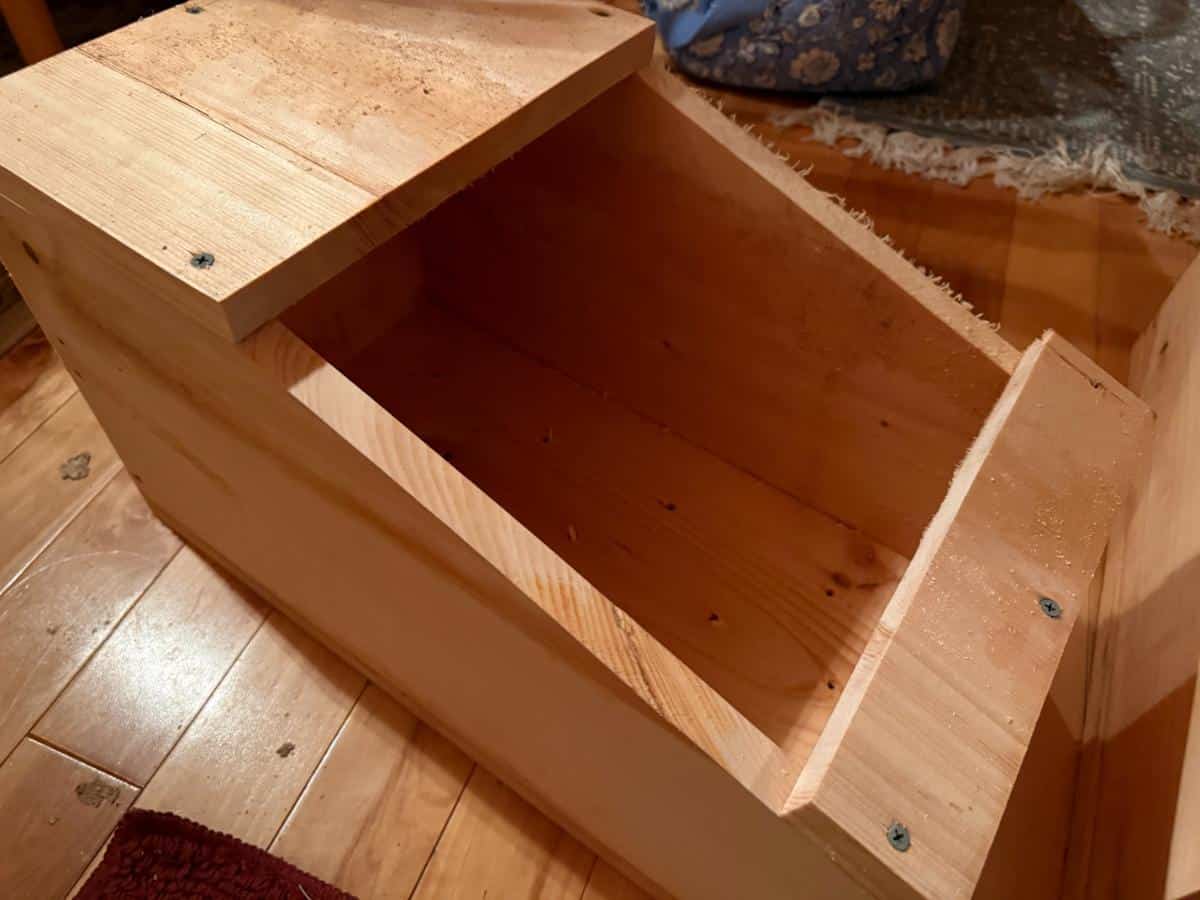
Probably the most common reason that a doe fails to use her nest box is that it is not comfortable for her.
This may happen for a smaller breed rabbit if she has difficulty getting into the box. More likely, especially for meat rabbit breeders, is that the doe will feel like the box is too small or too short.
Medium breeds, which are what most meat rabbit breeds are considered, usually need a large nest box. This is typically an 18-by-10 or 12-inch box. However, some common meat rabbit breeds seem to dislike this size, and a size that is intended for a “giant” breed might be a better choice.
Champagne d’Argents, New Zealands, and other breeds that are on the larger side of the commercial breeds often prefer a bigger box.
If your does continually thwart the nest box, try moving up a size to a 20 or 22-inch box. Do pay attention to make sure you can get it into your cage.
VIDEO: New Meat Rabbit Nest Boxes -- Problem Solver?
Before Kindling
If you notice the doe not using the box early on, try to convince her to use it.
- If she builds a nest outside the box, try placing her nest in the box to show her where it should go
- If the doe digs the nesting materials out of the box, put them back in
- If the doe uses the box as a litter box, empty the materials and restart with fresh nesting materials
- If you don’t trust her to use the box after you try these things, it’s better to be safe than sorry and pack her cage with extra hay; that way, if she continues to refuse the box, at least there will be some protection and a possible nest for the kits
Check Your Box Placement
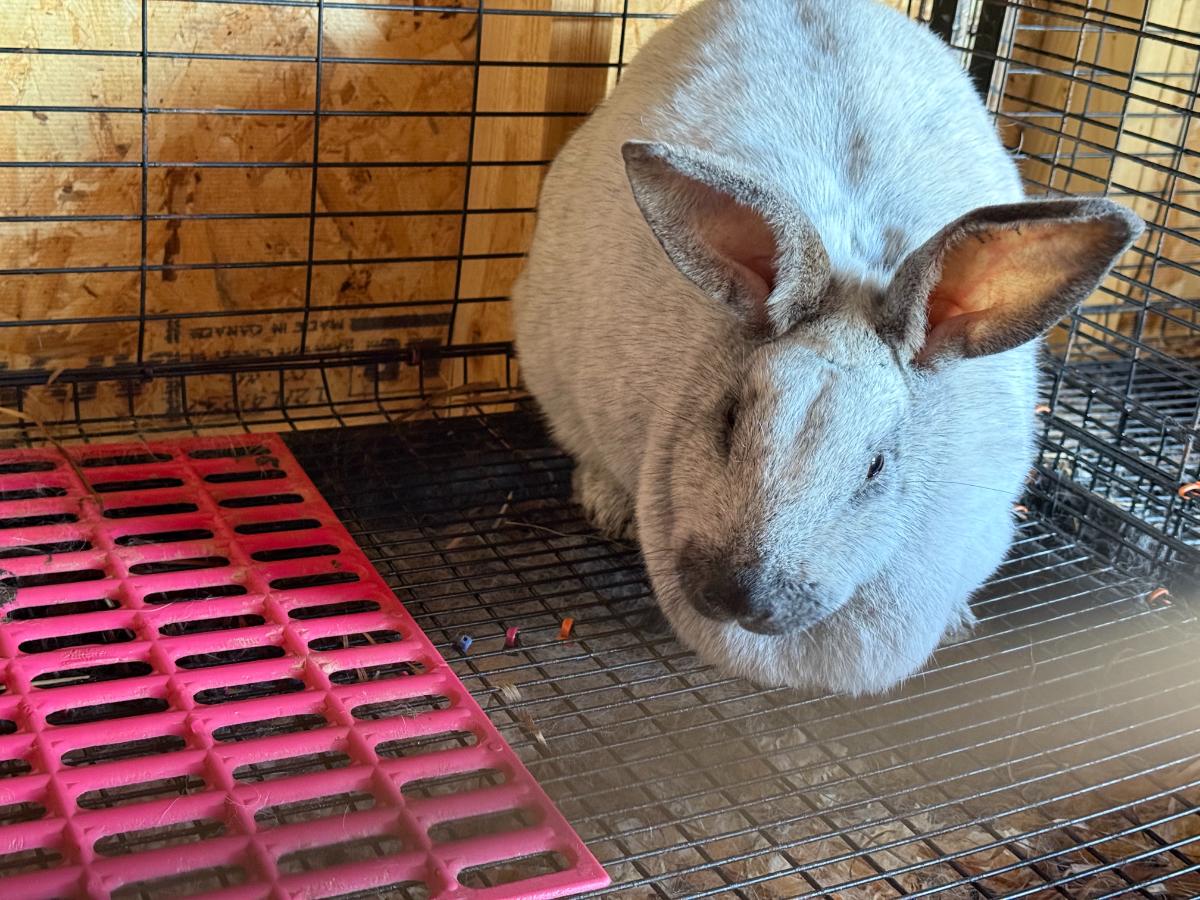
The placement of the box in the cage may be a problem for your doe.
All rabbits have a place where they do most of their bathrooming. If your box is in this space, this may be why the doe views it more as a litter box or interference than a burrow. The doe will usually take pains to keep the burrow and the nest clean, but that’s hard to do if it is blocking the area where she keeps her waste.
- Avoid placing nest boxes in the doe’s preferred poop corner
- If it’s there, try moving it
- If you’re not sure, try a different corner anyway.
Check Often On and Around Kindling Day If You Don’t Trust Her to Use the Nest Box
If you are unsure or untrusting that the doe will use the nest box for delivery, pack the cage as mentioned above, just as a precaution.
Then, check your doe regularly on the likely delivery day(s). That way, if the kits are born on the wire or outside the box, at least you have a chance to get to them to assist as needed.
It is also a good idea to use a baby monitor with a video to keep an eye on the cage so that you can easily check and intervene if you need to.
Reduce Perceived Predation or Stressors
As prey animals, meat rabbit does will go to [sometimes extreme] measures to hide or protect their kits. If they are nervous or stressed, such as by dogs, animals, mice, rats, or other threats, they may avoid using the nest box as a way to hide or disguise their litter.
Urinating or messing in a nest box can be a sign of this because the does will pee on the kits to cover their smell and make them harder for predators to find.
Especially if urinating or defecating in the box is happening, consider the possibility of rodents or predators, and then do what you can to correct that.
Keep in mind that even unusual loud noises or new or abrupt activity can be a cause of this.
After Kindling
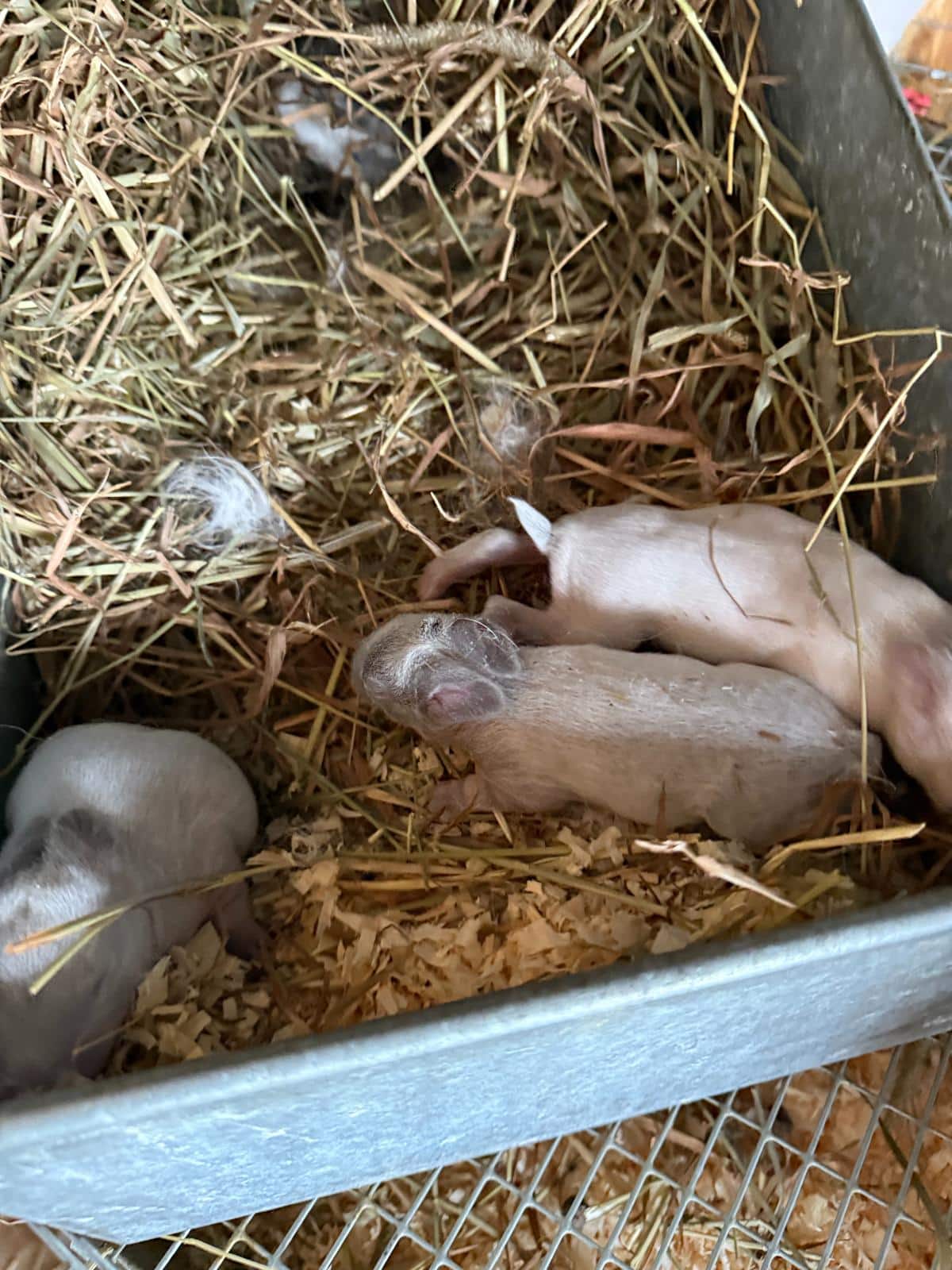
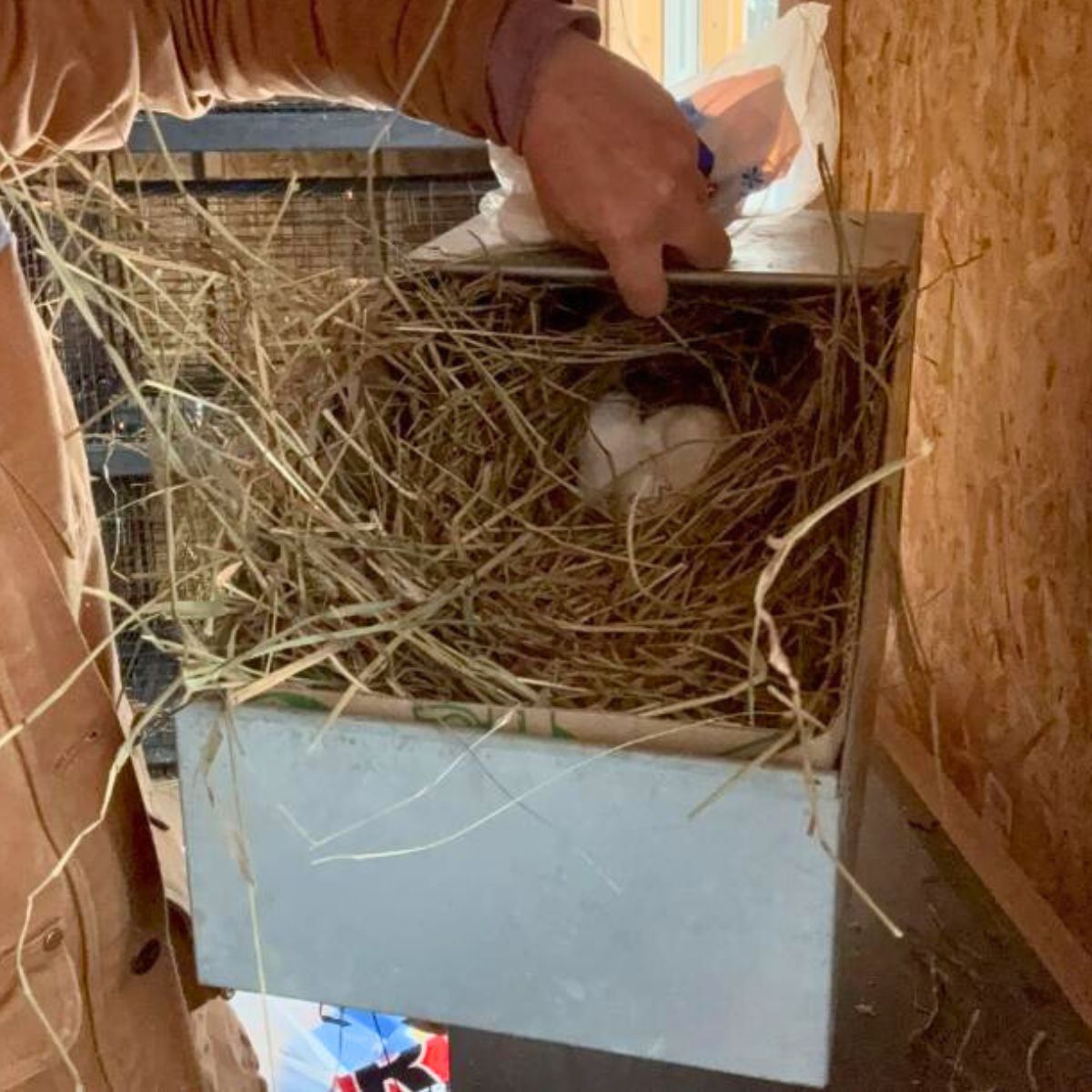
If the doe just does not use the box, even if she builds a nest and delivers in it outside the box, move the nest into the box after she kindles. Once the kits are in the box, the doe will almost always accept them and take care of the kits in the box.
If she didn’t build a nest anywhere, put the kits in the box. If there is no fur, pull it from her underside to line the box or use something else, like pulled cotton balls, wool, or dryer lint. Place this on top of the kits. Then, cover the lined nest with hay for added warmth.
If You Have Continued Kindling and Nesting Problems
If problems with a particular doe persist after you’ve done all you can to correct her behavior, you may need to consider culling and replacing that doe.
Good mothering is important in a doe. And that means a mother who can not only deliver, but also successfully care for and rear her young. If a failure to nest properly results in lost kits, and this goes on in future litters, this is a reason to replace a doe with one that will hopefully be a better mother.
Most meat rabbit breeders operate under a “three strikes and you’re out” rule. If you have three or more failures to use a nest box, especially after you try other sizes or styles, then it is probably time to put your efforts into a better doe.
This can be a hard decision, especially if you really like a doe or have a lot of time or money invested in her, but in the long run, it is the right decision. There is no point in putting valuable time and money into a doe that ultimately does not produce well for you. And by “produce”, that means the doe has sizable litters that grow to at least harvest age.
Further Reading and Resources
- MeatRabbits.org – How and When to Put a Nest Box
- Amazon – Raising Meat Rabbits by Eric Rapp
- KW Cages – Rabbit Nest Boxes 101
- All Things Bunnies – Metal Rabbit Nest Boxes
- RabbitTalk Forum – “Doe Won’t Nest in the Nest Box” Discussion
- Mad Hatter Micro Farm – When Your Rabbit Won’t Use a Nest Box
- B-H Rabbitry – Nest Box Information

Leave a Reply