
A single breeding-age buck is all that a backyard or homestead meat rabbit breeder really needs. While you may choose to keep more than one buck for other reasons, you don’t need to.
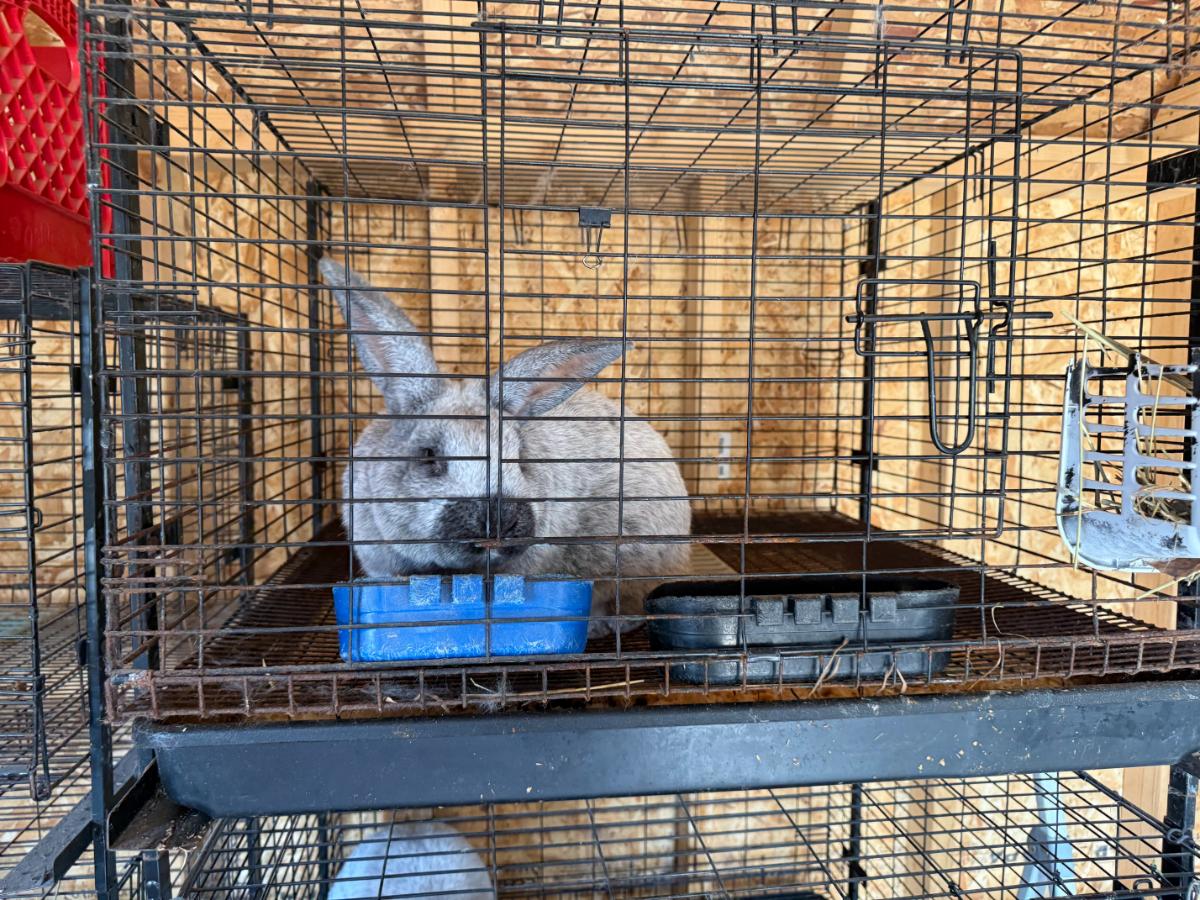
Even if you are breeding a moderately sized rabbitry, one buck can service several does.
However, there is a limit to how many times you want that buck to breed in a given day. This ensures that he remains energetic enough for the job and potent enough to produce sizable litters.
Different sources have slight variations on these numbers, but they all agree on one thing: one meat rabbit buck can easily cover many does.
Jump to:
- How many herd does can one meat rabbit buck service? (Number of does per buck)
- How many does can a buck breed in one day?
- How many days should you wait between breedings?
- VIDEO: How Often is Too Often to Breed a Meat Rabbit Buck?
- Things to Consider When Deciding How Often to Breed Your Meat Rabbit Buck
- References and Resources for Further Reading on Meat Rabbit Breeding Bucks
How many herd does can one meat rabbit buck service? (Number of does per buck)
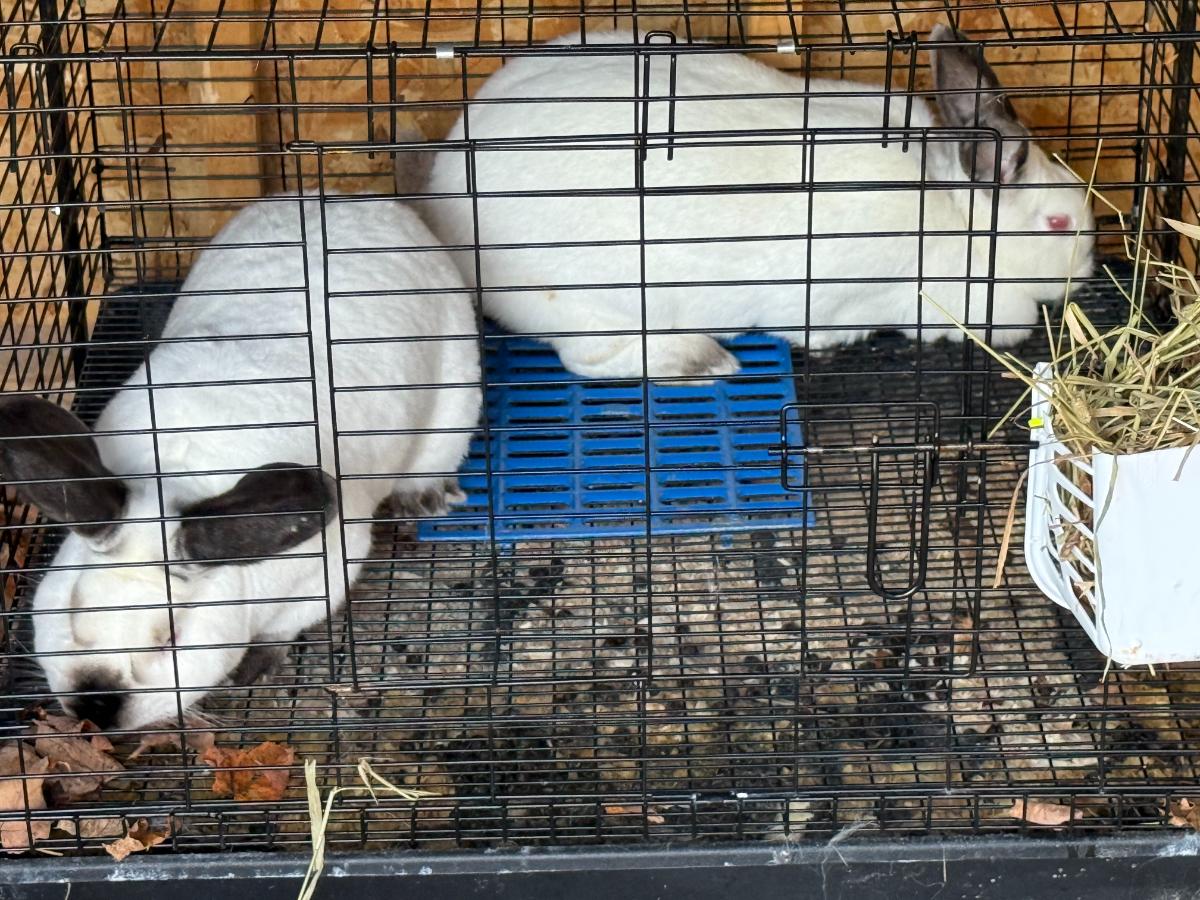
Michigan University advises the following:
For a homestead or backyard rabbitry:
- 1 buck to 2 does or
- 1 buck to 5 does
These numbers seem somewhat arbitrary, but the likely reason they list them this way is that a trio is a good, solid, productive breeding program that is not too large for a family. But the same buck can easily service five does.
For larger and/or commercial rabbitries:
If you’re interested in keeping meat rabbits on a larger scale, most larger rabbitries maintain
- 1 buck for every 10 to 15 does
Why the difference in range between backyard and commercial rabbitries?
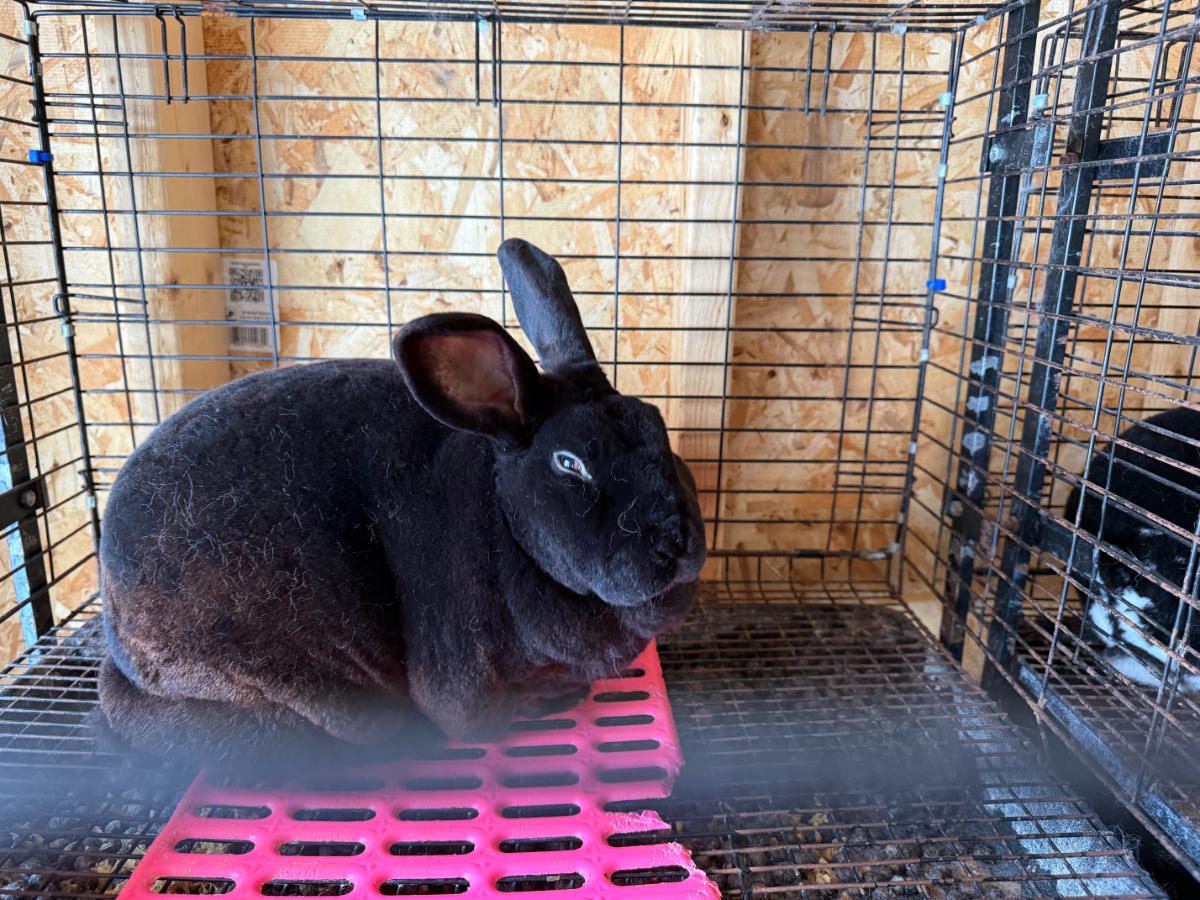
In summary, note that one good buck can service up to 15 breeding does, and this is what a large, commercial rabbitry might expect from their bucks.
It is not that a smaller rabbitry’s buck cannot service as many as a commercial rabbitry. It is simply a reflection of the number of rabbits a homestead or backyard meat rabbit raiser is likely to keep. Also, to a degree, it reflects the management style of the operation.
Larger and commercial rabbitries are also more likely to keep younger bucks that are retired earlier. They are more likely to replace their bucks more regularly than you might be interested in doing as a smaller operation.
Also, large rabbitries will follow along these lines but will still have several serviceable bucks in most cases. With more does to service, they maintain a mix of lines and genetic qualities.
On a smaller scale, keeping bucks more in the bracket of one buck to three to five does builds in better genetic diversity, more opportunities for line breeding and selection, and coverage in the event something happens to a breeder.
This may mean keeping more than one buck for a smaller number of breeding does, but it gives the smaller rabbitry backup and good options for pairings and replacements without having to replace breeders too frequently.
How many does can a buck breed in one day?
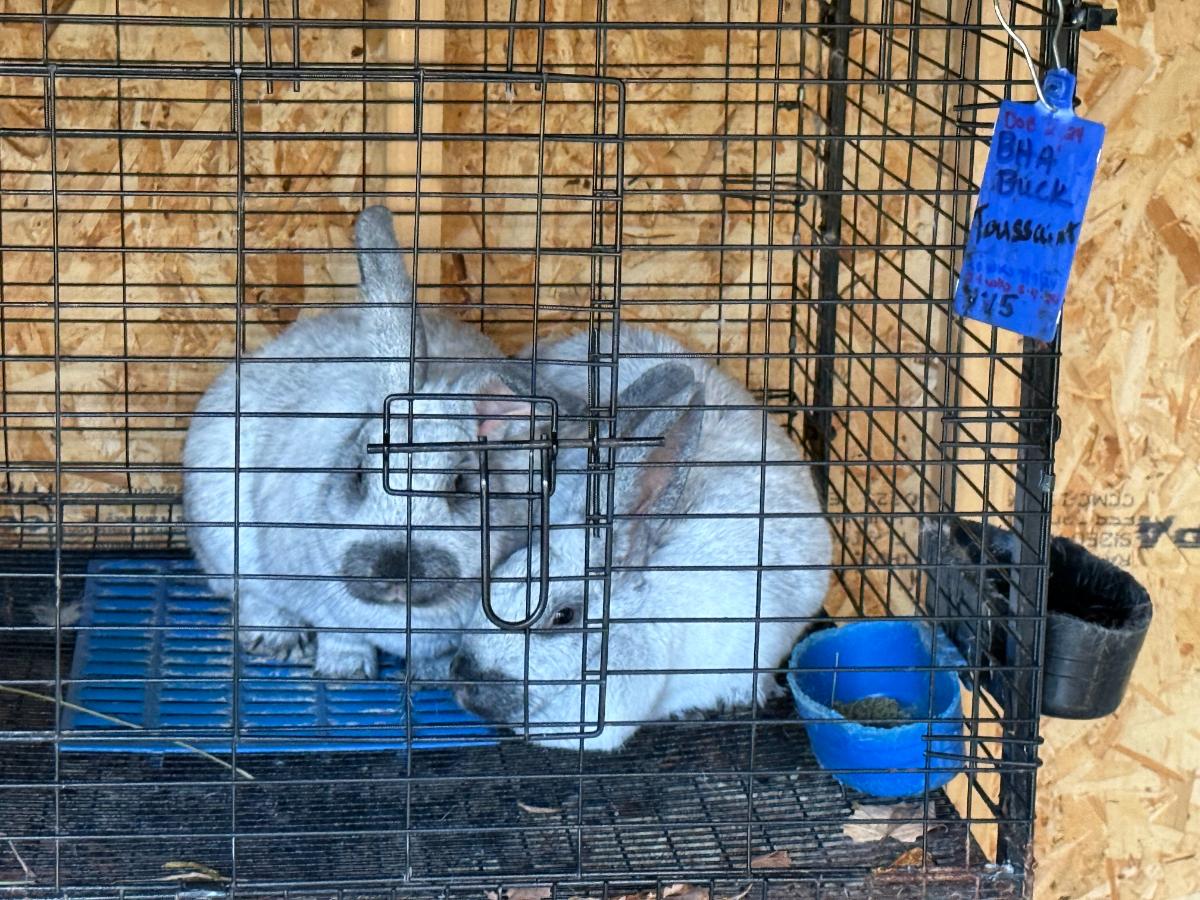
How many bucks you own is only part of the equation. The other part is how much work (breeding) you expect them to do in a given day.
Bucks are animals who, like any other animal, only have a limited resource of material to work with in a given day. Then, the buck needs time to rebuild and replenish that resource so it can mate again another day.
The management key is not to breed the same buck too many times in one day.
The following are recommendations for how often you can breed a meat rabbit buck in a day or in a week (based primarily on recommendations from Utah State University):
- Young bucks (6 to 12 months old): one (1) doe per day
- 4 to 6 does in a week
- Mature bucks: two does per day*
- *If bucks are breeding more than one doe on consecutive days, they should be allowed to rest for three days or more between breeding sessions
The biggest reason to breed multiple does to the same buck on the same day is so that you have options for fostering kits to other does if something goes wrong, or if you have a particularly large litter. This is a generally recommended practice, though in practice it has its limitations.
If you are breeding more than one doe for this purpose or for the sake of simplifying management for you, one healthy buck will be up to the task. A second option that maintains these benefits is to breed one doe one day and the second doe the next day.
A buck’s fertility will rebound quickly as long as you don’t push the envelope too far.
How many days should you wait between breedings?
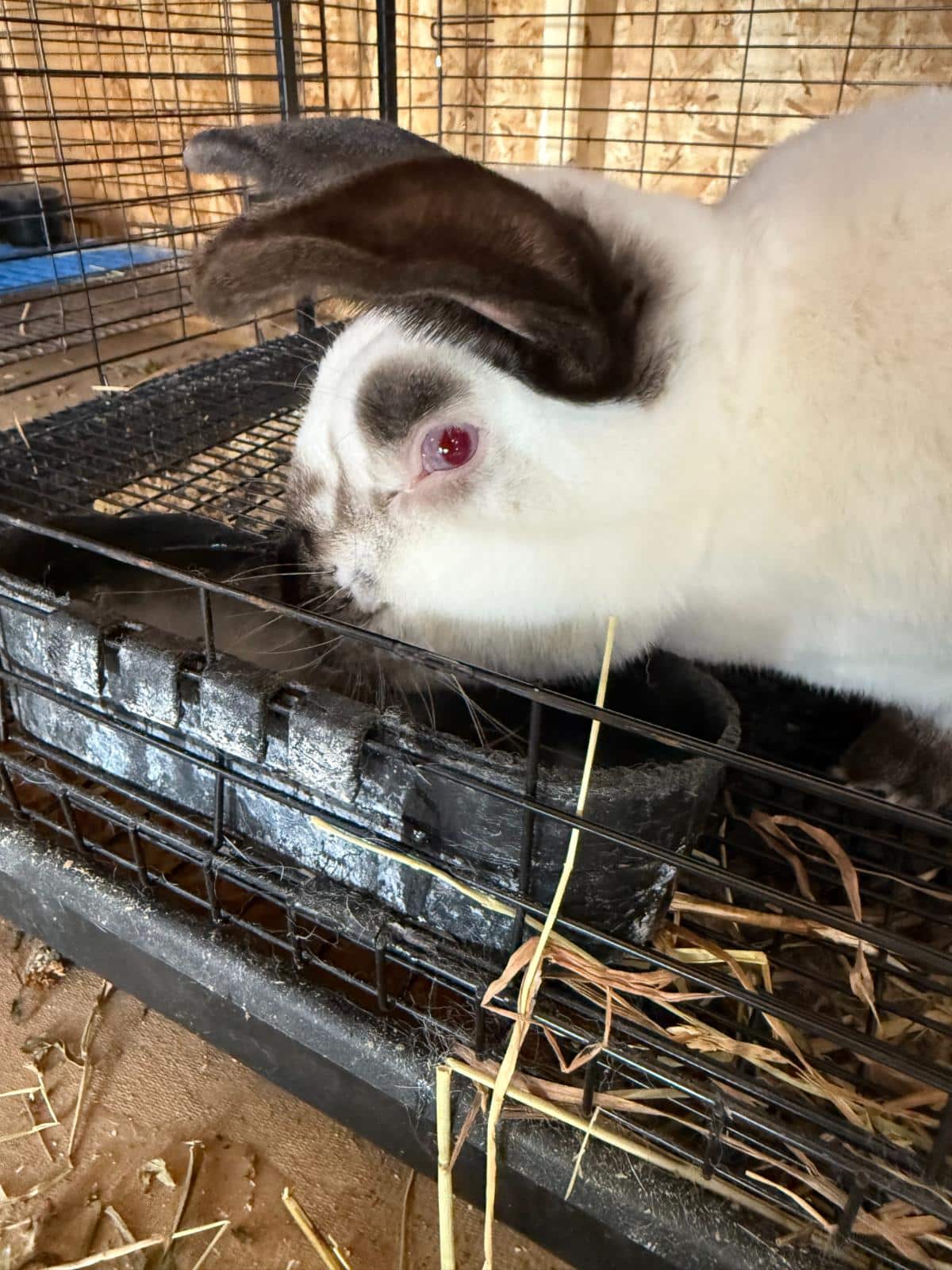
How long you should wait between breedings with the same buck depends on how many does you are breeding and how often you are breeding your buck.
Utah State’s recommendation on this is
- For young bucks (6 to 10 months old), wait 3 to 4 days between breedings
- Older mature bucks can breed one doe per day
- For mature bucks breeding more than one doe in a day, give a day of rest between breedings
- A breeding schedule of one doe per day or two does every other day is reasonable and should result in good fertility, good litter sizes, and reliable production
There are two main reasons to manage how many does and how often your bucks are breeding:
- Fertility and sperm count
- Buck exhaustion
A single buck can only be expected to have a reasonable level of fertility in a given day. Since we typically look for three fall-offs per doe per breeding session, if we are breeding more than one doe in a day, the buck is depleting his reserves up to six or more times.
If you expose your does a second time later in the day (as is common practice as insurance to raise the odds of a successful breeding), then the buck could be tasked with more like nine to twelve expulsions. Granted, he has had hours in between to rebuild, but there will come a point of diminishing returns.
The other matter to consider is the physical act of breeding and the energy and toll it takes on your buck. Breeding is like a sprint for meat rabbits. Just the act of breeding, even when there are no fall-offs, is an act of physical exertion.
Bucks in a smaller backyard breeding program may not be tasked with this exertion with a lot of regularity. So we do need to be reasonable about how much physical activity we ask them to suddenly take on in a day when it may only be asked of them once every one to three months. This is something to be especially aware of in the summer when temperatures are high, and heat stress is a factor.
Take note of how many does you bred in a day and in what order. If you see that the second doe is consistently having smaller litters or not becoming pregnant, then you should consider that the breeding schedule may be too much for your buck.
Consider modifying the schedule. If the buck is very old, consider replacing him.
VIDEO: How Often is Too Often to Breed a Meat Rabbit Buck?
Things to Consider When Deciding How Often to Breed Your Meat Rabbit Buck
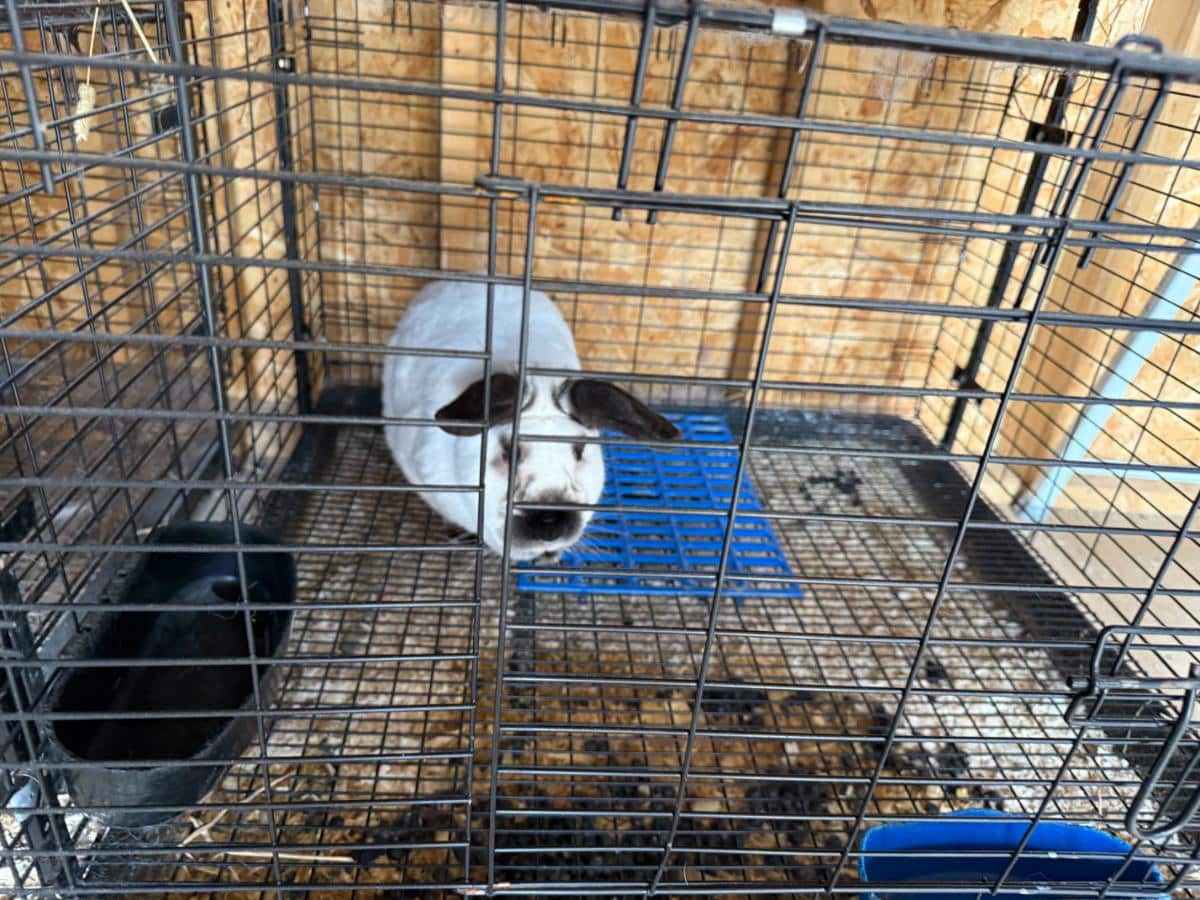
- If you use the same buck on more than one doe in a day, the second or subsequent doe may have a smaller litter due to lower sperm count.
- You can breed two does in two days (doe A on day one, doe B on day two) and still have two does bred at the same time for purposes of fostering if you only have one buck.
- That said, breeding two does in one day should not be an issue for a mature, potent buck.
- Weather -- is it hot outside? Space out breeding so you don’t overtax your buck in hot weather.
- Has the buck been heat-stressed recently? More frequent breeding when temperatures cool down again can help get your buck back fighting fit and potent. The best way to reverse heat sterility and increase virility is to “clean the pipes," so to speak.
- Are your litter sizes decreasing? This may be from a buck that is mated too frequently or too many times in one day.
- Litter size may decrease as your buck gets older, too. This can be a sign that it is time to replace your herd buck.
- An older buck may physically have a harder time breeding many does in a day, so you might consider mixing in his replacement for some of the workload. Or, replace him entirely (but if you still want to capture some of his genetics, you can overlap).
- It’s wise to start planning for a replacement buck as your herd buck starts to age, so that you don’t end up with a gap in breeding your does. Have someone coming up in reserve once your buck caps two years old.
- You can hold back does from litters and just replace the buck, which will give you new blood and genetics and is much cheaper than buying replacements for your does.
- If you have strong genetics and great traits in your herd buck, selecting great specimens from among his offspring and line breeding is a perfectly acceptable option.
- If you re-expose does 12 hours later, keep in mind this is more sperm spent by the male and should count as a breeding, so that the next doe is not paired with a spent male as he recovers.
References and Resources for Further Reading on Meat Rabbit Breeding Bucks
- Utah State University Extension. Basic Rabbit Selection and Breeding Considerations
- Michigan State University Extension. Rabbit Tracks: Breeding Techniques and Management.
- Teal Stone Homestead. Part One: Breeding Rabbits + Telling a Buck from a Doe.
- Mother Earth News. The Guide to Raising and Breeding Rabbits for Meat.
- Rise and Shine Rabbitry. Breeding Schedules.
- Homestead Rabbits. Breeding Meat Rabbits: From Pairing to Fryers.


Leave a Reply