
Willow is a highly useful plant material to use with meat rabbits. If you have willow in your yard, or if you plant a tree, it is also a highly available and abundant source of forage for your meat rabbits, as well as one you can buy affordably.

Willow can be used as a supplement in the diet, as a treat and boredom buster, as a pain killer, or as part of a foraged feed program. It lends several different nutritional benefits and has uses for rabbits during an illness.
Jump to:
- Do Rabbits Like Willow?
- Is All Willow Safe for Rabbits?
- Benefits of Feeding or Using Willow for Rabbits
- VIDEO: The Benefits and Uses of Willow for Meat Rabbits
- Should Willow be Fed Fresh or Dried?
- What Forms of Willow Can You Feed to Rabbits?
- Where Can You Buy or Obtain Willow for Meat Rabbits?
- Growing Your Own Willow Supply for Your Meat Rabbits
- Harvesting Willow for Use in the Off-Season (winter)
- Introduce New Fresh Feeds Gradually
- Reading and More Resources on Feeding Willow to Meat Rabbits
Do Rabbits Like Willow?
Yes! Rabbits generally love willow sticks, twigs, branches, parts, and pieces. It is a favorite food and treat for rabbits. So much so that sales of willow preparations and willow products are widely available for meat rabbits (all rabbits, really).
They especially love the younger, more tender shoots as these taste less bitter. Some may not blink an eye at those older, more bitter shoots, either.
Rabbit raisers who have fed willow report that their rabbits love it and eat it readily. It is a favorite food, at least in the top ten, and perhaps rivaled only by apple wood twigs.
Is All Willow Safe for Rabbits?

There are a hundred or more species of willow, from shrub-like bushes to tall trees. Poplar is a relative of willow, in the same family. It is a pioneer species of tree that many people have, who may not have willow (but willow is also extremely easy to grow).
As near as anyone has reported, all types of willow and poplar are safe to feed to meat rabbits. There are no reports of a toxic willow type or of willows that cause abnormal problems when fed properly.
Benefits of Feeding or Using Willow for Rabbits
Willow is useful as a feed, as a supplement, or as a natural medicinal veterinary product/home remedy. There are several other benefits and uses of willow for meat rabbits. This makes it an economical and highly useful food and first aid product in the rabbitry.
Willow as a foraged feed
As a feed source, willow offers two important dietary components:
- Protein
- Fiber
Willow ranges in protein level, but is comparable to alfalfa and other hay grasses. Willow’s protein percentage is estimated to be between 14 and 16% according to Boyd Craven Jr, author of Beyond the Pellet: Feeding Rabbits Naturally. Some sources list the protein even higher (probably owing a lot to the difference between protein in the sticks versus the leaves).
Willow is quite high in fiber, having a crude fiber content of 28 to 36%. However, the calcium level is a modest 1.74%, so it does not create urinary issues as some high calcium feeds can.
One farm recommends feeding up to four feet’s worth of branches (or the equivalent of) per day. Of course, you can make this a part of your forage and feed less, too. If you feed pellets, you also would not need to feed that much.
Willow as a pain reliever

Willow naturally contains salicin. This is basically natural aspirin. It has been used as a pain reliever by indigenous peoples for as long as anyone knows.
Willow is a safe pain reliever for rabbits, and there are not a lot of options when it comes to rabbit pain relief. This is especially true of pain relief without a prescription.
The salicin level is higher in older branches, so this is something to keep in mind if you are foraging for medicinal veterinary purposes. However, the older, salicin-rich branches are also very bitter tasting, so your rabbits may or may not like them.
For a rabbit in pain or with inflammation, if they will not eat the larger, more bitter branches, feed them something younger, even if it might contain less natural salicin. It’s better that they eat the willow and get the benefits of it as a natural remedy, even if it is a lower amount, than to get none at all.
Willow as an anti-inflammatory
The same salicin that provides pain relief in willow acts as an anti-inflammatory, too.
This can be useful for rabbits that are experiencing inflammation of any kind.
Use it for swelling, inflammation caused by injury, and especially inflammatory illnesses or conditions, such as respiratory issues or inflammation caused by parasites.
Willow as a potential parasite control
This, of course, does not appear to be very well studied (very few things with rabbits are), but there is some evidence to suggest that willow acts as a natural dewormer and possibly a natural coccidiostat (naturally controlling the coccidia that cause coccidiosis).
It does make sense that there are dewormers and antiparasitics out in nature. How else have animals survived without our chemical concoctions for these many millennia?
At any rate, evidence suggests willow is one of them, and if you’re using it for other things, this could be a nice additional advantage.
Willow as chews and boredom busters

Willow sticks and twigs make great chews (with all the added benefits mentioned above). They can be given at any time.
Willow twig and stick products keep meat rabbits occupied, which can reduce problematic behaviors such as chewing on cages, wires, bowls, and feeders, or running and circling cages out of boredom.
In a group cage, chews like willow and apple sticks can keep rabbits from picking on each other (although if this is an issue, you’ll want to keep a close eye on the rabbits and consider separating grow outs into their own cages).
You can cut or make your own willow chews for your meat rabbits, or you can buy them at feed stores, pet stores, or online. They are a very popular product amongst the pet rabbit community, but they are equally beneficial for meat rabbits.
VIDEO: The Benefits and Uses of Willow for Meat Rabbits
Should Willow be Fed Fresh or Dried?
Willow can be fed or used for feed, supplements, treatments, chews, and toys in any form, either fresh or dried.
Rabbits love the green leaves on fresh willow (and appreciate them dried, too). If your rabbits are not used to green, fresh forage, limit the amount you feed as fresh until they are.
What Forms of Willow Can You Feed to Rabbits?
All parts of the willow plant or tree are edible for rabbits. This includes the roots (though you probably don’t want to dig and feed your roots, since that will kill at least part of your plant). New growth shoots, stems, bark, branches, and leaves are all edible, too.
The most common parts of willow that are fed to meat rabbits include:
- “Whips”, which are the shoots that grow straight up from the roots of the plants in a bush-type shrub variety (also called rods)
- Branches, with or without leaves
- Willow wood or willow bark tea
- Dried sticks
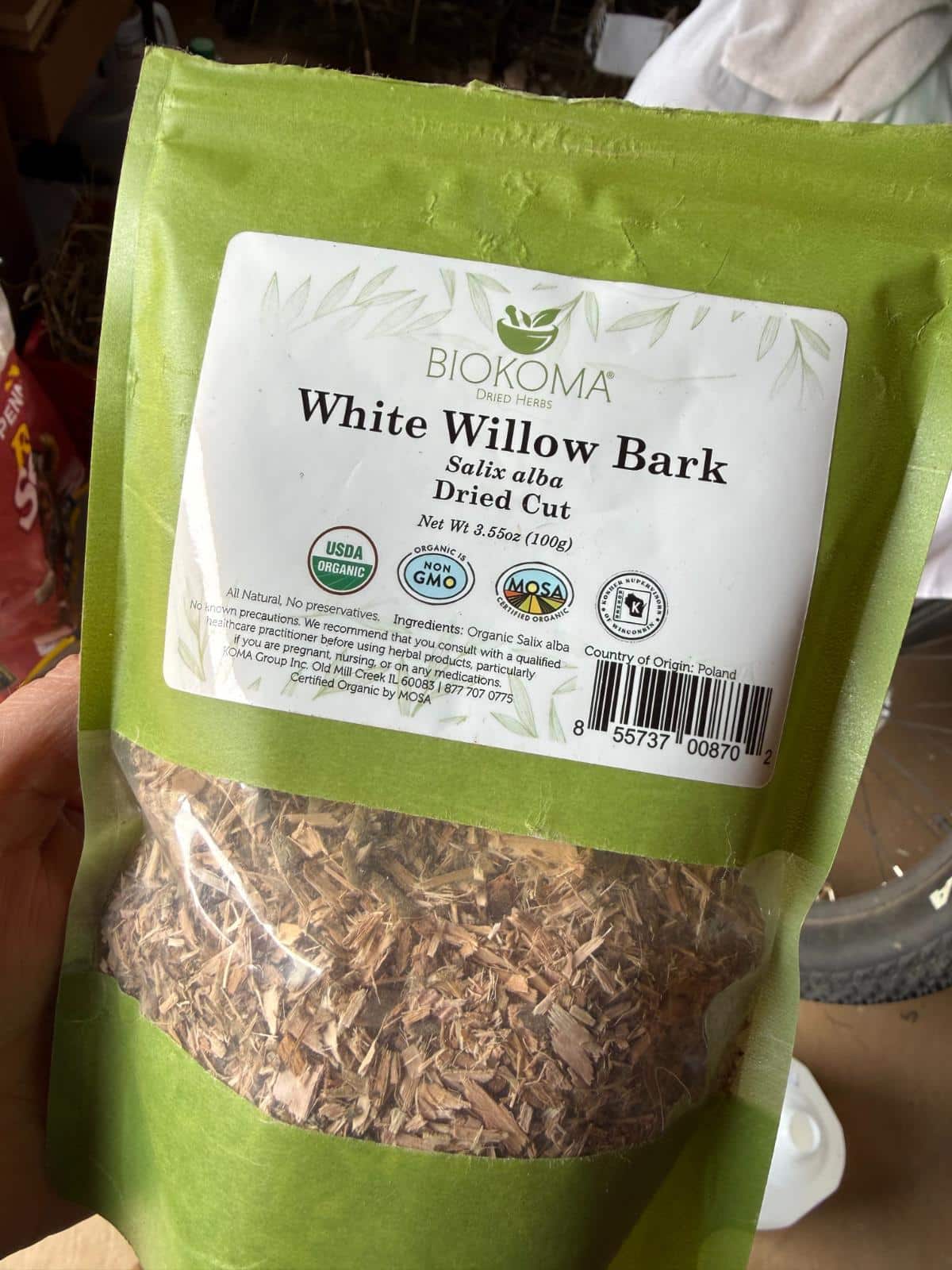
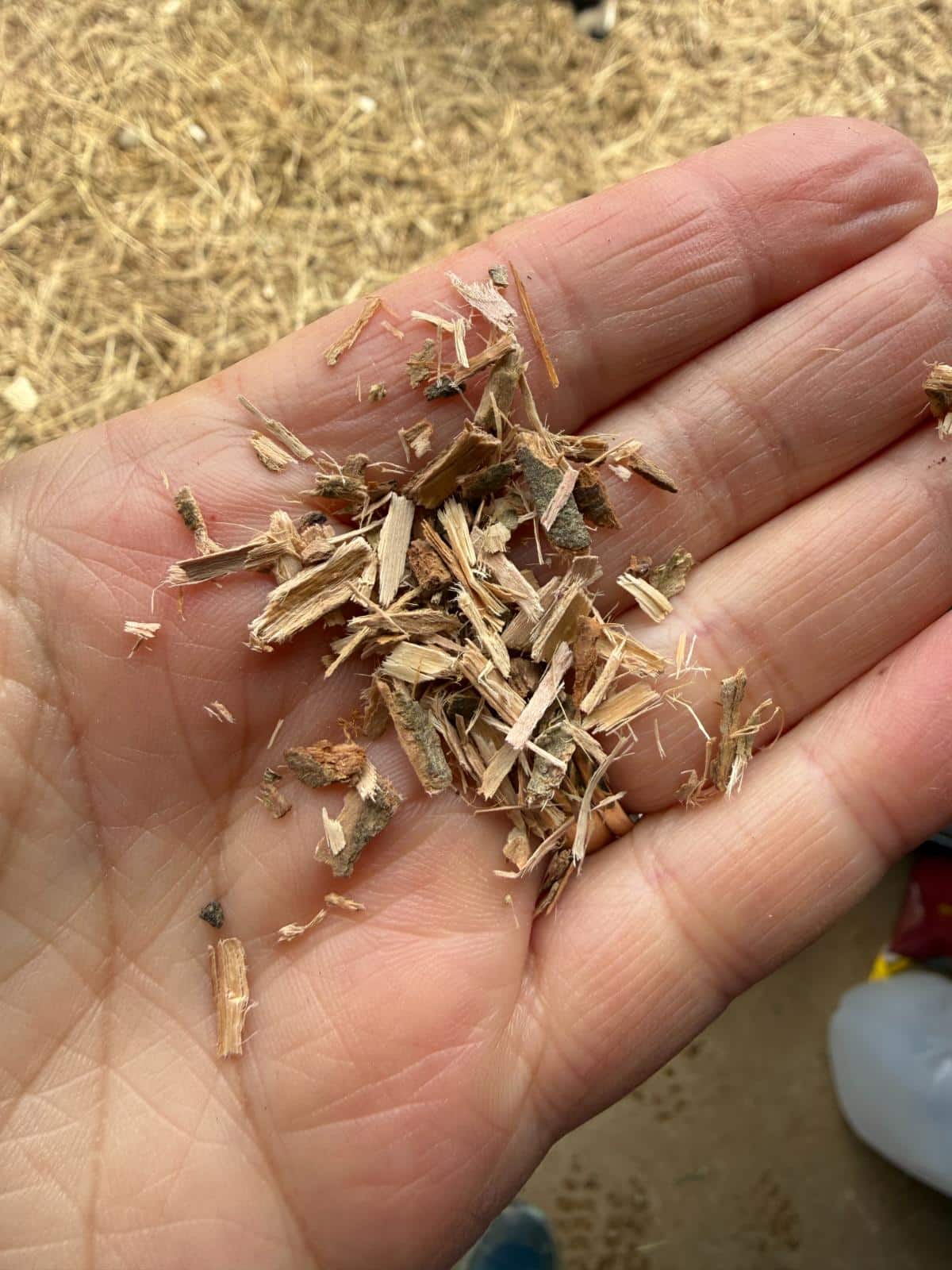
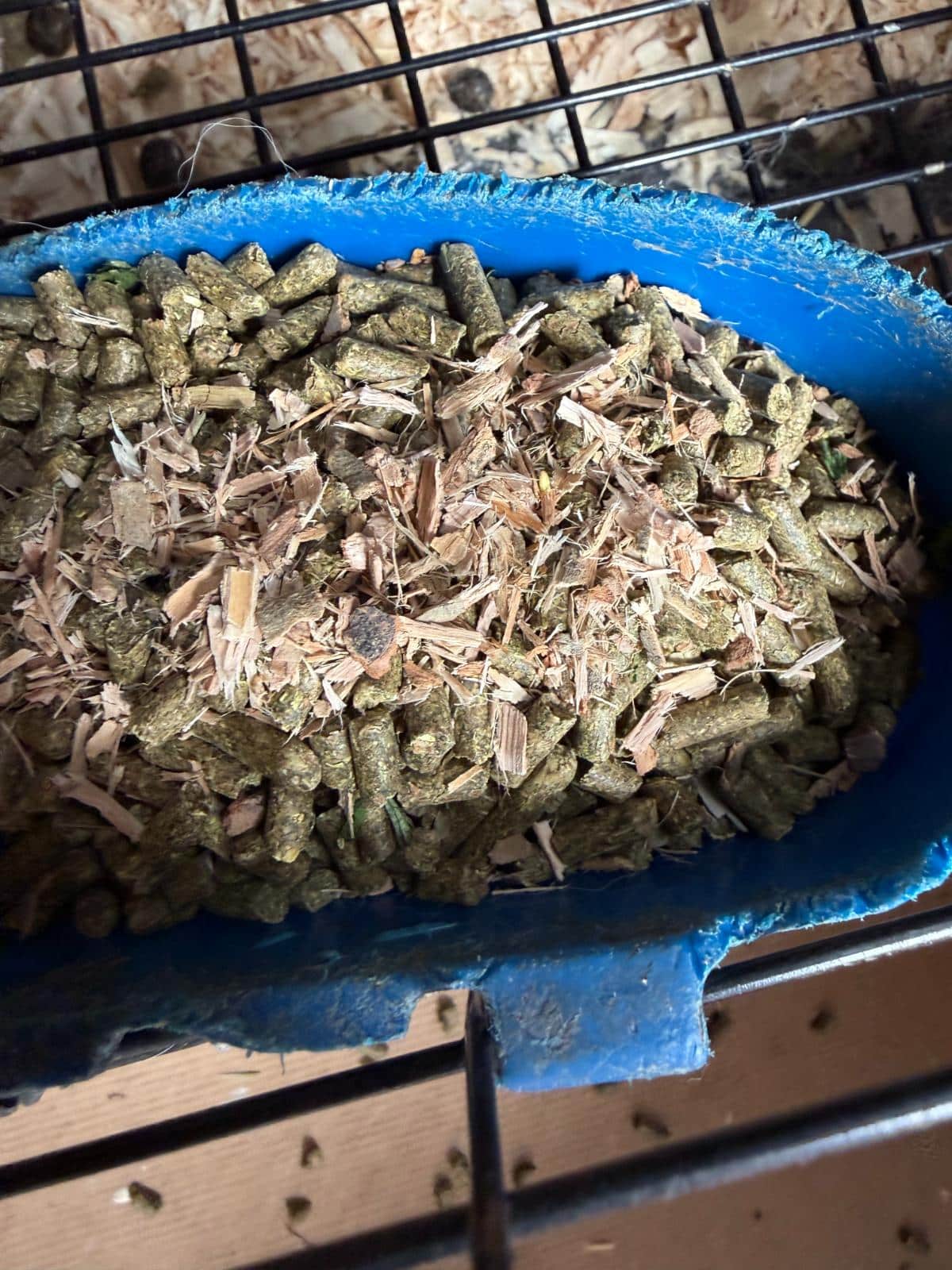
Willow leaves and bark pieces can be dried to sprinkle over feed in dishes. Dried willow leaves and bark can also be steeped in hot water, cooled, and fed as a “tea”.
Tea can be a good way to deliver willow and its medicinal benefits to a rabbit that may be reluctant to eat. You can also use a syringe or dropper to give willow tea orally to a sick rabbit.
Where Can You Buy or Obtain Willow for Meat Rabbits?
If you have a willow tree or willow shrubs on your property, you can simply harvest from them for your meat rabbits. The hanging branches and leaves are what you would use.
The only problem with feeding willow tree branches is that they are often too high to reach easily.
And, not all of us have willow available. Some other options for getting hold of willow to feed to your meat rabbits include:
- Forage for willow parts, branches, or twigs
- Buy online -- twigs, toys, and chews
- Buy online -- dried herbals
- Plant a tree
- Plant a willow patch
Growing Your Own Willow Supply for Your Meat Rabbits
Willow is easy to grow. It is fast-growing, too. Even the trees, as large as they grow, grow quite quickly.
Willows like moist soil, so find a spot that gets plenty of water. If you have a wet area in your yard, that’s a perfect place for a willow -- they get the water they need, and you get the water sopped up.
Willow trees are lovely and fill in a landscape nicely in a short time. However, they are tall trees, and when they get full-grown, they can be hard to reach for harvesting.
A more manageable choice if you want willow specifically for ongoing feed for your meat rabbits is to grow a variety of shrub willow. They are a bit harder to find, but there are farm, plant, and tree catalogs that carry them. Fedco Trees of Maine is one. There are a number of others if you do an online search. Also, check in local nurseries, landscape, and garden centers near you.
If you want to buy willow cuttings, you will have to purchase them in winter or early spring. Cuttings are harvested when the plants are dormant, so there is a somewhat limited window each year. Potted shrubs, trees, and bare root trees are available for a longer period, but they will still only be available from spring to fall.

If you know someone with a willow tree or shrubby willows, ask them if you can have or buy some cuttings! Dormant cuttings are ideal, but even later in the season, if you can get them and keep them wet in their soil, they should root!
To plant cuttings, you literally sink them in the ground and keep them watered as they root. It sounds too easy, but that really is it. Willow is its own natural rooting hormone. In fact, it’s used as a rooting hormone for other plants and cuttings.
You may also find bare-root trees and shrubs. They basically need a hole and water.
The one thing to be aware of is that willow roots will seek out moisture. So if you plant them near plumbing or pipes, including water lines, wells, sewer pipes, or irrigation pipes, they will gravitate towards them, and then they can cause some serious problems. Keep willow trees and bushes away from important water infrastructure.
Harvesting Willow for Use in the Off-Season (winter)
Dried willow is just as useful as fresh, so for feed, forage, or natural remedies in the off-season, just dry it!
Drying willow is simple. Sticks and rods can be thrown in a pile in a good place in your barn.
Branches and stems with leaves on can be bundled, tied, and hung up to dry. You can leave them drying in place and use them as needed.
Introduce New Fresh Feeds Gradually
As with any green or fresh forage, green willow leaves should be fed in small amounts at first. Introduce the new feed gradually, and then build up if you plan to use it as a food source.
For example, if you plan to feed a four-foot section per day, as Long Creek Farm talks about, you would not want to throw four feet of fresh willow and leaves in a cage with a rabbit that has never had it before. Start with a six-inch piece. See how that is tolerated, then slowly give more over a period of a couple of weeks.
This allows the rabbit’s digestive system to build the gut flora and microbes into its hind gut to handle the new, fresh feed.
This goes for anything fresh and new you introduce to your rabbits!
Reading and More Resources on Feeding Willow to Meat Rabbits
- Rise and Shine Rabbitry. Naturally Feeding Rabbits.
- CreateSpace Independent Publishing Platform. Beyond the Pellet: Feeding Rabbits Naturally. Boyd Craven Jr. & Rick Worden, 2013.
- YouTube – West Meadow Rabbits. Planting Willows For Meat Rabbit Fodder.
- Homestead Rabbits. Raise Meat Rabbits: Quick Start Guide.
- Farmers Guardian. Benefits of Feeding Willow to Livestock.
- Long Creek Farm. Willow For Rabbits.
- Habitat‑Talk.com. Shrub Willow.
- PubMed. Willow Species and Aspirin: Different Mechanism of Actions.
- WebMD. Willow Bark – Uses, Side Effects, and More.
- Binky Bunny Forums. Weeping Willow.
- Rabbit Talk. Report on Willow and Poplar.
- Fedco Seeds. Fedco Seeds.
Leave a Reply