
Many people would consider the Standard Rex meat rabbit to be the ultimate dual-purpose meat rabbit for both meat and fur. This is owing to the rabbit’s unique fur structure and lovely, soft, velvety coat.

There are probably others who would put either a New Zealand or an Argente breed (especially the Champagne d’Argent) above the Rex for dual-purpose meat and fur bearing in deference to better meat carcass qualities. To be sure, all of these are excellent options, too, but the Standard Rex truly shines as a fur-bearing animal that also grows good meat.
They are called the “King of Rabbits” because of their royal, velvety coats and the fact that the local French abbott, when first laying eyes on the rabbit, declared it the King’s rabbit (which is where the “Rex” name comes from).
Jump to:
- Vital Statistics for Standard Rex Meat Rabbits:
- About the Standard Rex Meat Rabbit Breed
- Noteworthy Benefits of Standard Rex Meat Rabbits:
- Downsides to the Standard Rex Meat Rabbit
- Consult the ARBA Standard of Perfection or the Standard of your Governing Body for Specifics for Show Animals
- References and Further Recommended Reading:
Vital Statistics for Standard Rex Meat Rabbits:
| Adult Size Doe: | 8 to 10 ½ lbs; ideal 9 lbs |
| Adult Size Buck: | 7 ½ to 9 ½ lbs; ideal 8 lbs |
| Temperament: | Quiet, docile, somewhat reserved, can be somewhat prone to spooking |
| Age of Maturity for Breeding: | 5 to 6 months |
| Productivity: | Fair |
| Mothering Instincts: | Excellent |
| Average Litter Size: | 6 to 10 kits |
| Growth Rate: | Moderate; slower than larger breeds |
| Bone to Meat Ratio: | Medium |
| Other Notes of Interest: | Top dual-purpose fur and meat breed |
About the Standard Rex Meat Rabbit Breed
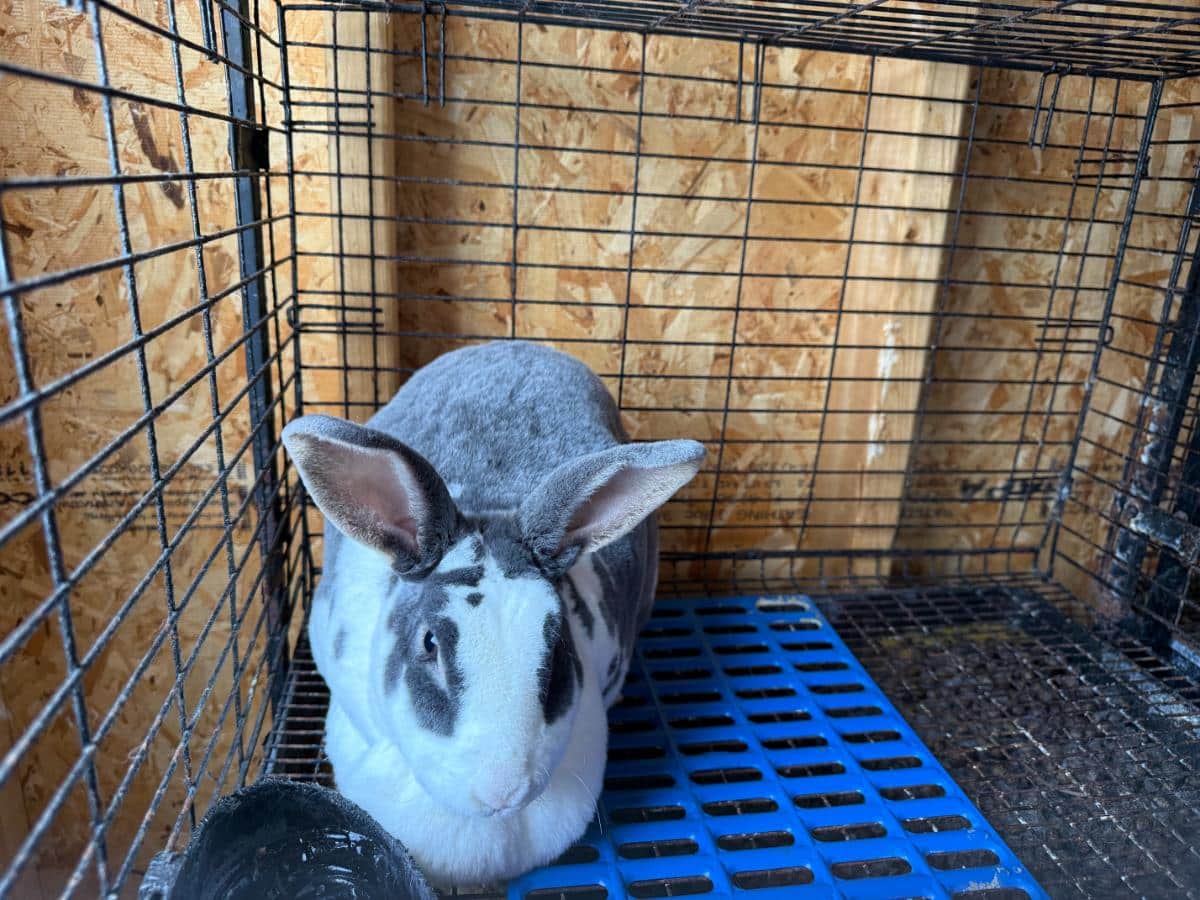
The standard rex rabbit was developed in the early 1900’s. The first time it was shown was in 1924 in Paris. It was introduced in the United States the same year.
The biggest claim to fame for the rex rabbit is its fur. A mutation in the fur of wild rabbits was captured and developed into the thick, velvet coat that is the coat of the rex rabbits today. The rabbits lack the longer guard hairs of other meat rabbit breeds, which is why they have a short, consistent coat of thick, velvety hair.
Rex are on the smaller size of the medium-sized breeds (those considered commercial or meat breeds). They top out at around nine to nine and a half pounds as senior rabbits, and less for junior rabbits. Ten and a half pounds is the very top of the weight for rexes, but that is for mature adult breeding does.
Grow-out weights correspond accordingly, meaning that rex grow-outs are not likely to hit the five-pound live weight as early on as breeds like the New Zealand, Champagne, and Californians do. If harvesting by age, such as at 16 weeks, rex grow-outs would not be expected to reach as high a live weight as those faster-growing, larger breeds.
That said, standard-size rex rabbits make a good meat rabbit, and if you are also interested in quality fur bearers, they can balance out the smaller or slower growth.
Also, some progress can be made by choosing well-sized, quality breeding stock and selecting for the best grow-out rates and weights.
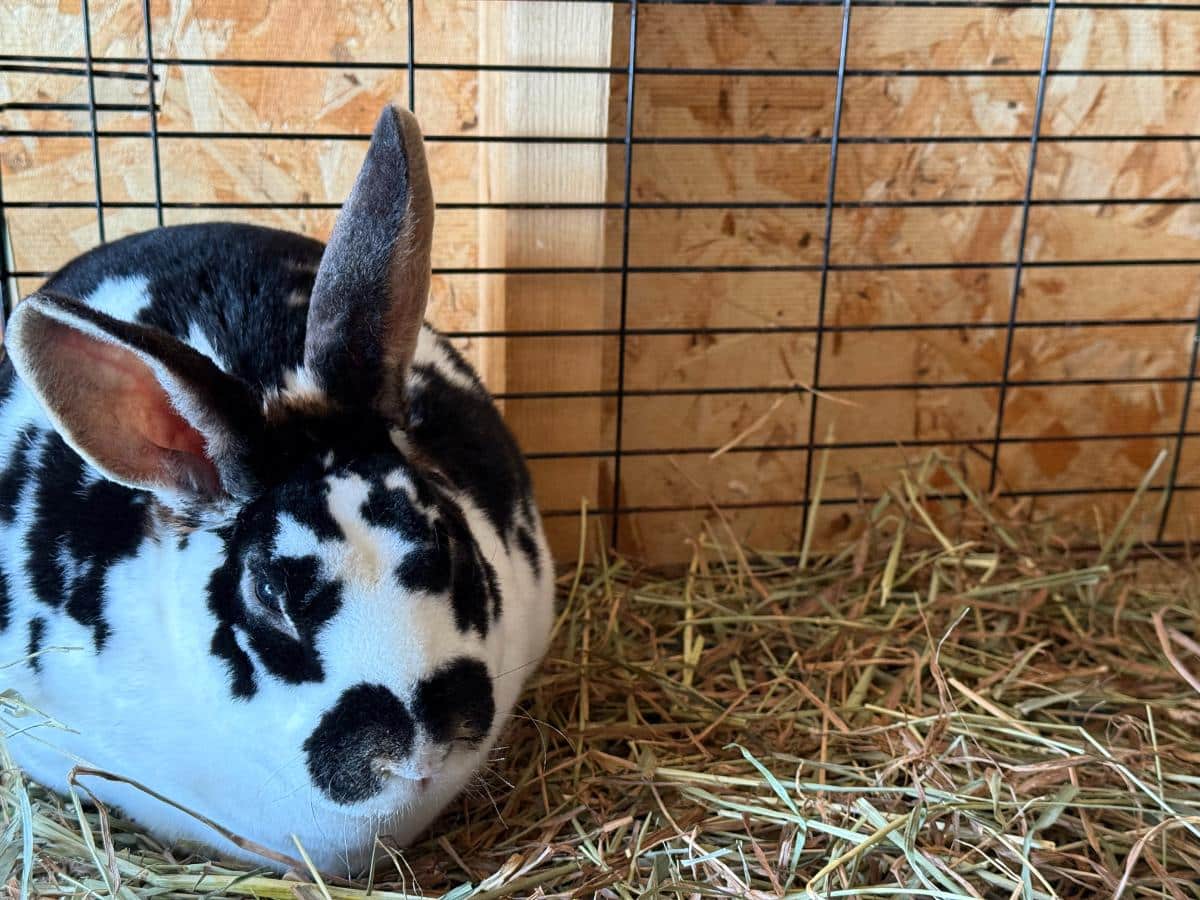
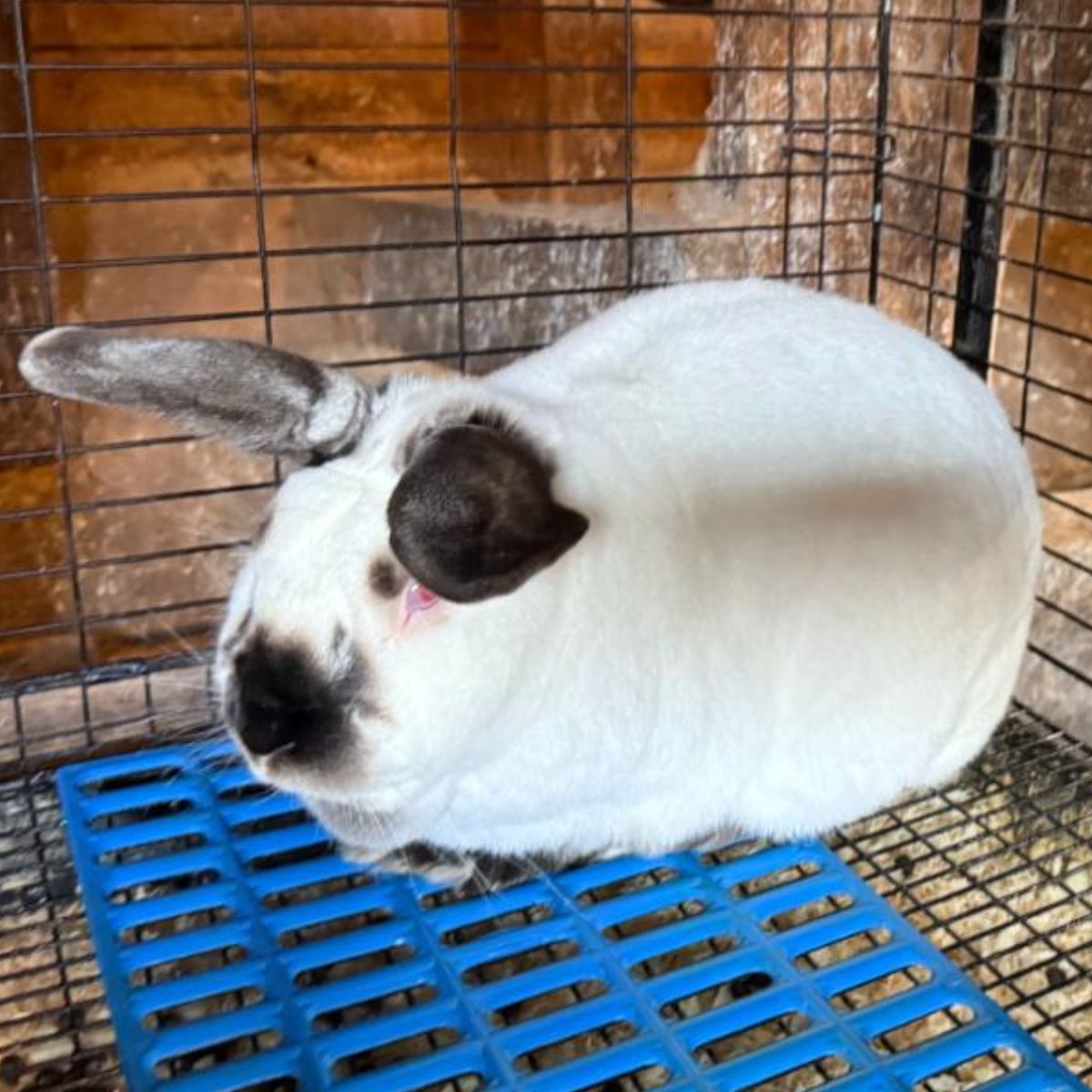
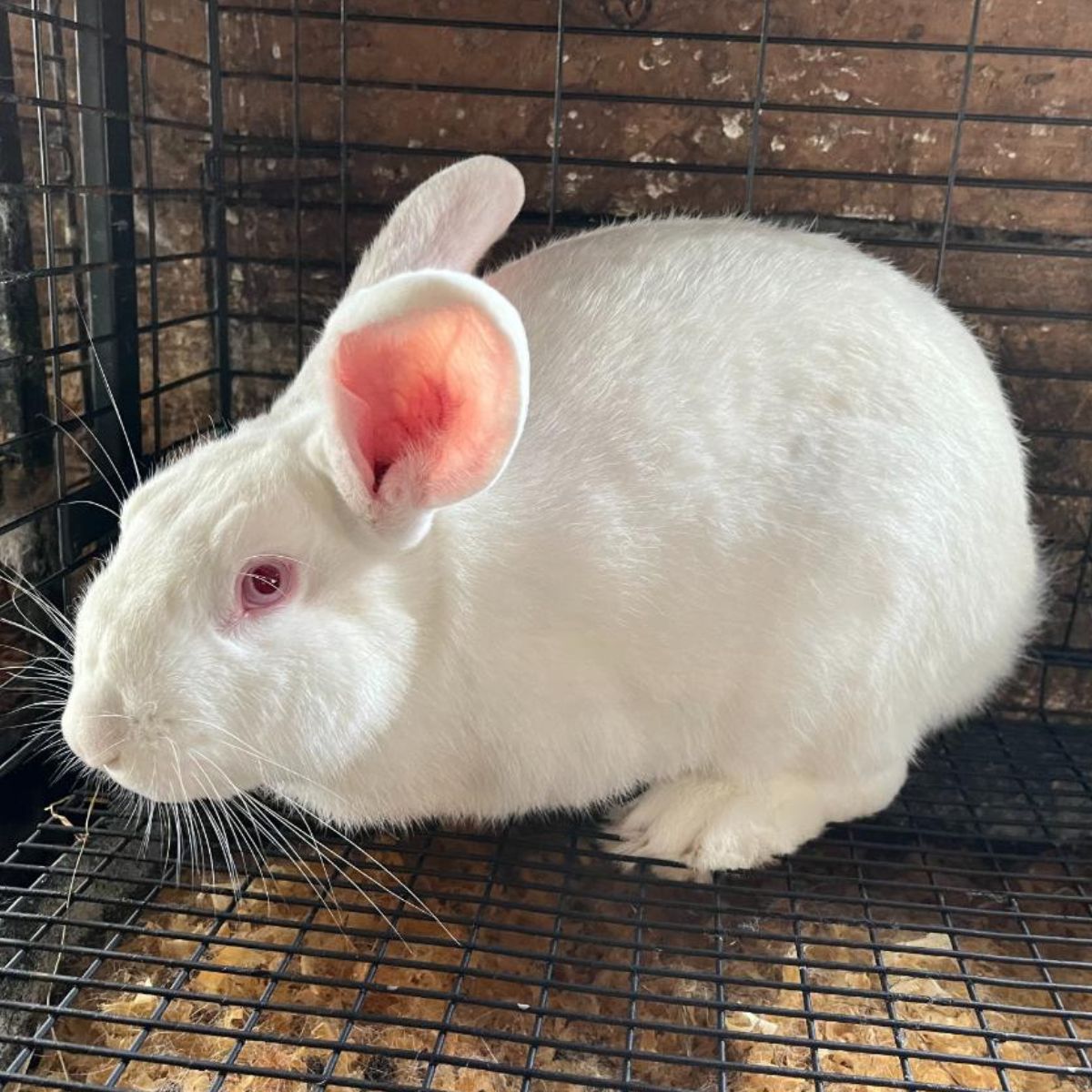
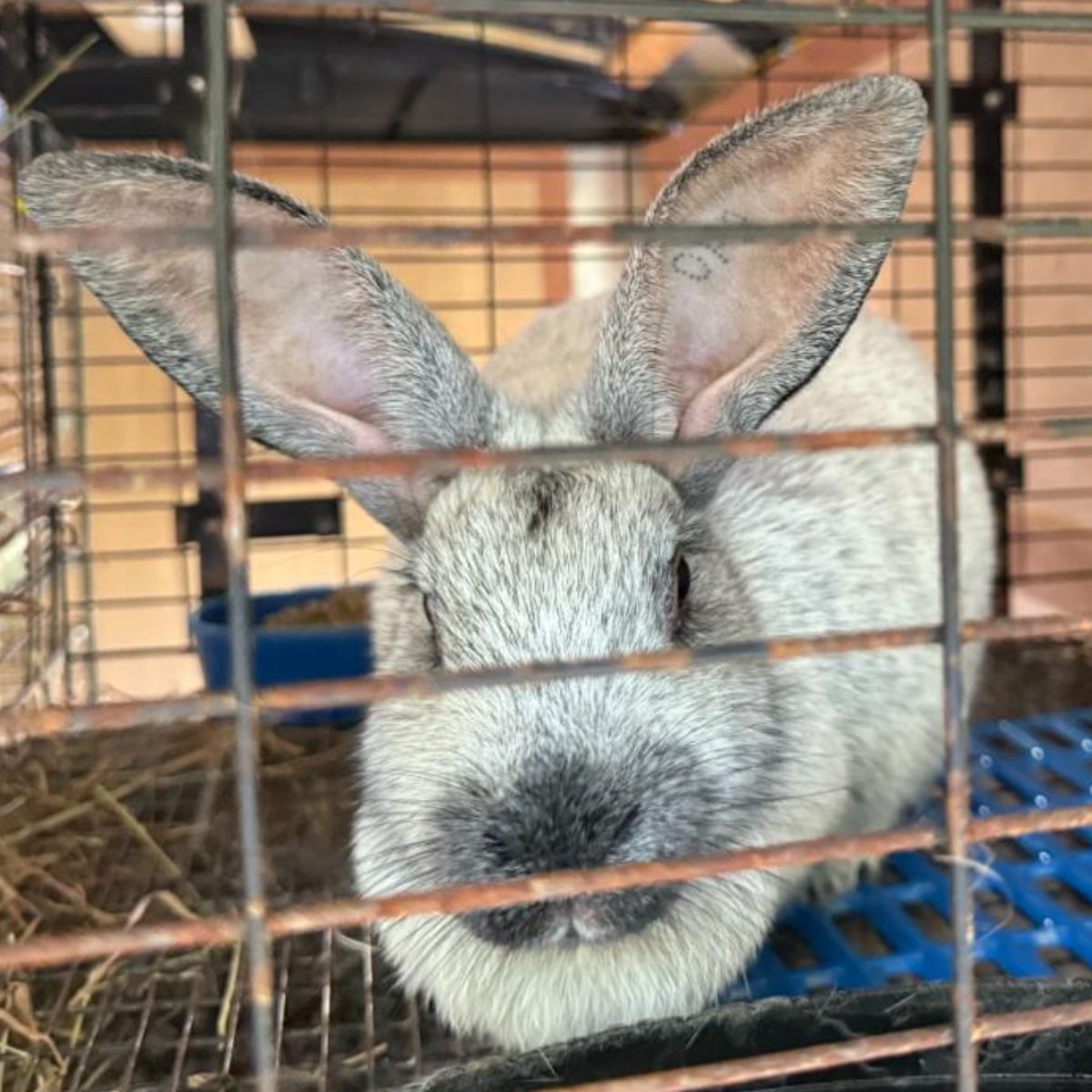
There are 16 color varieties that are recognized as showable by the American Rabbit Breeders Association (ARBA). Other color varieties exist, but are a disqualification for showing. (This does not mean that large, quality body types of the “wrong” colors can’t make great meat and fur rabbits!)
Be aware of mini rex rabbits
One thing to note is that there is also a mini breed of rex rabbits. These are fine rabbits for a pet or show purpose, and can even be nice fur-bearing animals, but because of their size, they are not ideal as meat rabbits. (Mini rexes top out at under five pounds at an ideal weight of 4 ½ pounds.)
The thing to be aware of with rex rabbits is lines that have had mini rex mixed into them. Unlike crosses with other rabbits, it can be hard to tell if there have been mini rexes in the lineage, but this can certainly impact the size and growth rates of rex rabbits.
This is a reason to ask more questions and be more vigilant about ages and weights when you invest in standard rex rabbit breeding stock.
Noteworthy Benefits of Standard Rex Meat Rabbits:
- Popular breed
- Easier to find breeding stock (due to popularity) than more obscure breeds
- Velvet-like fur ideal for tanning
- Soft, low-lofted fur
- A variety of colors makes for interesting rabbits and also unique patterns and colors for tanning
- The popularity of hides for tanning and crafting opens more markets
- Good mothers
- Good-sized litters
Downsides to the Standard Rex Meat Rabbit
- Predisposition for sore hocks
- Smaller breed with smaller meat yield
- There is a mini rex rabbit breed, too, and these are sometimes mixed up in the meat lines, which results in smaller, substandard rexes and slower grow-out rates
- Slower growth rates compared to larger meat breeds
- Not all colors are recognized by ARBA for showing, so if showing is important, know what the recognized colors are and choose breeders accordingly
Consult the ARBA Standard of Perfection or the Standard of your Governing Body for Specifics for Show Animals

Note that this website primarily focuses on backyard meat rabbits and homestead-type meat production on a small to large scale. For that reason, the focus in breed descriptions leans more towards production goals for the small to medium producer. Very little focus is on breeding for show.
These breed guides will serve as a good introduction to the breed, but for more specifics about the details and nuances you should be looking for in a show rabbit, we urge you to consult the American Rabbit Breeders Association Standard of Perfection or the guides provided by your local authority on meat rabbit breeds and standards acceptable for showing.
References and Further Recommended Reading:
- Storey’s Guide to Raising Rabbits: Breeds, Care, Housing (5th Edition). Bob Bennett. Storey Publishing, 2018.
- Raising Rabbits for Meat. Eric Rapp & Callene Rapp. New Society Publishers, 2018.
- Standard of Perfection 2025–2030. American Rabbit Breeders Association. American Rabbit Breeders Association, 2025.
- Meat Rabbits. How I Chose My Meat Rabbit Breeds: What Breeds I Chose and Why.
- Meat Rabbits. Sourcing Meat Rabbits: Where Can You Buy Meat Rabbits?
- Meat Rabbits. Breeds (Category).
- American Rabbit Breeders Association. Rex.
- Mink Hollow. Rex Standard.
- HobbyFarms. Rex Rabbits: Luxurious Fur and Charming Pets in Demand.
- Wikipedia. Rex rabbit.
- National Rex Rabbit Club. Rex Varieties.
- Acorn Creek Farmstead. Standard Rex Rabbits.
- The Red Barn Farm of Warner. About.
Leave a Reply