
Dandelion is a safe and free-foraging food that can be fed to your meat rabbits. It is a natural part of the wild rabbit diet, and one that can easily be incorporated as a supplement, a treat, a component of a foraged feed diet, or as an herbal home remedy for a variety of rabbit illnesses.
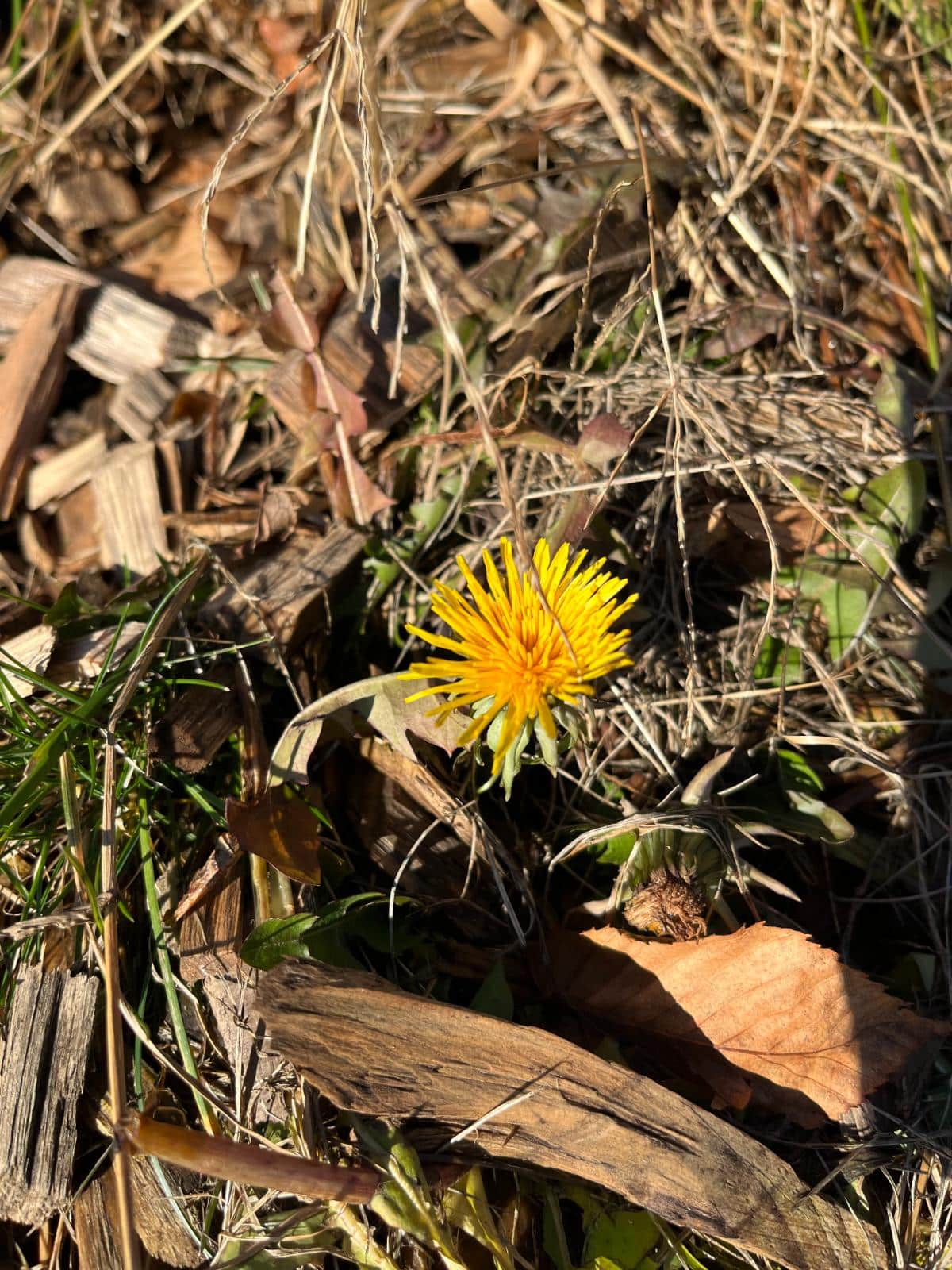
We often take dandelions for granted, both in our own human diets and in the diets of our rabbits and other animals. But the fact is that dandelions have a lot of nutrition to offer, and many beneficial properties and illness-fighting abilities, too.
Jump to:
- Beneficial Properties of Dandelion for Meat Rabbits
- Dandelion as Foraged Feed
- Dandelion as Immune Support for Meat Rabbits
- Dandelion as a Home Remedy for Illnesses and Other Conditions
- What Parts of the Dandelion Plant Can Meat Rabbits Eat?
- Different Ways to Feed or Administer Dandelion to Meat Rabbits
- How Much Dandelion Can You Feed to Meat Rabbits
- Dandelions in Transport
- Foraging and Storing Dandelions for the Off-Season
- Resources and More Reading on Dandelions for Meat Rabbits and Their Uses
Beneficial Properties of Dandelion for Meat Rabbits
- Source of dietary fiber
- High in essential vitamins and minerals, including vitamins C, A, E, K, selenium, and many others
- Source of electrolytes (from magnesium, sodium, potassium)
- High in calcium
- High in protein (estimates are between about 16 and 20%)
- Anti-inflammatory
- Mild painkiller
- Antioxidant
- Liver cleansing
- Multiple organ support
- Diuretic
- Digestive support
- Antibacterial
- Antimicrobial
- Antiviral
- Anti tumor
- Supports blood circulation
- Muscle gain and growth enhancement
- Improves feed conversion ratios for meat production
- Supports probiotic and beneficial bacteria in the gut
Dandelion as Foraged Feed
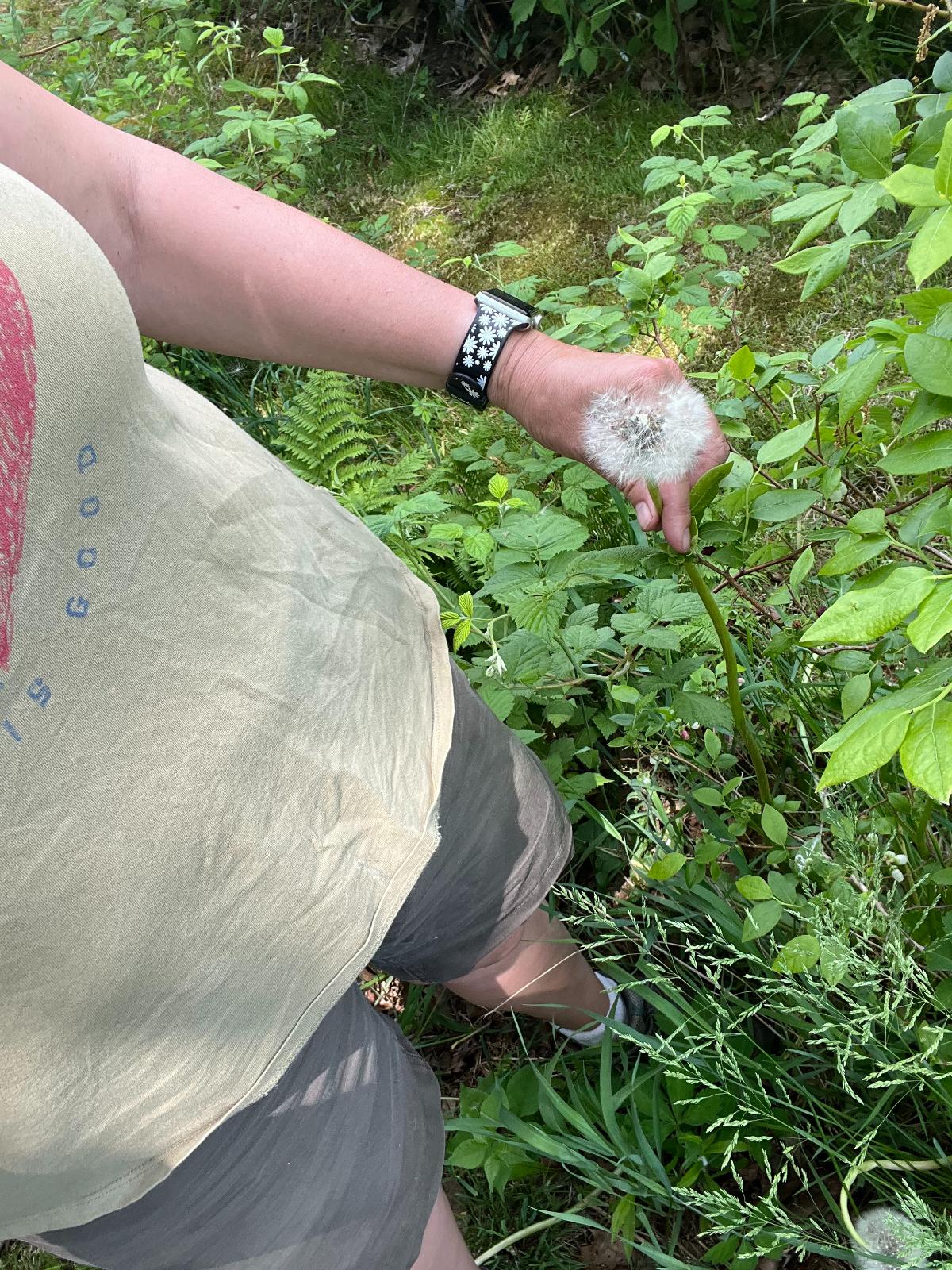
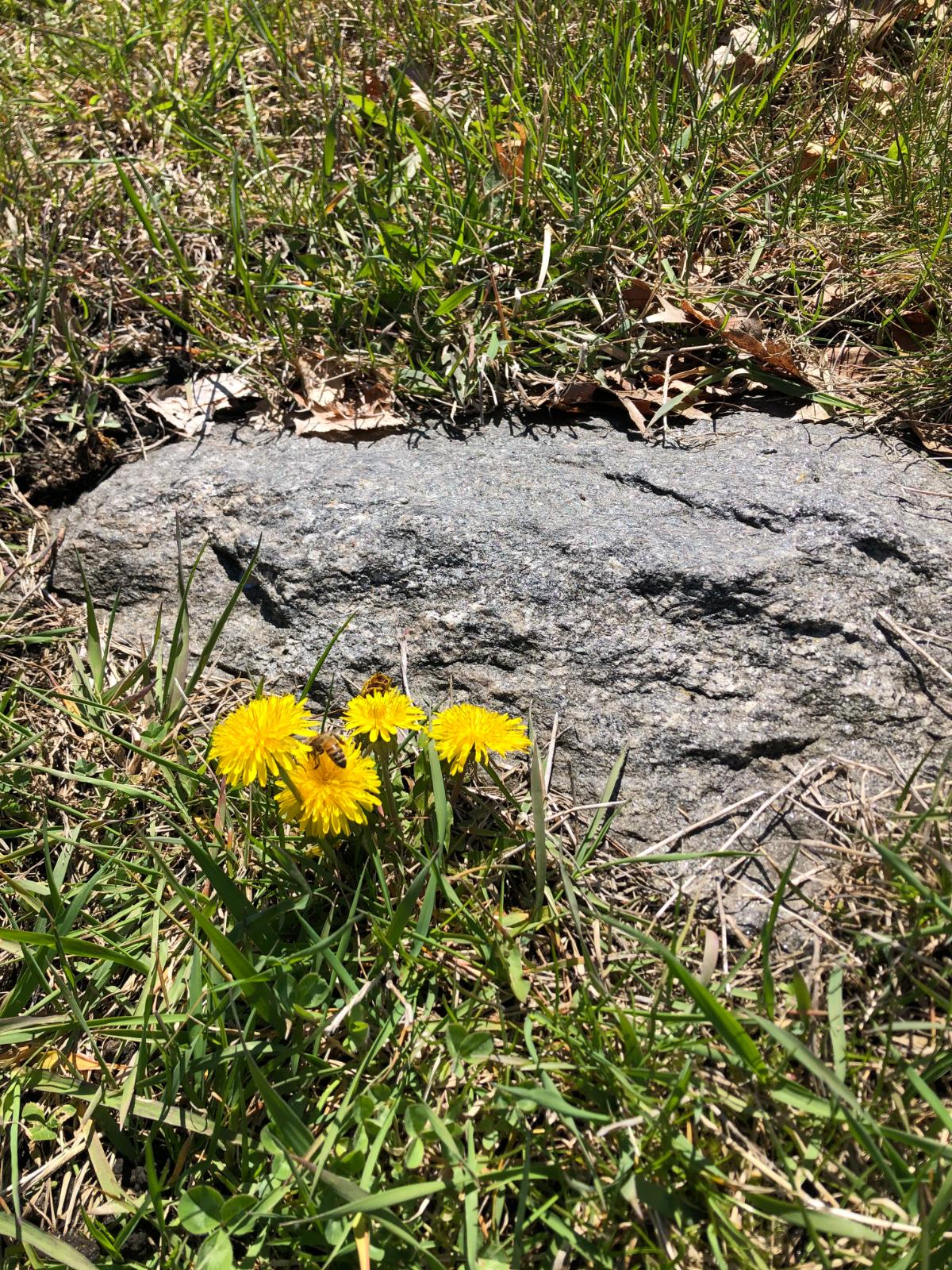
Dandelion is an easy food to forage for and can be part of the regular meat rabbit diet. You can choose to include it only in the spring, summer, and fall when it is growing, or you can store some for winter, too.
When fed as part of a daily (or near-daily) feed program, dandelion should make up 10% or less of the feed ration. This is because of high calcium levels and the plant’s diuretic effects (increases urine output and flushes salts and water from the kidneys -- beneficial, but can be overdone).
At least one study has shown significant benefits to using dandelion or dried dandelion and/or powder as part of a meat rabbitry’s regular feed program, stating, “test results showed that the addition of dandelion powder to the diet significantly increased the daily weight gain of meat rabbits and significantly decreased the feed-to-weight ratio…” (American Society for Microbiology (ASM). Adding dandelion to rabbit diets: enhancing the growth performance and meat quality by altering immune competence and gut microbiota.)
Dandelion as Immune Support for Meat Rabbits
Dandelion is an excellent immune support. Studies have shown that dandelion, used regularly in the rabbit diet, has a number of positive and preventative effects.
This ability comes from a combination of factors in the content and properties of dandelion, including its vitamin and nutrition profile and things like antimicrobial, antibacterial, and anti-inflammatory actions.
To maximize dandelion as a prevention of disease and as an immune support, it would be best to make it a regular part of the rabbits’ diets, fed a few times a week or daily as a part of the feed ration.
Study results explained some of the mechanisms by which dandelion enhances the immune system:
“Lymphocytes increased with the concentration of dandelion powder added to the diet, possibly due to the fact that dandelion enhanced the proliferation of lymphocytes, which, in turn, improved the immune function of the meat rabbits, enhancing their ability to resist external viruses…” (American Society for Microbiology (ASM). Adding dandelion to rabbit diets: enhancing the growth performance and meat quality by altering immune competence and gut microbiota.) (Lymphocytes are essential to good immune function, fighting, killing, and remembering cells to both ward off disease and build immunity to it.)
The same study found that dandelion powder increased levels of different immunoglobulins and that the increase was relative to the amount of dandelion each group of rabbits was fed. They explain that the increase in immunoglobulin serums in the blood “plays an important role in antibacterial and antiviral agents as well as immunomodulation”.
The ultimate conclusion of the study was this:
“In conclusion, the addition of dandelion to rabbit diets can improve their meat quality, growth performance, and immune performance by enhancing their antioxidant and immune capacities, altering the quantity and composition of the intestinal microbiota, and protecting intestinal health to a certain extent. This provides new ideas for the healthy breeding of rabbits and the reduction of antibiotic use and ensures the provision of healthy and safe meat products for humans.”
Dandelion as a Home Remedy for Illnesses and Other Conditions
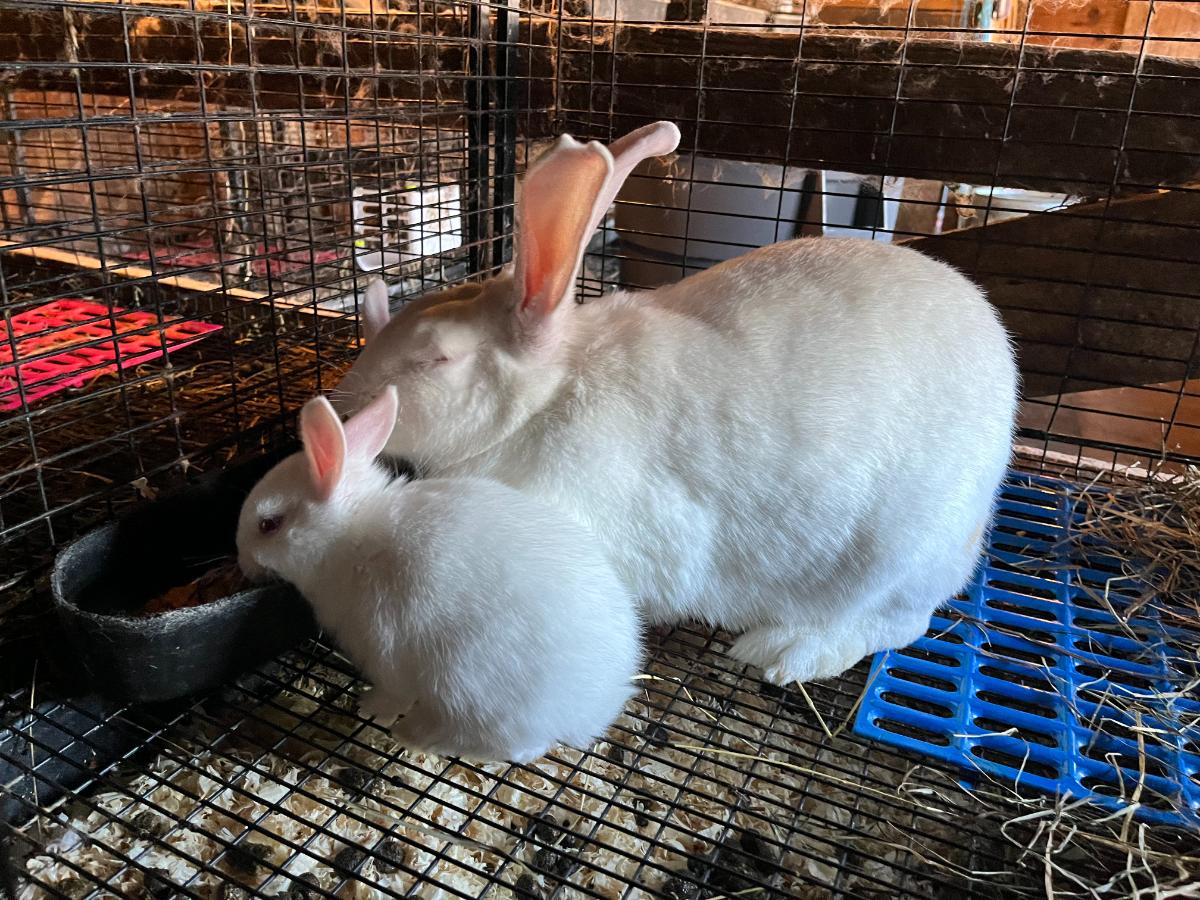
Because of its various properties, dandelion is an effective preventive measure and an effective treatment for a variety of illnesses and ailments. Even better, it can prevent many issues before they get that far.
Some conditions that dandelion can treat include:
- Milk production for nursing does
- Enteritis/diarrhea prevention
- Diarrhea treatment
- Respiratory illnesses and infections
- Reduce inflammation from illness or injury
- Bladder infections
- Viral infections
- Bacterial infections
- Constipation
- Digestive ailments
The previously mentioned study had some interesting discoveries, almost accidentally, when studying other growth and meat qualities in meat rabbits that were fed powdered dandelion in different amounts to different designated groups.
“It was found that there was some degree of diarrhea in the control [no dandelion] and low-dose dandelion supplement groups and no diarrhea in the high-dose dandelion supplement group, which may have contributed to the higher daily weight gain and lower feed-to-weight ratio in the dandelion supplement group.”
High dose groups received 1.5% and 2% of their daily ration in dandelion powder.
What Parts of the Dandelion Plant Can Meat Rabbits Eat?
Meat rabbits can eat all parts of the dandelion plant. This includes
- Dandelion leaves
- Dandelion flowers
- Dandelion stems
- Dandelion roots
One post in a popular rabbit forum says that different parts of the dandelion plant are good for specific uses. According to this post,
- Dandelion flowers offer mild pain relief
- Dandelion leaves hold vitamins and nutrition
- Dandelion stems and leaf veins are where the diuretic properties come from
- Dandelion roots are best for digestive and stomach upsets
You do not necessarily need to be that particular about which parts of the plant you feed for different feeds or treatments if you don’t want to, but it is interesting to see what properties come from which parts of the plant. This could potentially guide your use depending on what you’re targeting.
Different Ways to Feed or Administer Dandelion to Meat Rabbits
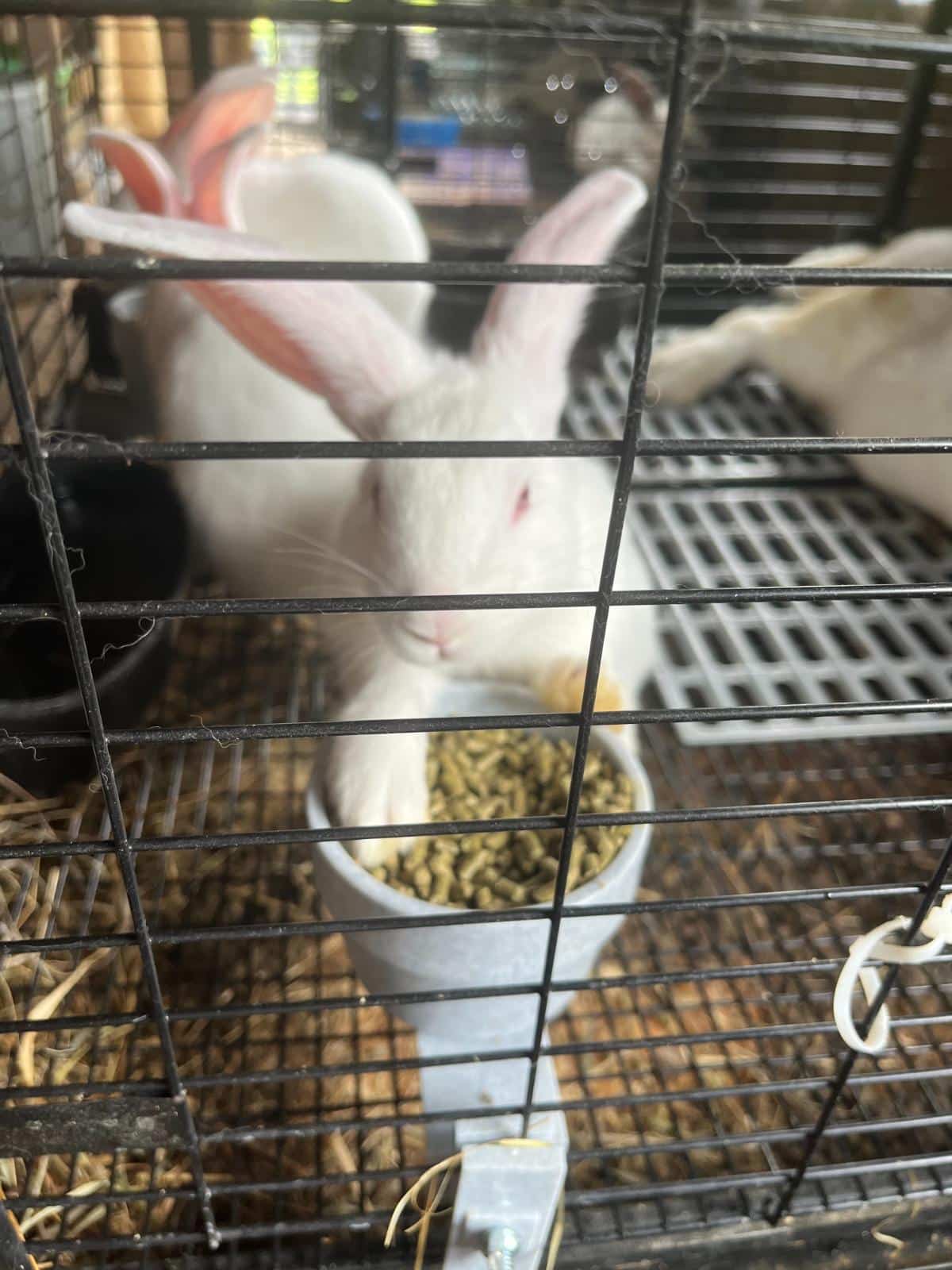
Dandelion is easy to feed or administer to meat rabbits.
The simplest way is to pick a handful of dandelion plant parts, or pull up the plant roots and all, and then parcel it out to your meat rabbits. (Note that a whole plant is too much to feed at once to a single rabbit.)
Other ways to give dandelion include:
- Make a weak tea from the roots and use it to water rabbits, especially those in distress (this can be a way to administer to a sick rabbit that isn’t eating)
- Feed fresh greens and plant parts, picked/foraged fresh from the ground
- Dry and feed plant parts -- can crumble into or over feed
- Offer cut sections of fresh root
- Cut and dry roots for later feeding or teas for watering
How Much Dandelion Can You Feed to Meat Rabbits
Feed dandelion in moderation. The properties that are nutritional and remedial can go too far if too much is consumed. Dandelion is high in calcium, which can be useful for pregnant and nursing does to help them maintain adequate calcium levels as milk production strips it away. But on the other hand, too much calcium can cause urinary issues, especially in bucks.
All of this is to say that there can be too much of a good thing, but as long as you offer dandelion in rationed amounts for the treatment of a problem, or in moderate amounts with other forages and feeds offered, it is a beneficial food, treatment, or supplement.
The recommendation for dandelions as a feed is to keep them at or below 10% of the overall ration. Studies showed enhanced rates of gain and meat quality with only 1.5 to 2% of the total feed ration being supplemental dandelion.
- A good guideline to follow would be between 2 and 8% of the diet being dandelion
- A simpler way to gauge this is to feed a few fresh leaves along with other forages, greens, hay, or pellets
For treatment of illnesses, feed a few leaves or equivalent portions of the plant. If using dried, sprinkle a small amount, about a tablespoon or two, over the top of the rabbit’s feed, or offer one or two larger leaves in with hay if you have pulled the pellets (such as when treating a GI issue like blockage or stasis).
Introduce dandelion gradually as you would for all fresh feeds. Even the dried feeds should be used in limited quantities. While rabbits will often only take what they want, some rabbits like dandelion so much that they gorge on too much when it’s offered in larger amounts. Let your rabbit(s) acclimate to the plant before you increase amounts, especially as part of a foraged feed diet.
Dandelions in Transport

Dandelions are a good food to offer, in moderation, when you are transporting meat rabbits.
This will provide immune support during a stressful situation, which is when illnesses and conditions often appear that otherwise would not.
It also offers immune strength in case your rabbits are exposed to pathogens or parasites in their travels. You can’t always know, even if everyone around your rabbit appears happy and healthy! A bit of an immune boost can be just the thing to prevent a problem.
Rabbits generally like dandelion greens, so even if they are stressed and off feed during travel, they will often munch on small amounts of greens, and those greens have digestive and organ-supporting properties to help prevent stomach and gastrointestinal issues.
Fresh dandelion greens also provide some lasting hydration in a situation where watering may not be an option for periods of time.
So, dandelion can be a real all-around problem solver for transporting or traveling meat rabbits: immune support, illness prevention, digestive support, feed, and hydration. It should still be fed in moderate amounts, though!
Foraging and Storing Dandelions for the Off-Season
Dandelions are a very common plant, one that is usually considered a “weed”. The more we learn about the benefits and nutrition dandelion has to offer, the less it is looked upon as such.
There are only a few things to note regarding foraging for dandelions or storing them to use later:
- First, make sure the dandelions you harvest are not sprayed!
- Avoid dandelions from areas where other animals are known to defecate (in other words, don’t pick dandelions in the dog park!).
- If you know there are serious communicable rabbit diseases in your area, it would be smarter to opt for buying dried dandelion. It’s surprisingly readily available!
- You can pick dandelions throughout the growing season and dry all parts to have them on hand for later, or to use as a dried feed component in the winter.
- You can hang plants upside down to dry or dry in a low oven or food dehydrator.
- Pay particular attention to the roots when dehydrating; they will take longer to dry than other plant parts. It is best to slice them vertically along the length of the root into halves and dry the roots that way for thorough drying.
- Be sure to dry plant parts all the way through, so they don’t mold in storage, then store in an airtight container until ready to use.
Dandelion has always been a plant that doesn’t quite get the credit it deserves. But it is one that you will see often recommended from one meat rabbit breeder to another. This is great news for a plant that is so easily available -- and free -- for almost all of us!
Resources and More Reading on Dandelions for Meat Rabbits and Their Uses
- Meat Rabbits. The First-Line Defense for Most Meat Rabbit Digestive Issues.
- Amazon. Exotic Nutrition Pasture Plus+ Dandelion Delicacy.
- Cleveland Clinic. Lymphocytes: Function, Definition, Levels & Ranges.
- Healthline. Dandelion: Potential Health Benefits and Side Effects.
- Eat This Much. Dandelion Greens Nutrition Facts
- Homestead Rabbits. Meat Rabbit Pros and Con.
- BHA Rabbitry. Feeding Meat Rabbits.
- PubMed. Adding dandelion to rabbit diets: enhancing the growth performance and meat quality by altering immune competence and gut microbiota.
- Reddit. Foraging dandelions in my yard to dry for winter rabbit feed.
- Coops and Cages. Best Diet for a Rabbit: Nutrition, Portions, and Treats.
- The Rabbit House. 5 Rabbit Safe Weeds for Foraging.
- Rabbit Rehome Forum. Dandelions.
- Bunny Bistro. Dandelion Leaf Premium.
- Rise and Shine Rabbitry. Safe Food List for Rabbits.
- Homestead Rabbits. Raise Meat Rabbits: Quick Start Guide.
- American Society for Microbiology (ASM). Adding dandelion to rabbit diets: enhancing the growth performance and meat quality by altering immune competence and gut microbiota.
- Rabbits World. Dandelions for Rabbits.
- Rise and Shine Rabbitry. Medicinal Herbs for Rabbits.
Leave a Reply