
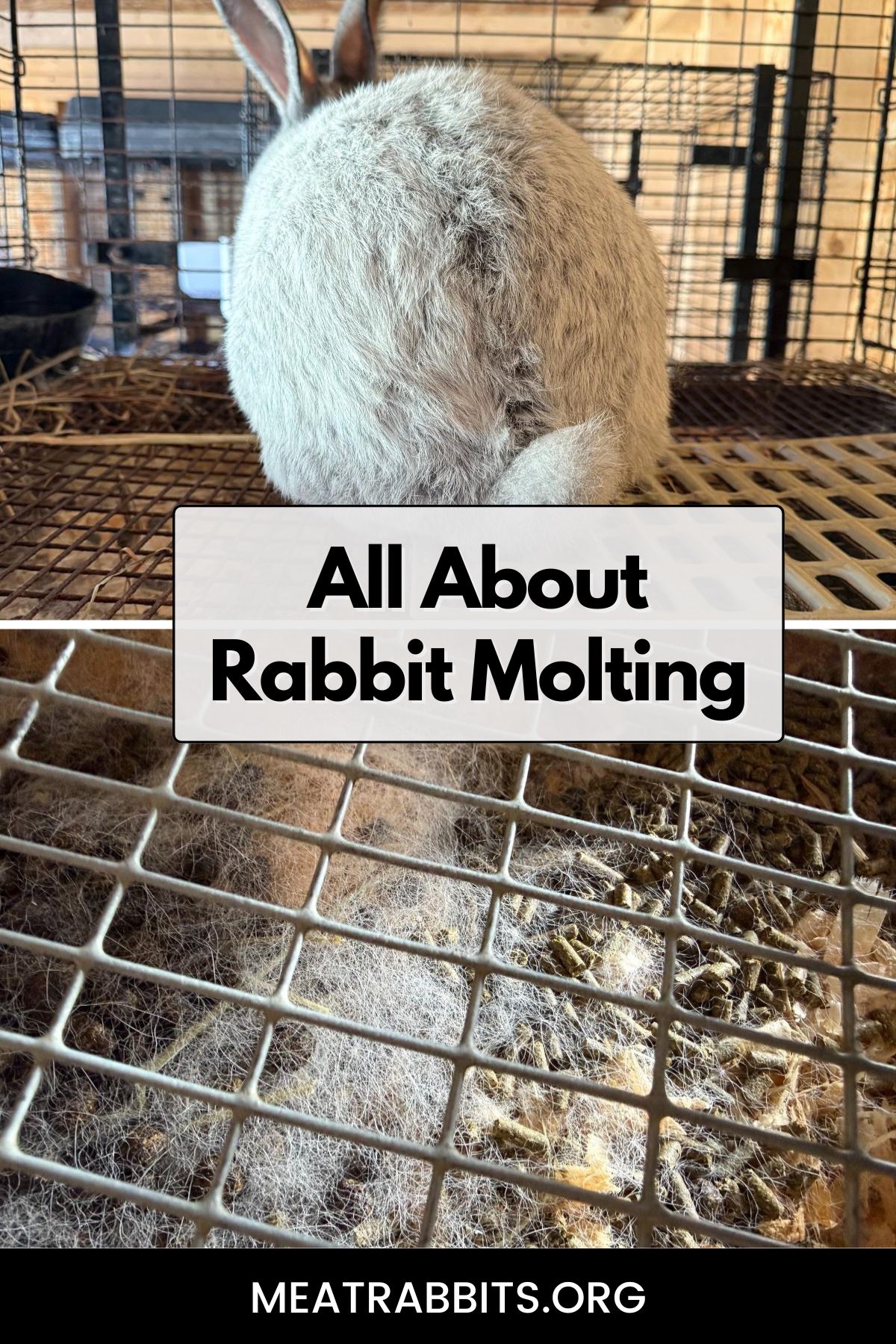
You go out into your rabbit barn or outside rabbitry area, and see fur blowing all over the enclosures. You may even see some rabbits with thin or bald patches.
Is there something wrong with your meat rabbits??
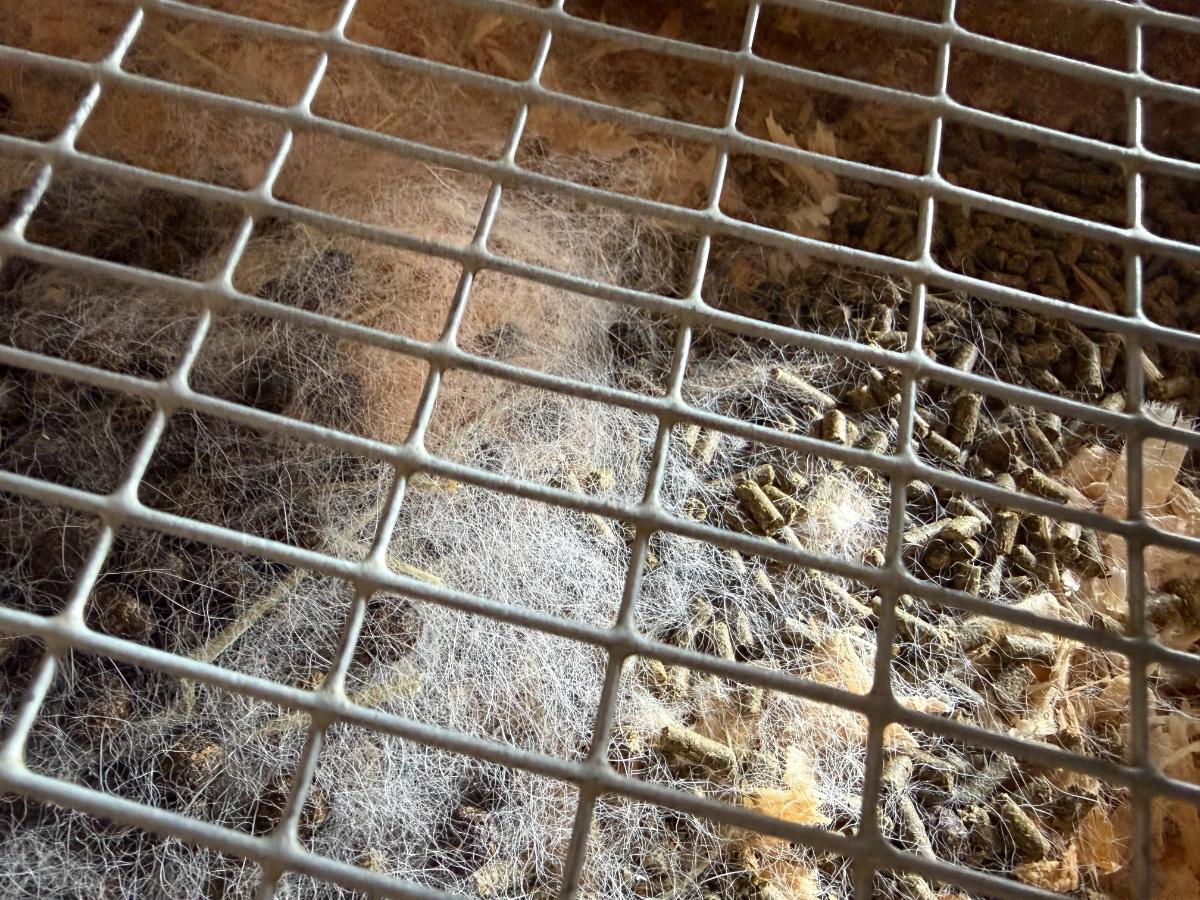
Probably not.
It’s probably just molting season!
Jump to:
- Molting is a normal part of rabbit life
- Why rabbits molt
- Typical meat rabbit shedding patterns
- When meat rabbits molt
- Video: Watch These Champagne D’Argent Rabbits Change Color!
- Video: Guess the Color of Champagne x Californian Cross Kits
- How long should a meat rabbit's molt last?
- VIDEO: Flying Fur? It’s Meat Rabbit Molting Season!
- Normal (but sometimes concerning) occurrences in a meat rabbit's molt
- Supporting your meat rabbits through the molt
- How to help a rabbit along that seems “stuck” in a molt
- Things to look for that may indicate a problem, or hair loss that is not from a molt or shedding
- Molting, harvesting, and saving meat rabbit hides for tanning
- More References and Reading on Meat Rabbit Molting
Molting is a normal part of rabbit life
Molting is a normal part of rabbit life. It is a physiological response that allows rabbits to acclimate to the current season and temperature.
It’s a lot like the molt that chickens go through, only at more times of the year. It’s a bit like the shedding of dogs, horses, and other livestock. It’s the way that these animals, which cannot sweat, can control their body temperatures at different times of the year. And the way they grow a fresh, new coat of fur.
Molting is a complete wardrobe overhaul. It is a complete shedding of the old fur, which is replaced as they molt with all new fur. This is somewhat different than shedding because it is a complete exchange of fur.
Why rabbits molt
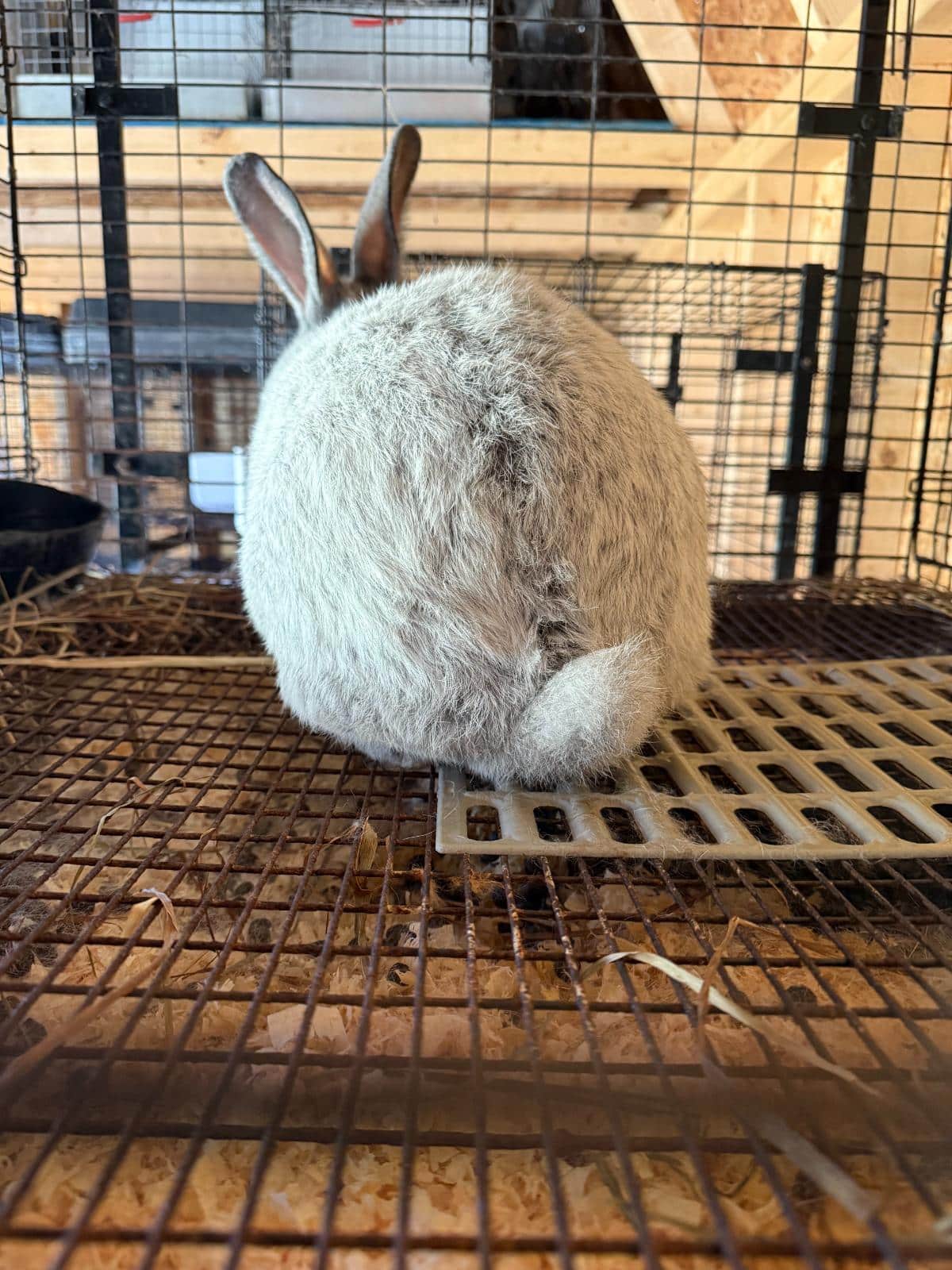
Rabbits molt to “cloth” themselves appropriately for the season at hand.
Rabbits molt both to stay warmer and to cool off. It all depends on the season and what it brings.
Rabbits have few devices available to them to control their body heat. They warm well by growing a thick winter coat. They cool less well, but molting is part of their cooling process.
- Rabbits molt to grow a new, thicker, fresh coat for winter
- Rabbits molt to shed their excess coat for the warm months
- They molt or shed to thin out their coats for cooling purposes
- They molt as a normal part of the growth and maturation stages as they move through the juvenile/adolescent stage and into adulthood
Typical meat rabbit shedding patterns
The typical pattern that a rabbit's molt will occur in is from the head down.
- The usual pattern of molting starts at the head
- It then moves down the neck and onward to the back
- At the back, rabbits usually molt from the top of the back down towards the belly
- The hind legs and quarters are often the last to molt
- Some rabbits can (and do) molt normally in random or atypical patterns
- Rabbits may molt in patches, appearing to have more bald spots and less uniformity, and this can be normal for an individual rabbit, too
- Rabbits may get “stuck” in a molt, meaning that they don’t quite finish and are left with large areas or tufts of hair hanging on
- Usually, a rabbit that is stuck in a molt will be stuck on the flanks above the tail or on the belly
When meat rabbits molt
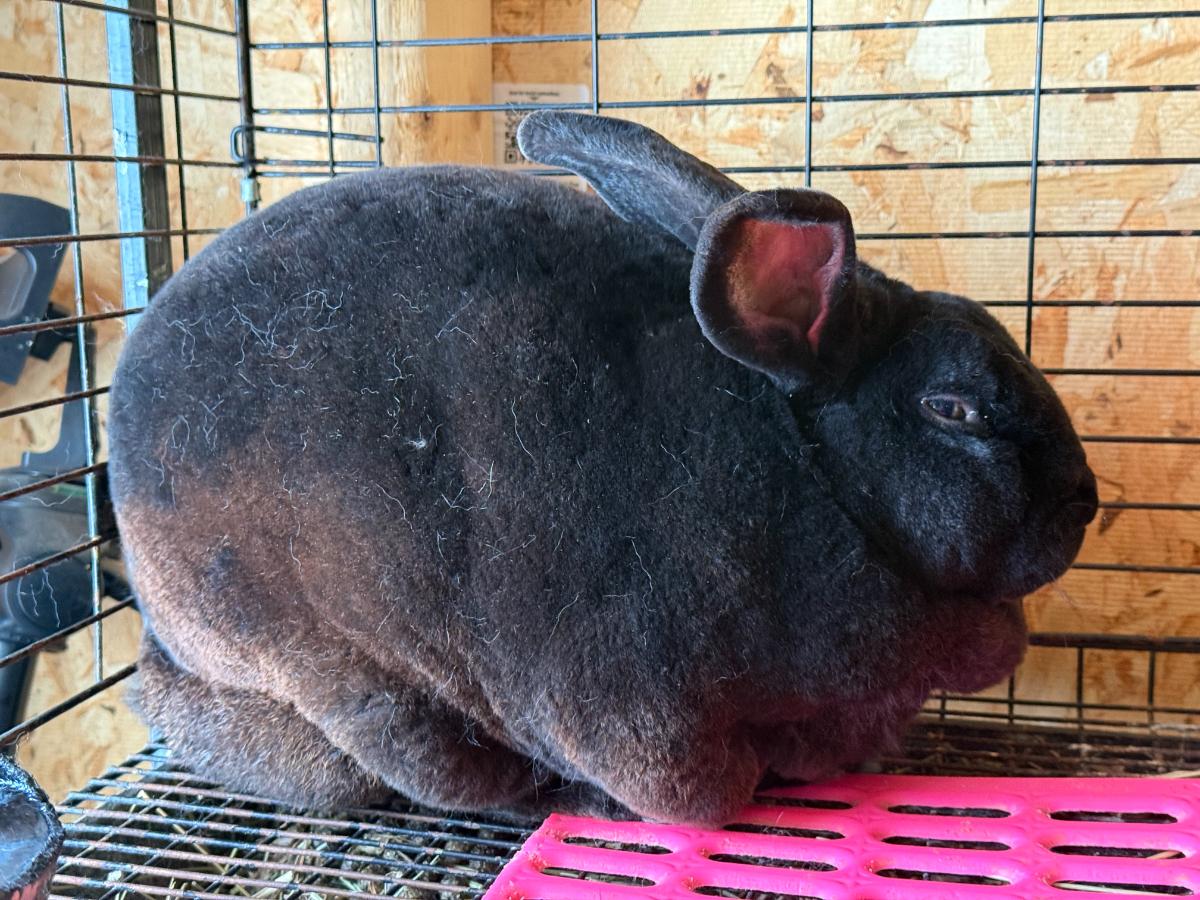
The most common answer you will get as to when molting happens is that it happens twice per year. That is true for adult rabbits, but young, developing rabbits have their own molting schedule.
- Meat rabbits generally experience two big molts per year, in preparation for the warm and cold periods of the year
- Meat rabbits may undergo a lighter molt in between, about every three months for a total of four molts per year
- Due to these two possibilities of normality, you may see resources that say rabbits shed twice per year, while others may say they shed about every three months
That said, meat rabbits in different environments and locations may molt more frequently or lightly shed much of the time.
Molting in young rabbits and grow outs
Molting is a part of the development of kits and young rabbits. And so, molting in young meat rabbits may occur at times you might not expect shedding to occur in response to weather.
- Kits are born hairless and quickly begin to grow their baby coat of fur
- They will molt this immature coat as they grow and get closer to maturity
- Kits will grow an intermediate coat, which is accompanied by a light molt, when they are a few months old
- This usually occurs at 16 to 20 weeks
In some breeds of rabbits, it is very obvious when they begin to shed and regrow their infant coat. This is because some rabbits have a clear color change during their development. Perhaps the most obvious case of this is the Champagne d'Argent meat rabbit, also sometimes called the “color-changing rabbit”.
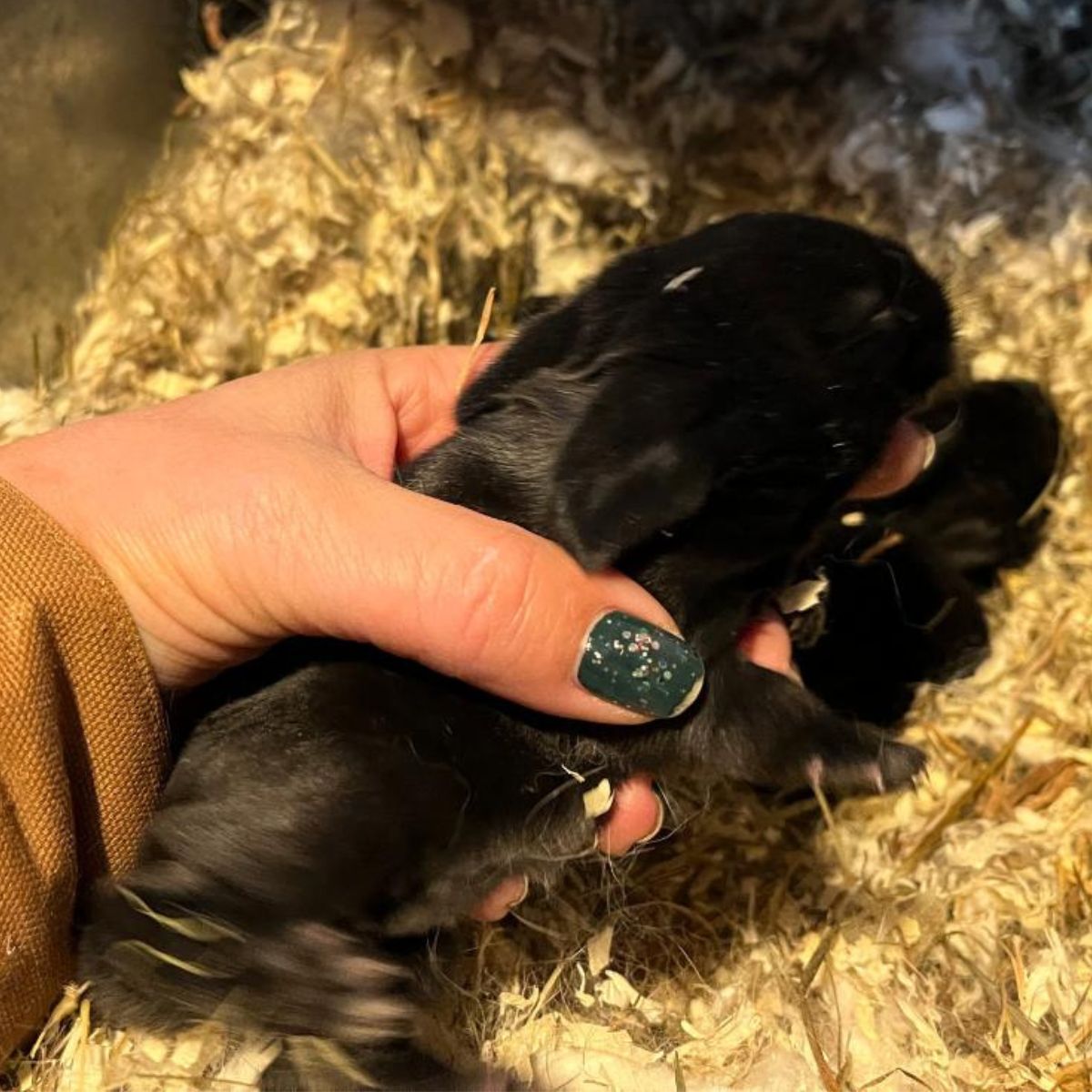
Champagne kits are born hairless (as all rabbit babies are) with black skin. Their first coat is completely black. As the kits get older, at around six weeks (give or take), they begin to silver. This starts with the feet and underside of the belly, but soon you will have eight to ten-week-old rabbits that are quite mottled and shaggy as their black fur is replaced with gray to silver fur.
Video: Watch These Champagne D’Argent Rabbits Change Color!
The rabbits will continue to lighten in color until, by the time they reach maturity at six months of age, the adult rabbits have a coat of silver fur that is lighter still in color than the junior grow outs were a couple of short months ago.
Other rabbits show similar color modification (shedding and regrowth, really), to a less obvious degree. You can sometimes see this in Californian rabbit kits, especially if they were a little chilled as babies.
Chilled Californian kits will often look grayish all over their bodies, rather than the contrasting pure white with gray to black colored points on the ears, feet, and tail. As the grayish chilled kits grow, they will shed out this infant coat, and the gray will disappear, leaving them with the more standard white and dark coat and points.
In young kits that are growing in mature coats, shedding tends to happen more subtly and without obvious signs of flying fur all over the cages. Often, it can go unnoticed unless you have a rabbit like a champagne or a chilled Californian that has an obvious kit to adult color change.
Video: Guess the Color of Champagne x Californian Cross Kits
Molting in mature adult rabbits
Adult rabbits typically have two molts per year. They may lightly shed or have fewer molts in between as the seasons change. Responses will typically follow day length and/or temperature changes, up or down significantly.
- The first molting period for an adult rabbit happens in the spring
- Spring molting sheds out the thicker winter coat and allows for the hotter temperatures in spring and summer
- The second molting period for an adult rabbit happens in the fall
- The fall molt sheds out the thinner, older summer coat and allows for a thicker, warmer winter coat to grow in
- Expect adult meat rabbits to have a light shed or molt in between, meaning they will shed every three months
- You may not notice the lighter sheds in between
- The winter shedding (shedding the thick fur they wore through the winter) will be the heaviest molt
Other times a meat rabbit might molt
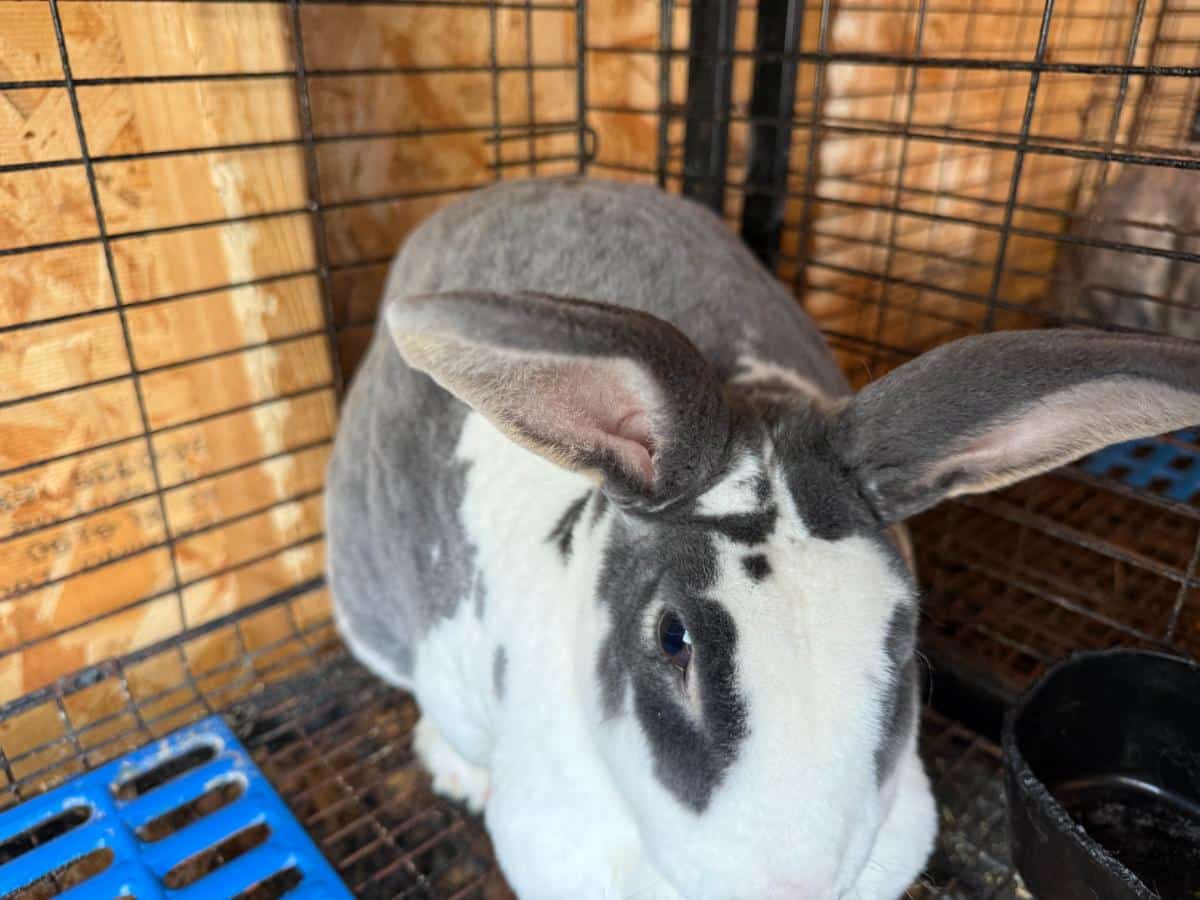
There are times when rabbits might molt at unexpected times of the year. This can vary due to weather or physical experiences of the rabbit.
Some circumstances in which a rabbit might experience an "irregular molt” include:
- During hormonal changes, such as before, during, or after breeding
- Hormonal changes related to sexual maturity
- In response to periods of stress
- Dietary changes
- Inadequate diet (often related to low protein)
- In response to irregular weather patterns -- such as extended warm weather, unusually warm winters, or early periods of cold in the fall or early winter months
- In warm climates, meat rabbits may shed more often or on more of a nearly consistent basis
- Rabbits kept indoors, especially in warmer, climate-controlled environments, may shed nearly constantly
Generally, irregular molting is not anything you need to be concerned about. If you believe a stressor is at play, try to remove the source of your rabbits’ stress. Support the rabbit through the time of stress as you normally would, and it should soon settle and come out of the molt.
That said, consider that irregular molting may be a symptom of stress or illness (that is, true irregular molting, not just intermittent shedding in response to high heat or the three-month periodic shedding that is normal).
If you feel like the molting is not quite right, and/or if you do not see signs of molting in other rabbits in your rabbitry, explore further.
How long should a meat rabbit's molt last?
- The average meat rabbit's molt lasts for two weeks
- Three to four weeks is not uncommon
- Molting may take up to six weeks, but it is not the norm
- Light shed as the seasons change can make this seem even longer, or may make a molt appear to be extended for a long period of time
- Prolonged, unseasonable warmth may instigate shedding as the rabbits lighten the coat they prepared for cold months, and then the weather persists in staying warm
- You can try supplementing rabbits to make them molt faster
VIDEO: Flying Fur? It’s Meat Rabbit Molting Season!
Normal (but sometimes concerning) occurrences in a meat rabbit's molt
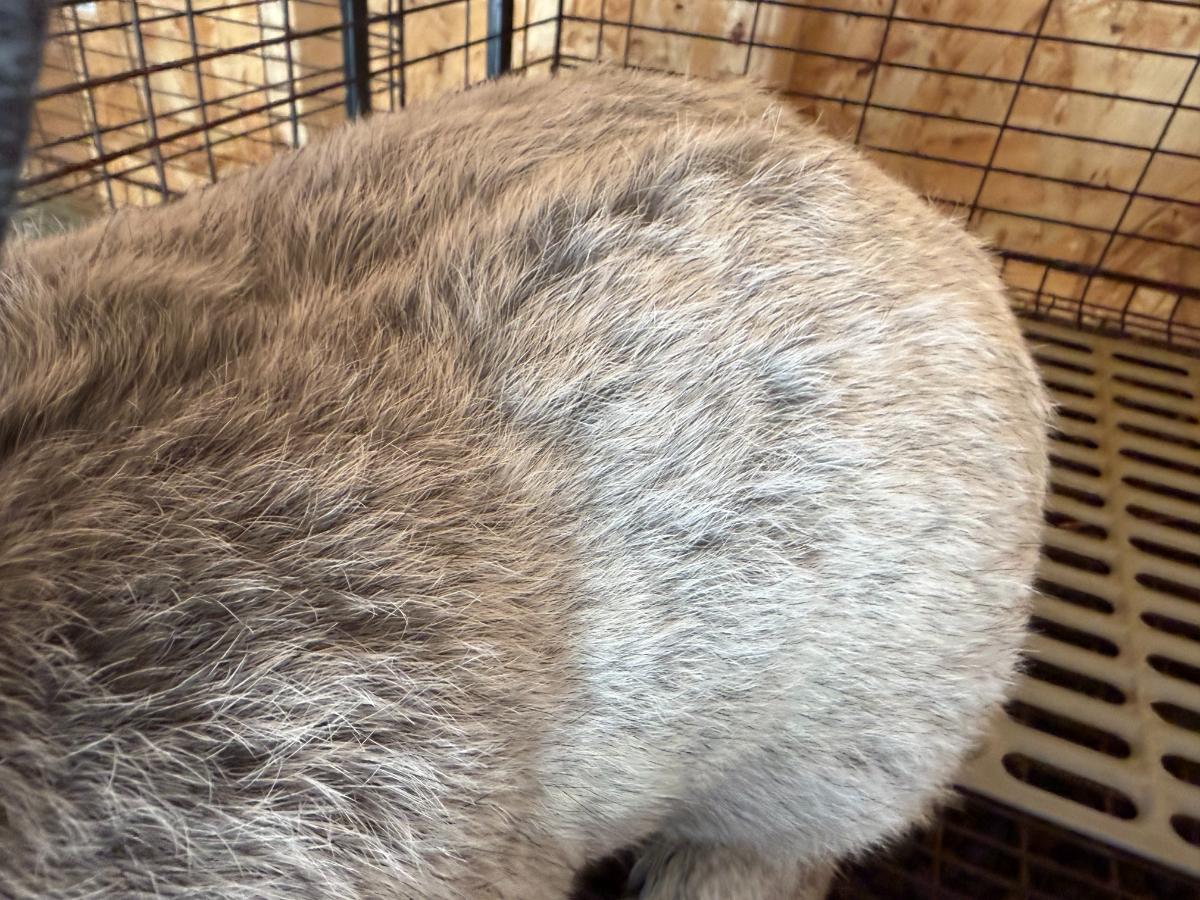
- Irritability in the rabbit
- Skin can be sensitive during the molting period, so some rabbits may seem to suddenly have an uncharacteristic attitude change
- Thin to small bald patches
- Ideally, shedding and molting happen more evenly, and a rabbit will not have bare patches of skin, but some rabbits, especially those that molt very quickly, may develop areas of such thinness that they appear bald
- If bald patches resolve within a week or so, they are probably nothing to worry about and were likely the result of a heavy molt
- Bald patches that do not resolve within one to two weeks may indicate another issue
- Check for mites and if in doubt, treat for skin mites or "walking dandruff" (if you look through a magnifying glass or even with the naked eye and see skin flakes that seem to move, treat for mites)
- The most common treatment for skin mites is Ivermectin, either injected or a few drops placed between the base of the rabbit’s ears
- Ivermectin can also be injected under the skin (make sure to use the injectable)
- Some breeders prefer the injection and say it works better overall for mites and parasites
- Rabbits that seem stuck in their molt and shed for a long period of time
- “Stuck” rabbits may need some help to move the needle and get them to complete their molt
Do not be worried if your rabbit molts and then has a lighter coat after it is done. Ears, especially, may have a very light fur coating as a result of a molt. This is normal and is their response to preparing for warm weather.
Rabbits expel heat mainly through the blood vessels in their ears. Lightening the fur load on their ears helps them to radiate heat and cool down better. In summer, the fur on a rabbit’s ears can be quite light and thin.
Supporting your meat rabbits through the molt
- Always feed rabbits a good diet (usually pellets)
- Keep the diet consistent
- Feed a minimum of 16% protein
- Heavy molters or rabbits who have prolonged molts or dry skin benefit from a higher protein percentage feed, up to 18% protein
- Make sure the rabbit's diet includes enough fiber
- Feeding hay, even if you don’t normally, can help provide extra fiber to help “sweep” large amounts of fur through the intestines and prevent blockages
- A small amount of banana daily can also help prevent blockages (aka “wool block” or “fur block”)
- Observe your rabbits’ manure daily
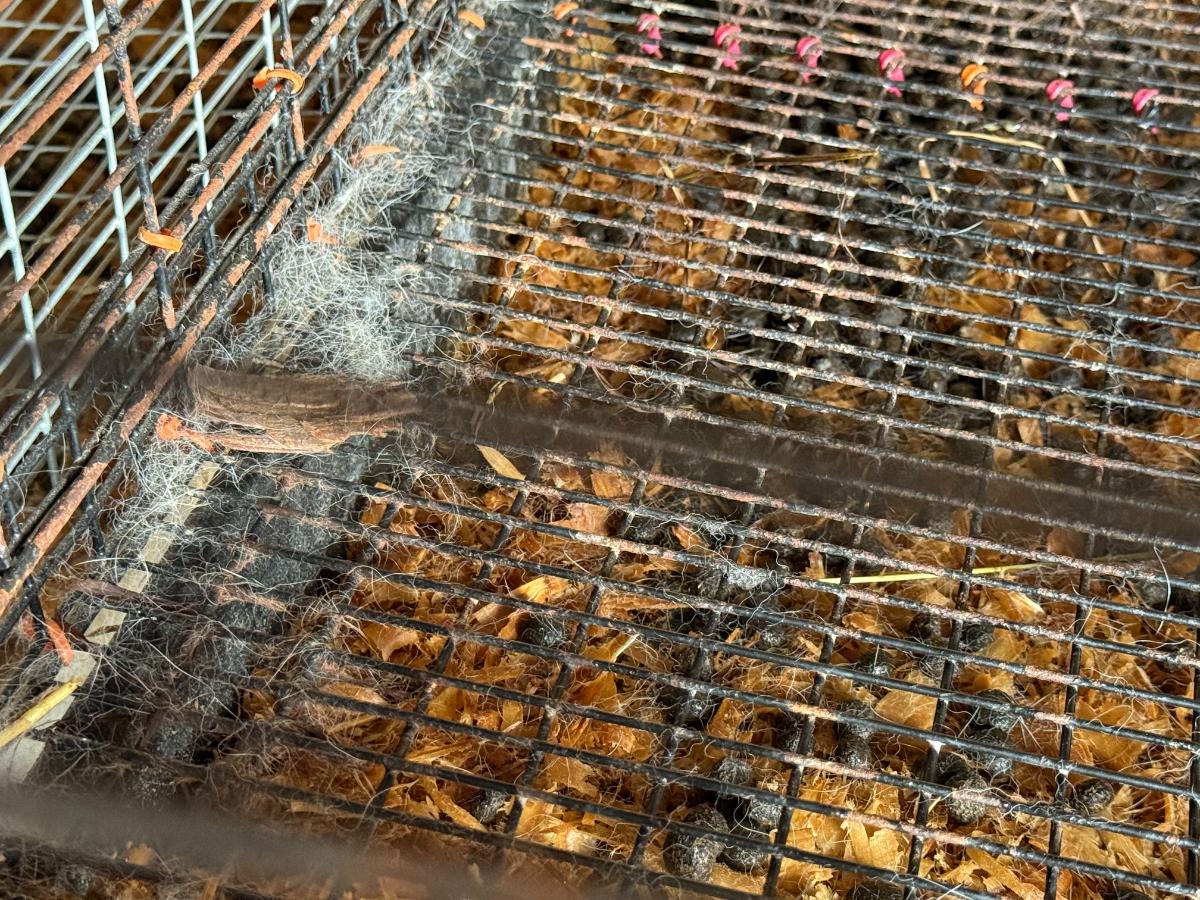
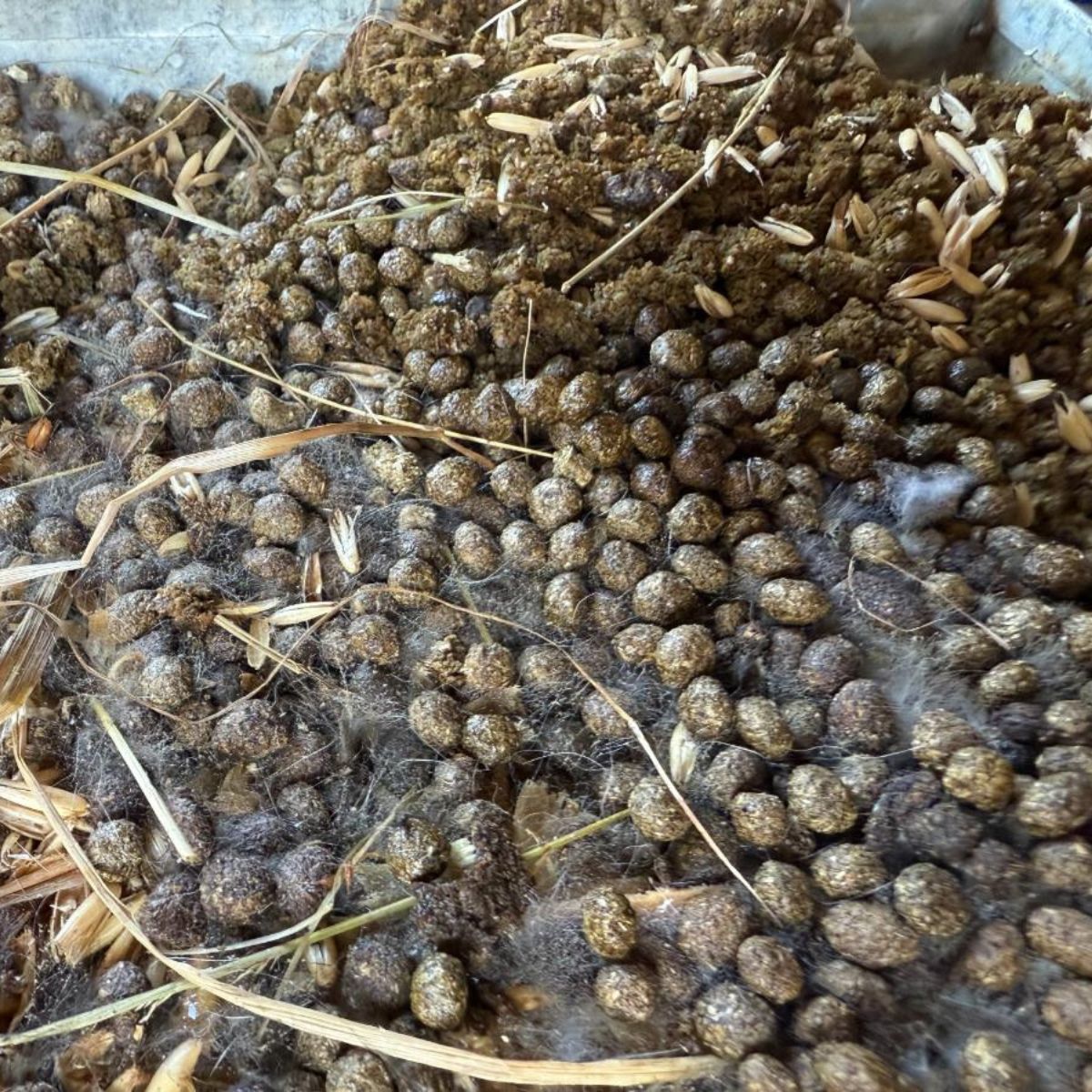
- Look for “poop chains” -- two or more round pellets of poop that are bound together with fur
- Poop chains indicate the rabbit is ingesting a lot of fur, which is starting to bind fecal pellets together
- Make sure that your rabbits all continue to pass fecal pellets (poop) every day!
- If you see no fecal pellets, your rabbit has an intestinal blockage
- Increase hay if blockages occur
- Always keep plenty of water available to your rabbits. This is critical during molting!
- Water is essential to keep the intestines well hydrated, which keeps them moving and moves fur along so it doesn’t create a blockage
- Fresh dandelion greens can provide some fiber and help hydrate the intestines, which can be useful during molting
- It is sometimes recommended to brush your rabbits daily or to pull extra patches of fur out to help the rabbit along and prevent excessive fur ingestion or blockage
- This can be somewhat unmanageable in a meat rabbitry with high numbers of animals
- Most rabbits molt fine without our help, but heavy molters or those stuck in a molt may benefit from extra help
- Light brushing, gentle pulling with the fingers, or rubbing damp hands from the head to the back and down can help quickly wipe away excessive loose hair
- You may choose to select for breeders that molt well and easily without problems
How to help a rabbit along that seems “stuck” in a molt
If your rabbit is stuck in a molt, there are a few things you can do to help them move through it and speed up the process:
- Brush the rabbit to remove the old fur (daily if needed)
- Pull out areas of large tufts of stuck hair
- Continue to monitor eating, drinking, and defecating to prevent or catch developing blocks
- Add extra protein to the diet (this will usually stimulate movement and help regrow hair faster, pushing the old hair out)
Two good sources of extra protein during molting that can help to stimulate a rabbit through a stuck molt are
- 1 tablespoon of calf manna sprinkled over feed each day
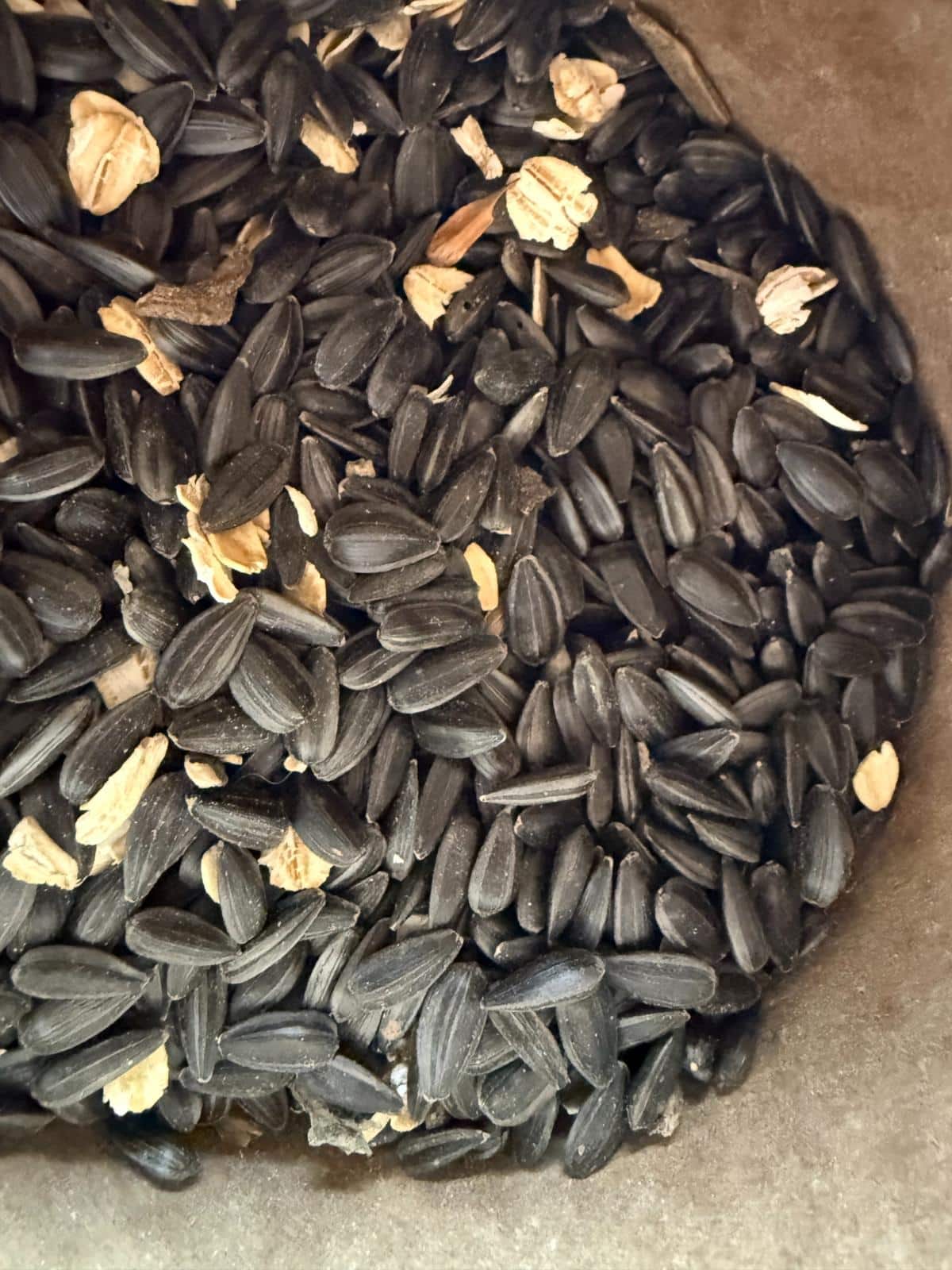
- 1 to 2 tablespoons of sunflower seeds over or in feed each day (or given as a separate treat to prevent scratching and wasting feed for those who are diggers!)
- Black Oil Sunflower Seed is the most often used and recommended sunflower seed for rabbits and has high protein and beneficial oils for the skin and coat
Things to look for that may indicate a problem, or hair loss that is not from a molt or shedding
- Scabs
- Signs of scratching
- “Walking dandruff" when viewed under a microscope, magnifying glass, or even with the naked eye -- that’s mites!
- Patches of lost hair that do not regrow
- Hairless hocks (underside of feet and the bottom of legs)
- Hairless, scalded areas around the rump or genitals (usually from sitting in urine -- urine scald)
- Multiple bald patches
- Inability to regrow shed hair in old rabbits (this is a sign the rabbit is breaking down and may need to be retired or culled)
- If your rabbits are in a climate-controlled environment and constantly shedding, consider whether the conditions are too warm
- The 60 to 70 degree (Fahrenheit) range is quite comfortable for meat rabbits, though they naturally do well in even very cold conditions
- If you are controlling the climate in their building (for example, with heat and/or air conditioning), strive for a steady temperature of 60 to 70°F year-round
- (Please note that climate control is not necessary, and this should not be taken as a recommendation to do so! It’s just that if you do, keep the controls reasonable and comfortable!)
Molting, harvesting, and saving meat rabbit hides for tanning
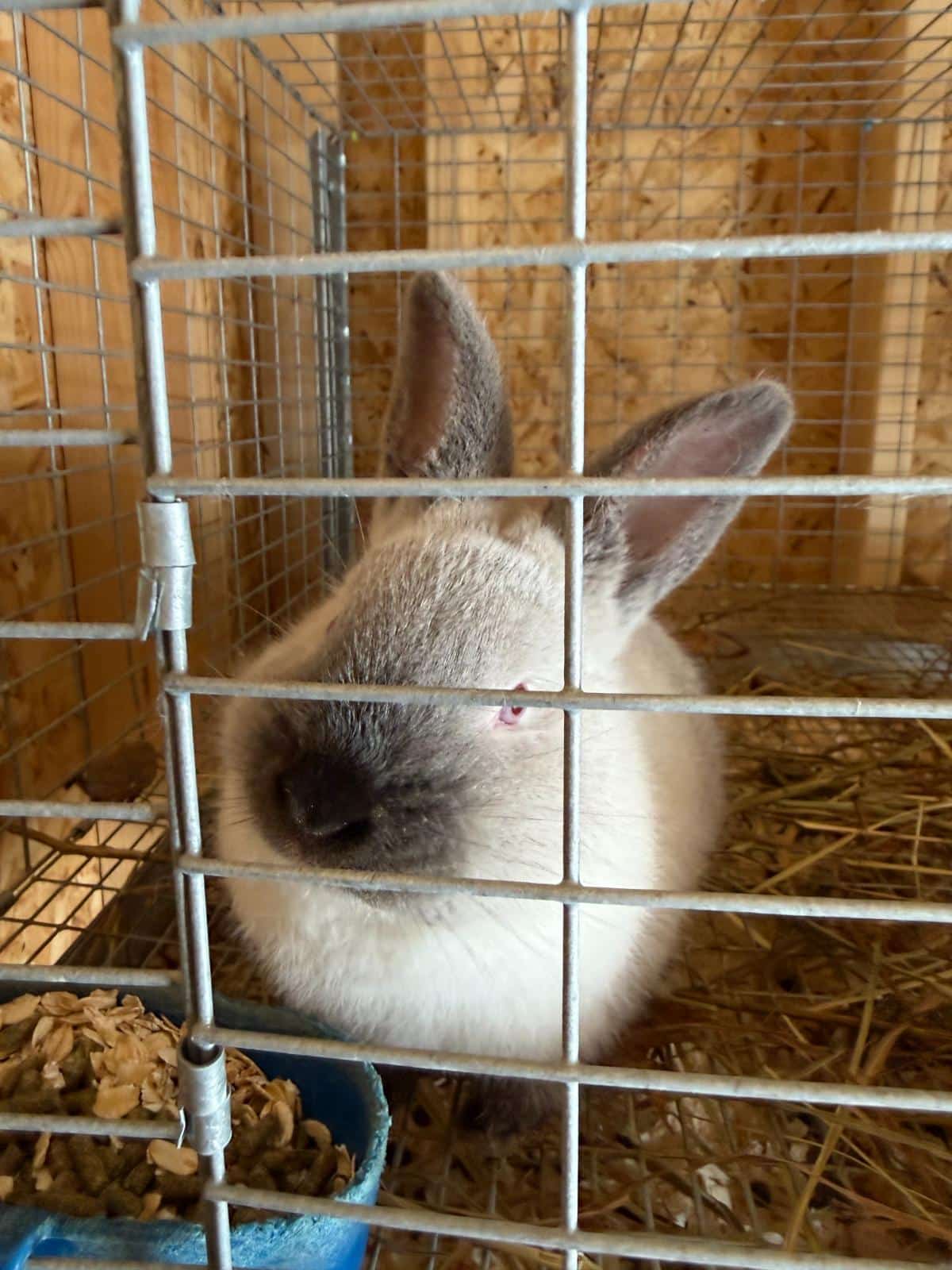
There is nothing wrong with harvesting meat rabbits while they are molting, and there is nothing wrong with their meat.
However…harvesting while meat rabbits are molting can be a messier affair. Hair flying off hides can get stuck on the meat. This isn’t that big of an issue; it can just make more finishing work for you.
- Keep a hose and spray nozzle handy to rinse off excess hair
- Soak carcasses in a tote of cold ice water
- Change the water two or three times
- Rub off excess fur with your hands
- If you can avoid processing while rabbits are molting, that is better and makes life easier, but it is not critical
Molting and tanning rabbit hides
The other thing to consider is if you plan to tan the hides. Molting hides are not in their prime coat condition, so they will never be as nice as rabbit hides from rabbits that are not actively molting.
If you want to tan your rabbits’ hides, it is recommended to wait until they are at least 16 weeks old. This is so that the skin is thick enough to hold the hair through the tanning process.
At this age, the rabbits may be entering their intermediate molt. For the sake of tanning, you may want to harvest as soon as possible at 16 weeks, hopefully before they begin this molt. Otherwise, you may hold off and process the rabbit after this molt is completed.
For harvesting mature adult rabbits and tanning the hides, you’ll want to avoid slaughtering when they are going through their seasonal molts.
The prime time to slaughter for hides for tanning is the middle of winter, when rabbits are not molting, and when their winter coats are lush and at their fullest. (The best time for this would be soon after they’ve completed their fall molt and after they’ve grown their full winter coat.)
More References and Reading on Meat Rabbit Molting
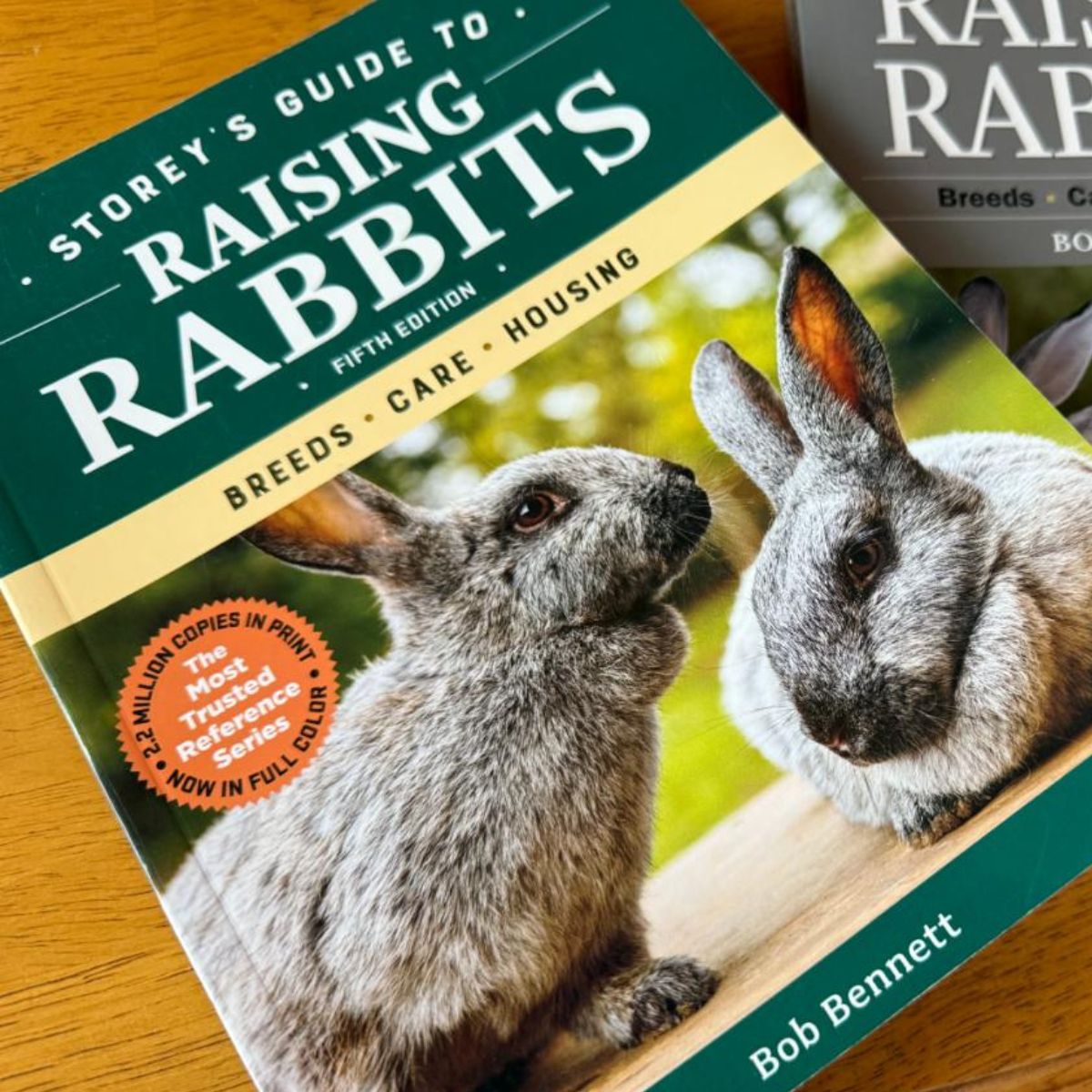
- Bennett, Bob. Storey’s Guide to Raising Rabbits, 5th Edition: Breeds, Care, Housing. Storey Publishing, 2018.
- Rapp, Eric & Callene. Raising Rabbits for Meat. Storey Publishing, 1994.
- University of New Hampshire Cooperative Extension. NH 4‑H Rabbit and Cavy Overview.
- Oregon State University Extension Service. Poultry & Rabbits.
- Rise and Shine Rabbitry. The Molting Cycle in Rabbits.
- Silverson’s Rabbitry. All About Rabbit Molting.
- Utah State University Extension. Basic Rabbit Selection and Breeding Considerations.
- The Ohio State University Ohioline. Rabbit Basics for the Beginner.
- University of Maine Cooperative Extension. Why Raising Rabbits in Maine Might Be a Suitable Enterprise for Persons with Disabilities.
- Michigan State University Extension. 4‑H Rabbit Fitting & Showing Member’s Guide.
- Texas A&M AgriLife Extension. Rabbit Project Reference Manual.
- Michigan State University Extension. Rabbit Tracks: Meat Quality and Carcass Evaluation.
- Michigan State University Extension. Raising Rabbits (Katie Holcomb Presentation).
- Mother Earth News. Meat Rabbits 101.
- Michigan State University Extension. Rabbit Tracks: Feeds and Feeding.
Leave a Reply