
Before moving day, there are steps that you can begin to take to help reduce the stress of the move on your rabbits.

Rabbits are transported from place to place all the time. They generally take this well, especially if they are well cared for throughout the process. Moving is stressful for rabbits, though, as are new environments.
You’ll want to take preventive measures to keep the rabbits on as even a keel as possible, so that the move itself is as short-lived and uneventful as possible.
Jump to:
Top Priorities: Safety, Stress Management, and Digestion
The priority is to keep your rabbits safe and reduce their stress level as much as possible. The primary concern after physical safety is to keep the rabbits eating and drinking on as regular a schedule as possible.
It is not uncommon for rabbits to slow or stop eating during transport, or for a day or two after. However, rabbits that don’t eat and drink are at risk for GI stasis. That can make a short-term issue blow up into a bigger problem.
So, the focus of preparations before, through, and following the move is on supporting the gut health of your rabbits. If you do that and take measures so as to create as little impact as possible for the move itself, your rabbits should maintain adequate digestion and rebound from the move within a few days.
Food Consistency

The best thing you can do leading up to the move and following it is to maintain feed consistency. Relocation is no time to change a rabbit’s diet!
In the weeks and days before the move:
- Feed on your regular schedule
- Do not switch your brand or type of pellets
- Feed your regular diet
- If you do not currently feed hay, it is worth introducing it two weeks or more before the move so the rabbits’ stomachs can acclimate to it and you can offer it without worry
- If you want to add a small amount of fresh forage or greens so that you can add some to the cages for hydration during the move, it’s best to start this three to four weeks or more ahead of time, and at least two weeks before
- Buy enough grain to last you at least one to two weeks after the move, in case you can’t find your brand and type of pellets at the new location
- You want to be able to keep things as consistent as possible until the rabbits are comfortably established in their new home and stresses are relieved
On the day of the move:
- Feed and water in the morning before moving to give the rabbits a chance to eat if they are hungry
- It is most important that they drink water; this will hold them for several hours, as long as they are not too hot during the move
- Put some hay in the transport carriers, but don’t worry about pellets for the drive, unless it is more than 8 to 12 hours long
- Prepare a jug or two of water (depending on how many rabbits you need to water) and take it with you when you move
- An extra bottle or two can be a smart move in case the rabbits need to get used to the water at your new location
- If you are traveling more than six hours or so, it is smart to stop and offer some water about halfway through
- If you are traveling overnight or more than 8 to 12 hours, offer a small amount of pellets for them to eat when you stop to water the rabbits
- Hay will hold the rabbits for a long time -- even days, if necessary; even if weight drops a little, they will quickly rebound when they get on pellets again; the hay is adequate fiber and nutrition to support them through the move
Following the move:
- If you can’t get the rabbits set up in new cages or housing right away when you arrive at your location, at least offer them their regular diet of pellets and water, and hay if they don’t have any left
- Maintain a regular diet of pellets, water, and hay
- Try to maintain the regular diet for two weeks after you move, without switching pellets or feeds
- If you need to switch feeds for reasons of availability in the new location, start mixing the pellets at a ratio of 25% new to 75% old, then increase to 50%/50%, then to 75%/25%, and finally 100% new brand of pellets
- Make feed conversions slowly over at least a week
- This gives your rabbits’ digestive tracts time to build new probiotics in the gut, and they should transition well to the new feed
Probiotics

It’s always smart to give your rabbits probiotics when they are in need of additional digestive support or to help them maintain their gut flora in times of stress.
Probiotics are good to provide for weaning kits to make sure that they have enough good gut bacteria to keep them digesting and to prevent diarrhea. It works similarly for rabbits of all ages when they experience some changes and potential stress.
To support your rabbits’ digestive systems, start adding probiotics to their water (according to label instructions) one to two weeks before the move.
Continue to provide extra probiotics for one to two weeks following the move. Continue them longer if rabbits seem off feed, lethargic, have lower fecal pellet production (read: poop), or show symptoms of diarrhea.
Probiotics can’t hurt, but they can help -- a lot. So, err on the side of caution. They’re a smart support for rabbits who might be taking in less feed, whose digestion might slow down, and therefore their own hind gut fermentation, cecotrope production, and natural probiotic balance might suffer.
VIDEO: Preparing Rabbits Ahead and Through the Big Move: Immune Support and More
Hay

Even if hay is not part of your regular diet plan for your meat rabbits, in times like these, it is a good source of nutrition, and more importantly, fiber and gut fermentation.
Hay is a good, simple food to offer during transport and is a good cushion in transport cages, but you do need to expect that even as bedding, they will eat some, and so adding it in ahead of time is wise.
Hay provides fiber, which is the most important thing to keep rabbits’ bellies moving and their guts operating.
Leading up to the move, offer enough hay to get your rabbits used to it (though it typically does not take much to get a rabbit to eat hay). Continue to provide it for a couple of weeks after the move until everyone’s system has calmed down from the stress of the move.
Then, if you don’t want to use hay for your meat rabbits, you can take them off it. But it will be a good safety net for your rabbits and their digestive health through the move.
Other Immune Supports

There are other popular immune and health supports that you can use for additional protection and a boost to the immune system to help fight off anything your rabbits might encounter during the move.
Stressful situations leave meat rabbits more prone to parasites, viruses, illnesses, and diseases. If they are carriers of things like coccidia or E. cuniculi, even though they may not usually affect them, they might show symptoms of illness when their immune systems are stressed by the move.
Additional immune support can help support their immune systems to prevent issues or to help your rabbits deal with and recover from anything that might arise.
Many people will provide supplements such as the following when traveling, relocating, or attending shows, etc. These might include:
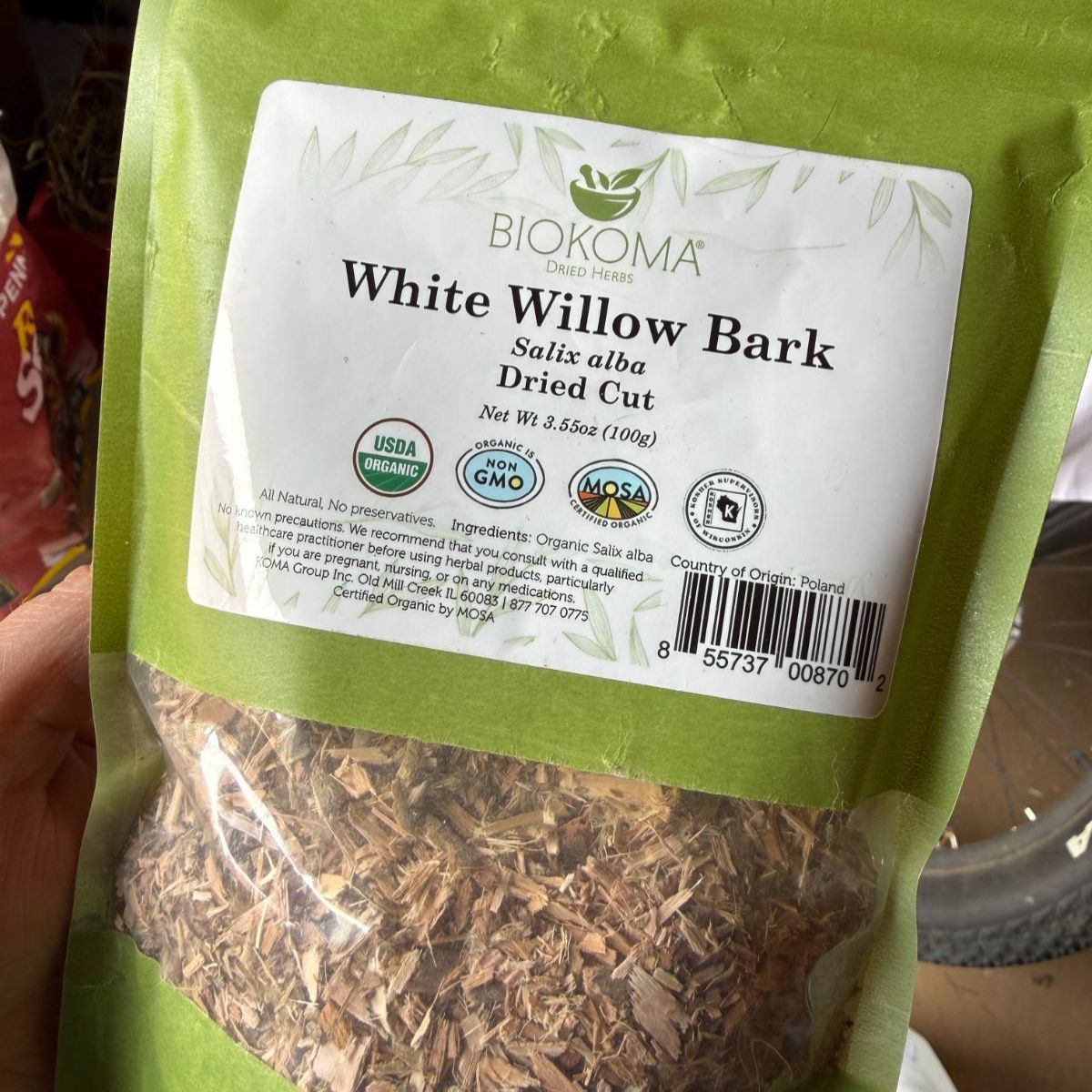
- Immune-supporting herbs such as raspberry leaf, parsley, oregano, echinacea, lavender, and plantain
- Rabbit VetRx Vet Rx for rabbits is a blend of camphor oil and herbal essential oils that support the immune system, can be used for various health and hygiene uses, and supports good respiratory health in rabbits. This would be a good additional supporting supplement with an aim primarily toward maintaining respiratory health during the move, and fighting off respiratory infections from exposures that might happen along the way.
Other Rabbit Prep in Anticipation of the Move

You’re sure to be quite busy after the relocation. It might be difficult to find time for regular health and hygiene tasks. Also, your rabbits may come in contact with exposure to pathogens, mites, and parasites that they might otherwise not encounter (or be less likely to in your closed farm environment -- closed meaning without exposure to other carriers or rabbits).
For these reasons, some good, regular maintenance and preventive treatments can make life easier.
In the week or two before or the days just before the move, consider attending to these regular health and hygiene needs:
- Nail trims (which will also reduce catching and injuring nails if they are overlong during the move and extra handling, also reducing scratches for you!)
- Ear mite treatment -- you may catch an early, unseen infection, or having oil in the ear during travel should kill the mites they come into contact with along the way
- Any other body or coat issues, like matted fur (especially on bucks and especially on the hind end)
- Culling weak, underperforming rabbits or rabbits that are prone to illness or infection
Top Tips For Relocating Rabbits

To sum up, here’s an overview of how meat rabbits should be housed and handled during a move or relocation:
- Keep rabbits calm
- Provide safe transport
- Make sure transport cages or carriers cannot be chewed through or opened
- Use extra snaps if needed to back up cage clasps
- Feed and water prior to leaving
- For trips longer than four hours, stop and offer water
- If you feel your rabbits can handle it, a small amount of food with some moisture content can help keep them hydrated -- apple chunks, a piece of carrot, or fresh greens (Just don’t overdo this on rabbits that are not used to these foods!)
- If you are not sure if your rabbits will have an issue with fresh foods, you are better off providing something basic, like hay and a stop for water during the move
- Make sure the space they are being transported in has an adequate air supply
- Make sure the space is not too warm -- under 75 degrees Fahrenheit, and lower is better!
- You can learn a lot online, so take advantage of that and search for feed suppliers before you move
- You can often search on a grain producer’s website for locations that carry their feeds
- Send an email or make some calls to see if the local dealers carry your brand of grain
- If not, ask if they are willing to order
- Ask for prices on the feed -- they vary a lot by location and by dealer!
- If you can’t get your current feed, ask what brands and protein percentages they carry



Selena
Great article! The emphasis on stress reduction and immune support for rabbits during a move is spot on. It's so true that a stressed system is more vulnerable. I'm always looking for natural ways to support my animals' health. Thanks for sharing such practical advice!