
Rabbits Don’t Always Breed Like Rabbits!
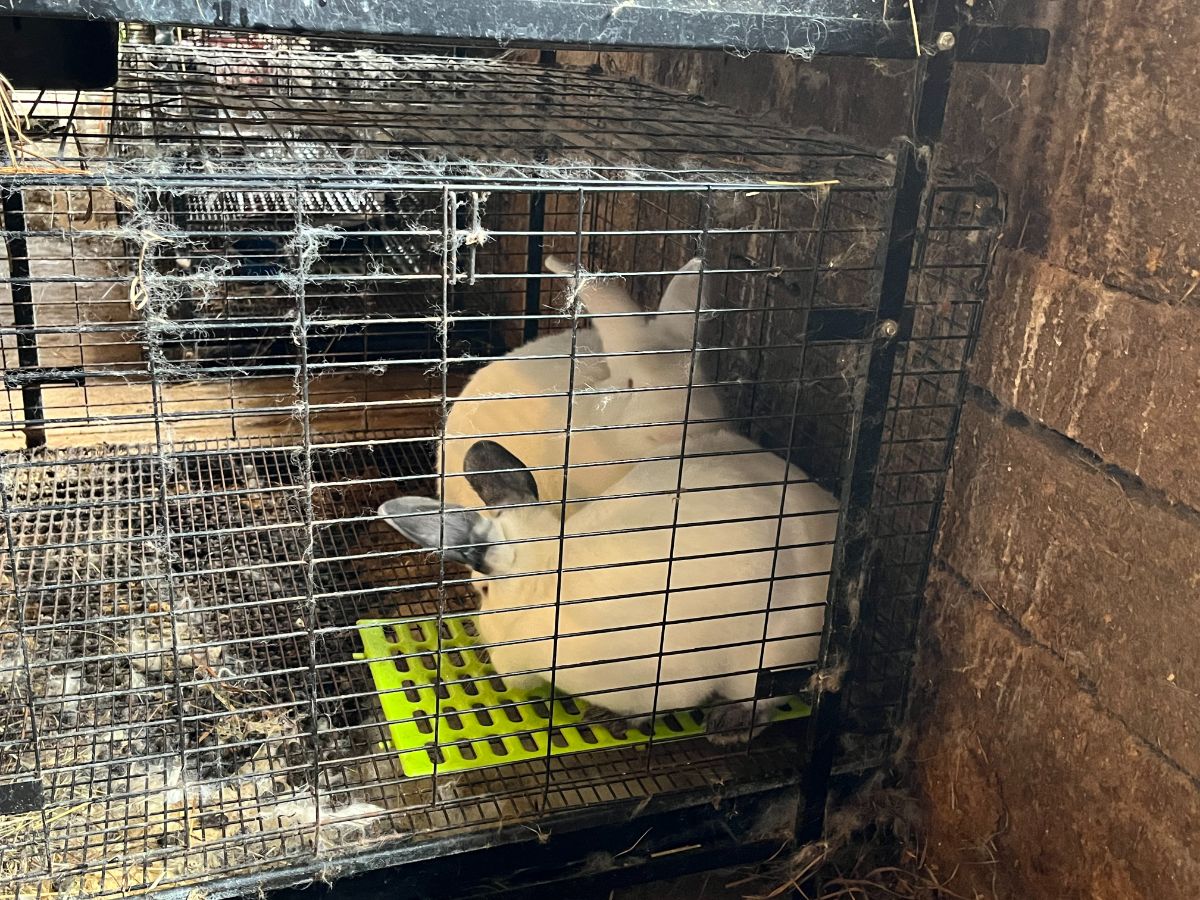
The unfortunate truth is that, as much as everyone likes to talk about things “breeding like rabbits”, breeding rabbits doesn’t always go right. This is not just a meat rabbit issue; it happens with all rabbits.
Here, we’ll talk about what a breeding-gone-not-quite-right looks like and some of the options for correcting issues and trying again.
Jump to:
- What A (Probably) Failed Breeding Looks Like
- When to Try Breeding Again
- Options for Breeding Hard to Breed Doe Rabbits
- Consider That the Doe Might Not Be the Problem
- Infertility in male meat bucks
- What To Do If You’re Not Sure If Your Meat Rabbit Doe is Bred
- Once on Track, Stay on Track
- Future Options and Considerations for the Easiest and Best Meat Rabbit Program
What A (Probably) Failed Breeding Looks Like
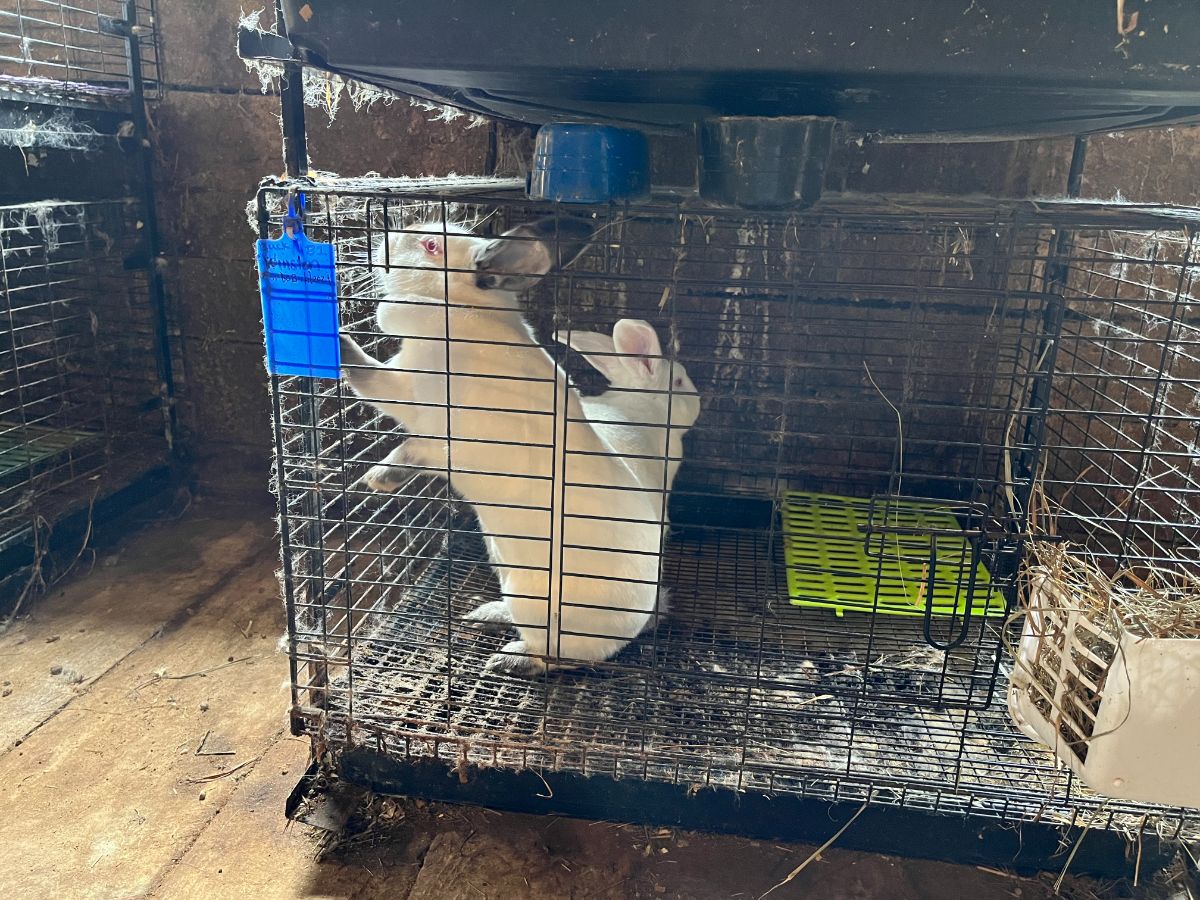
Failed breedings may take a couple of forms. You might see
- A buck that shies away from the doe or that doesn’t seem to know what to do and does not mount the doe
- A buck that seems uninterested and stays in his corner of the cage without mounting the doe
- In this case, you may also see the doe mounting or trying to dominate the buck
The above scenarios usually occur with young, unproven bucks. Most of the time, they just need time to mature. If they’re just barely breeding age (five to six months is about the earliest bucks might be reliable for meat rabbit breeds), wait a month and try again. If the buck is seven to eight months or older, continue exposing does to him until he gets the idea. Once he has it, he won't usually lose it.
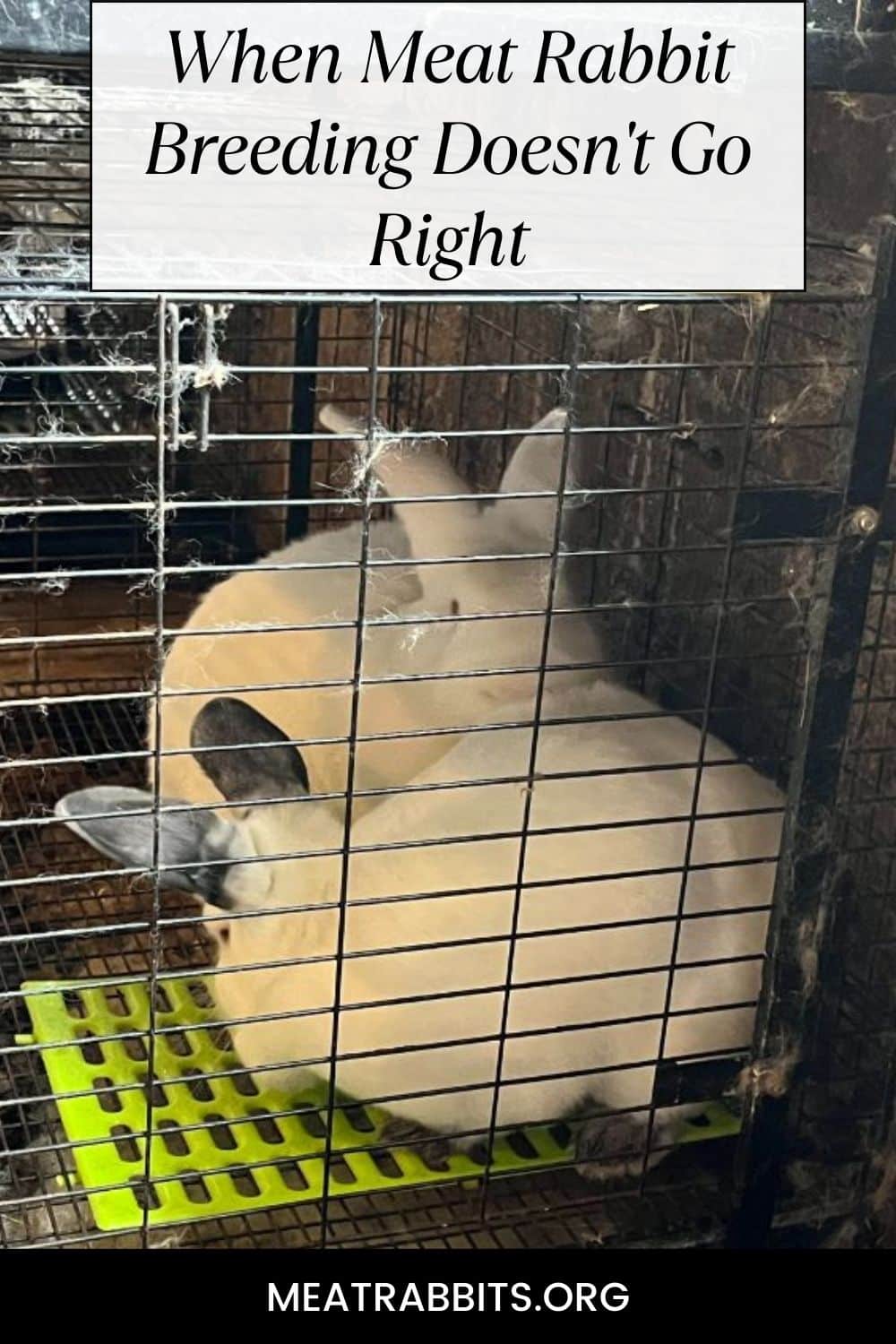
What you’re bound to see most often is a doe that does not want to lift for a buck. When this happens, the buck will usually mount her and move as a buck should, but he can’t penetrate to deposit sperm. Instead of ending with an obvious “fall off”, he will simply stop and step off the doe. He will probably try again, and then again and again, taking breaks when he tires but trying repeatedly nonetheless.
A fall off is a sign that the buck was successful in depositing sperm. It’s a pretty reliable sign of impregnation 99% of the time. If you see a fall off, consider the doe bred. Until you see a fall off, it can be difficult to tell one from an unsuccessful mounting, but once you see it, the difference is clear.
This is what a rabbit fall off looks like:
When a buck doesn’t fall off, it’s usually because the doe isn’t allowing him to. You might see the doe:
- Hide in the corners of the cage
- Stay hunched and rounded in the back, with her tail tucked underneath her
- Running around the cage to get away from the buck (some running and chasing and is a normal mating dance, but if it goes on for long and the buck can’t catch or mount her, it’s a sign that she is unwilling)
- The doe keeping her tail end away from the buck
- The doe not flattening and lifting her tail end up
- The doe not staying still for the buck
- The doe presenting as generally uninterested, shy, or bothered
Stay with your rabbits while they are together so you can observe and see fall offs if they happen and to ensure the safety of your rabbits while they’re together.
When to Try Breeding Again
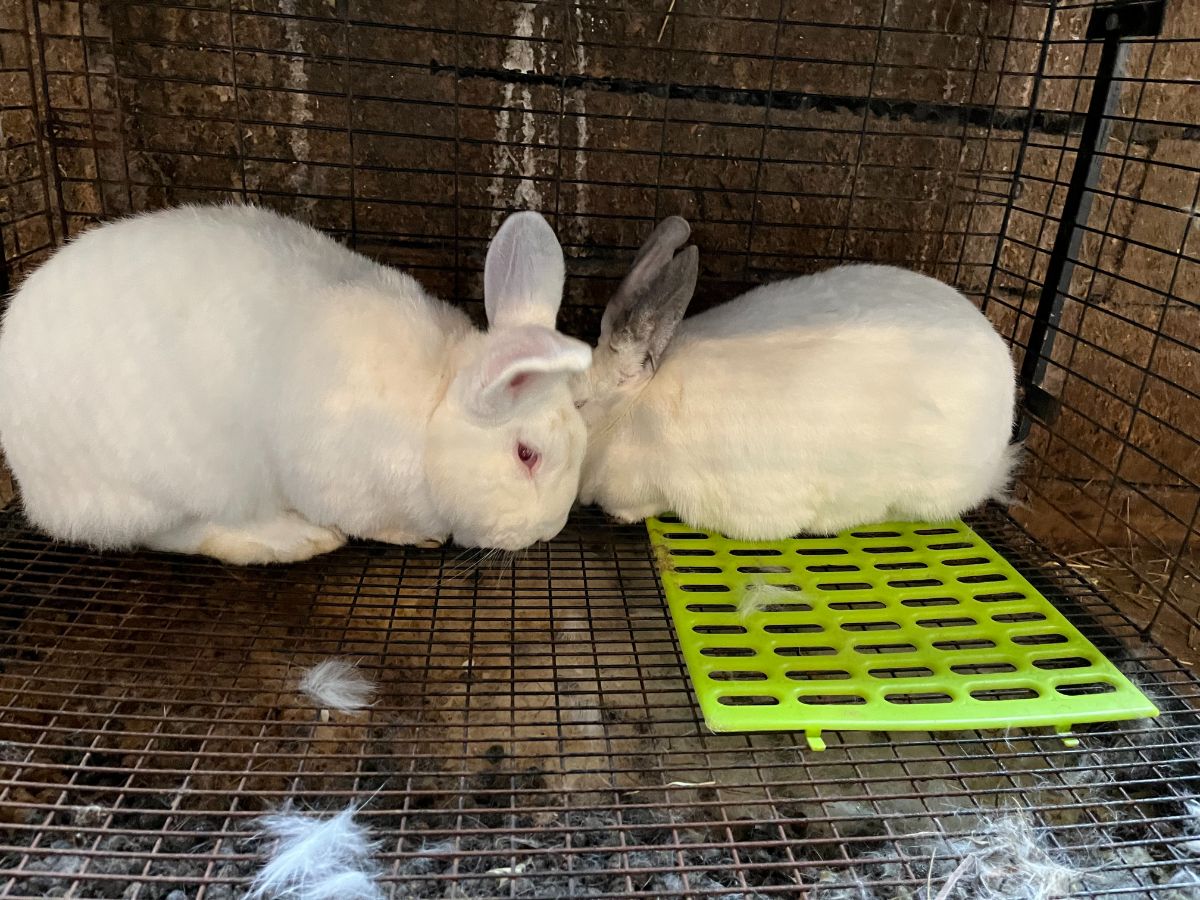
If the doe doesn’t stand and you see no fall offs, you should retry the breeding again in eight to twelve hours. If you still have no fall offs, you can continue on this schedule for a day or two, but at that point, it’s probably time to take a break. You might try again in one week. You can expose her for a few days again at that time.
If at any point you put the doe in with the buck and she becomes aggressive, remove her immediately. If she has been exposed to the buck before, there is a good chance she is bred. Rebreeding a bred rabbit can cause abortion, either now or in the weeks around birth (rabbits are capable of carrying two different litters in each uterine horn at the same time, but one litter will almost certainly abort so you want to avoid this at all costs.)
At any rate, you do not want to keep fighting rabbits together. It’s better to wait out a possible pregnancy and to lose a month of breeding than it is to castrate your male or lose one or both of your breeders.
Options for Breeding Hard to Breed Doe Rabbits
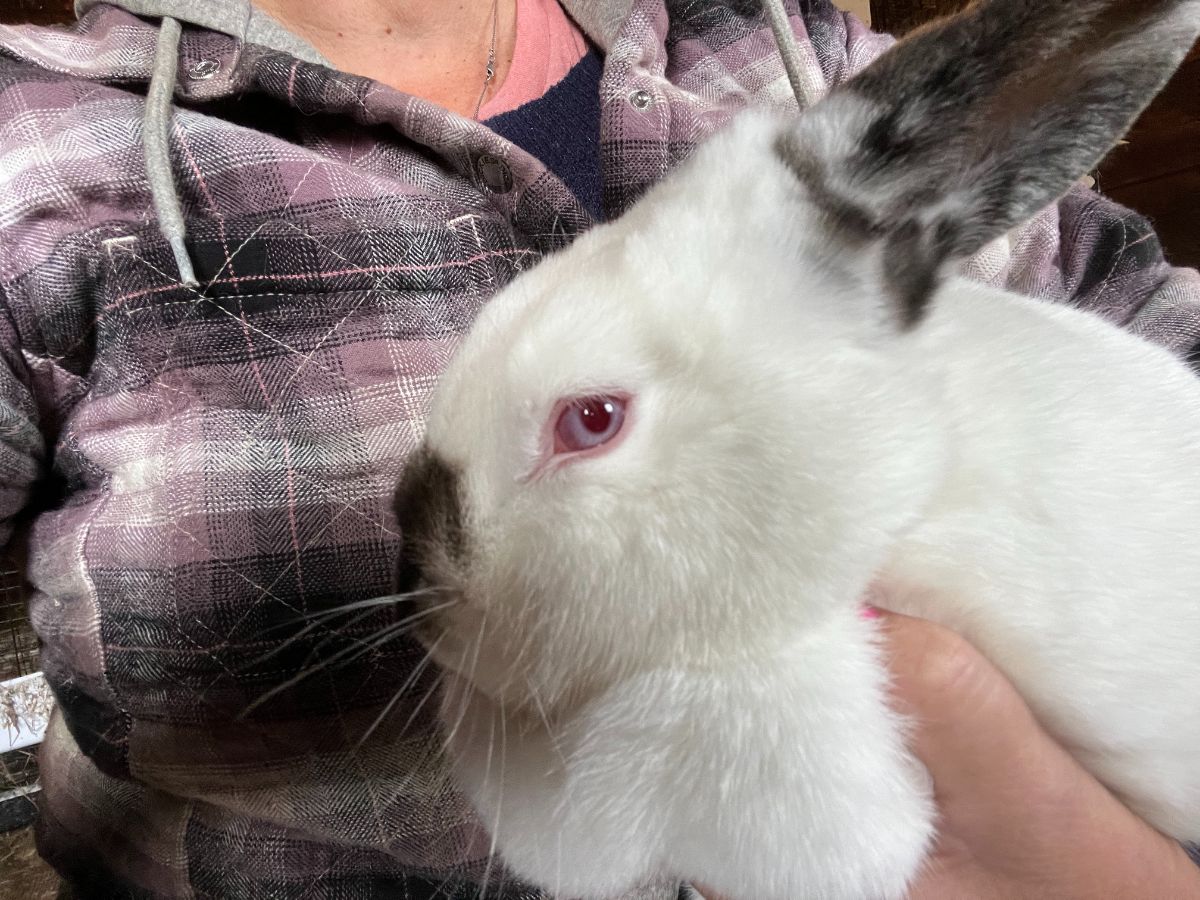
Spend some time talking to rabbit breeders, and you will find there are many tips and tricks people use to coerce a doe to lift and breed. Some of these make more sense than others, but you are sure to find someone who swears that these tactics work. In my experience, they work to varying degrees.
I’ve listed what I consider to be the most effective first, then continue down the list. You can try these interventions at any point when (or prior to) breeding problem meat rabbit does.
- Put the doe (and maybe the buck) on a diet for a week or two or longer if necessary. Overweight, fat does pack fat around the reproductive organs and may have difficulty conceiving or releasing eggs. Being overweight can affect their drive and willingness, too.
- Manually assist with the breeding by moving the doe into a lifted position. Flatten the doe out on her belly, keep one hand pressed on her back over her shoulders, and lift under and upwards at the abdomen to open her up and present her to the buck.
- If the weather is hot, wait until it cools down or breed early or late in the day when it’s not so hot. Rabbits don’t do heat well, and when it’s hot, they have enough to do just staying cool and comfortable. And they’re not likely to want to add an activity as physical as breeding to that list. They may not even eat much in hot weather.
- Use the “rubber band method” to keep the tail lifted and allow the buck access to the doe
- Put the buck in the doe’s cage and the doe in the buck’s cage overnight, then bring them back together to mate in the morning—in the buck’s cage. The shared scents should induce breeding.
- Feed supplements to increase the doe’s intake of Vitamins E and A. Feed a small amount of sunflower seeds (about a tablespoon) and/or a bunch of green leafy greens to the doe for four or five days, then try again. (Take care feeding does fresh foods like leafy greens if they are not used to them and only feed a small amount—fast introduction of fresh greens to a rabbit that hasn’t had them can cause bloat. The sunflower seeds are the more important part of this, so you can skip the greens if you’re unsure your doe can handle them.)
- Increase light so the rabbits get between 12 and 14 hours of light per day (longer days should stimulate spring-like day length to enhance the doe’s willingness and fertility)
- Feed raspberry leaves or dried Raspberry tea the night before and breed in the morning (about a tablespoon of leaves/tea). Because the greens are dried, this should not cause bloat or upset as fresh leafy greens might.
- Put apple cider vinegar in the water for a week before breeding (about a tablespoon per gallon)
- Take the doe for a nice car ride (this has never worked for me, but others swear it works)
At the end of the day, the goal is to get your rabbit bred. Considering that none of these breeding assistance methods are harmful or costly, and all you have to lose is some time and effort, they’re worth trying. You might try more than one (which might make it hard to figure out what works, but as long as the job gets done, that’s what matters).
Or, you could opt for a wait-and-see approach and breed your doe in a week or so when she hopefully will be more willing, and things will work more as they should.
Consider That the Doe Might Not Be the Problem
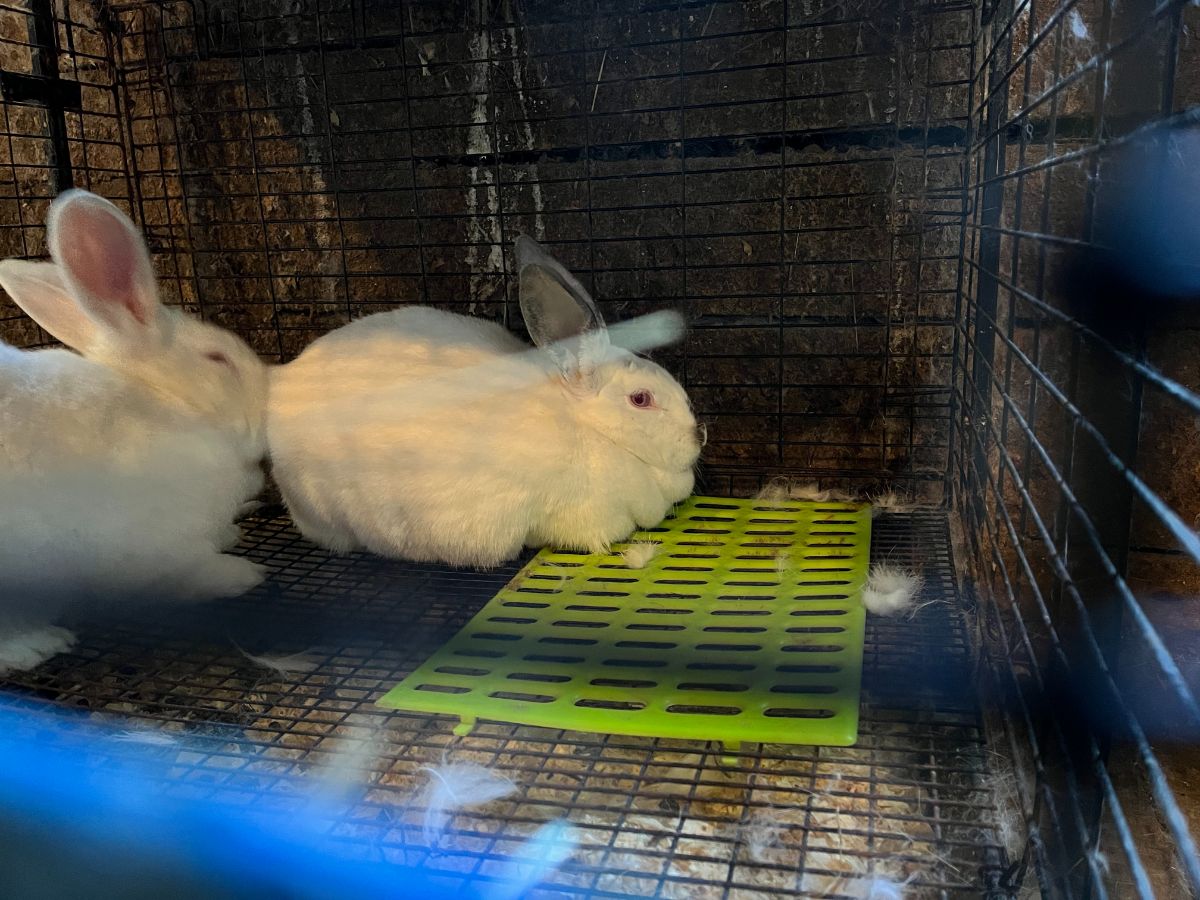
Not all breeding problems lie with the doe. Sometimes, the buck is to blame. Some reasons a buck may not breed successfully include:
- Overweight
- ...Which means he may be out of shape and does not have the stamina to stick with it to get the job done
- Shy or disinterested (usually an issue of a young, inexperienced buck)
- The doe doesn’t like him (not a very common occurrence, but it happens sometimes that does prefer other bucks. Try another buck and see if she lifts and breeds.)
- Infertile
Infertility in male meat bucks
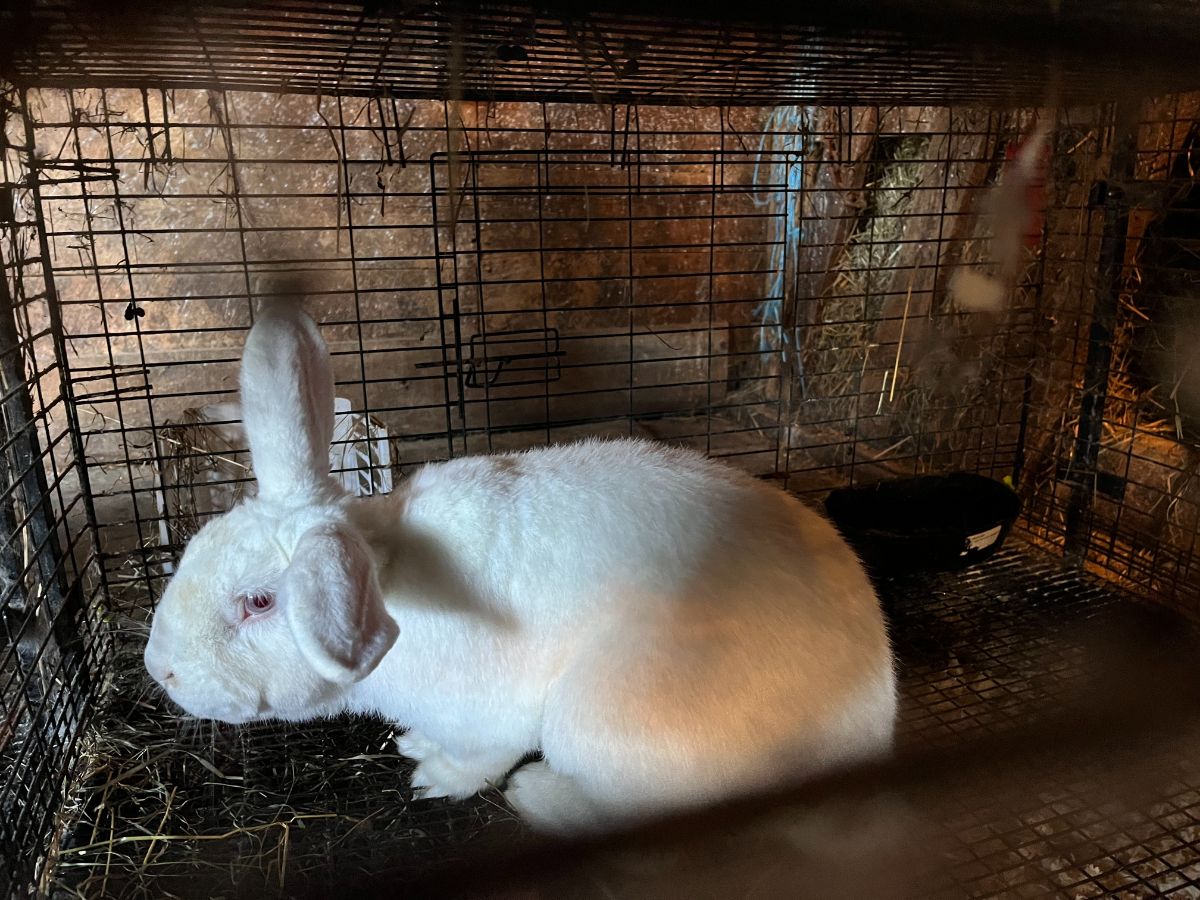
This is more likely the case if you see fall offs, but the doe never has kits. With just a pair of breeders, it’s hard to say who is infertile, but if you have a buck service, two or more does with fall offs and none get bred, your buck is probably the problem. Replace him or try another buck.
Before you replace your buck, do consider that heat sterility really is a thing that can happen with male rabbits. Rabbits don’t sweat, and they don’t shed heat well, so male rabbits are susceptible to becoming sterile when it is very hot and when the heat lasts for more than a few days.
A day or two of high heat isn’t usually enough to cause this, but if you experience high temperatures of over 85 degrees Fahrenheit (29.5 C) and that heat lasts for three or more days, your buck might be temporarily sterile from the heat.
Fortunately, the condition is temporary. It can take up to three months to clear up, though. The best way to get a buck to rebound from heat sterility is to breed him—clean the pipes of dead sperm, so to speak. Another case is where practice should make perfect.
If you suspect that your buck is sterile from high heat, continue your breeding program as usual. If you don’t have successful litters within three to four months, he is either not recovering, or something else is wrong, and the buck should be replaced.
Also, know that the first litter or two after heat sterility might be small, but a small litter is a sign of recovery, and the next litters should be normal size (as long as prolonged heat didn’t cause a setback).
Providing shade, breeze, and airflow in the summer to help bucks stay cool can help prevent or minimize heat sterility. Keep this in mind as you plan your rabbitry, rabbit housing, and placement.
What To Do If You’re Not Sure If Your Meat Rabbit Doe is Bred
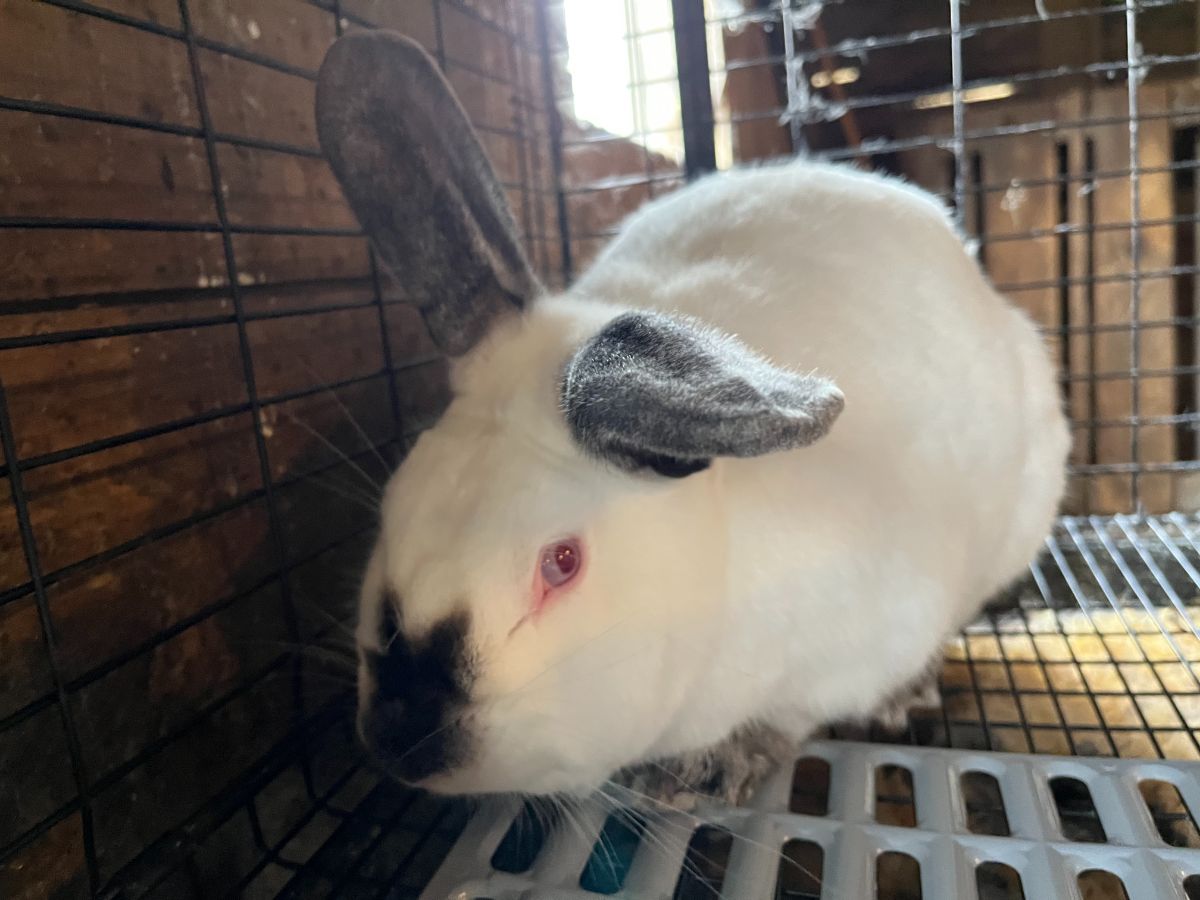
It is very difficult to tell if your meat rabbit doe is bred or not. It is especially hard for a beginner meat rabbit keeper to tell.
Your doe’s behavior, as discussed above, can be a sign of possible pregnancy (not a sure sign, but a sign to consider).
You can also try palpating the doe’s abdomen along the underside and to the sides to see if you can feel growing kits.
At around two weeks, developing kits will feel like marbles or like firm grapes. You won’t be able to feel them for 10 to 14 days (halfway through a rabbit pregnancy). Palpating is also a difficult skill to master and is unreliable unless you become very skilled at it.
The best thing to do is to treat all mated does as if they are bred, even if you don’t think they are. Provide a nest box with nesting materials on day 28 after the first exposure to the buck. If she treats it like a litter box or ignores it for several days, she’s probably not bred, but wait until 35 days after the last exposure before you take out the box.
If the doe starts to pack the nest with hay to make a burrow, keep your eyes out for kits from day 31 on. With nesting activity, there’s a solid chance she is bred (and a very slim chance of it being a false pregnancy).
Fortunately, the gestation period for rabbits is very short—only about a month. The range for gestation in meat rabbits is 28 to 35 days*, with day 31 or 32 being the most common day that rabbits will give birth (mine are consistently 31 or 32 days, and most of them go 32 days exactly).
Time is the most telling and only really sure way to know if your doe is bred. Luckily, even if she’s not, you won’t lose more than a month in waiting. As soon as you’ve decided she’s not pregnant, breed her again. No need to wait any longer.
(*After day 35, post-exposure/breeding is the norm, though some breeds may go as long as 40—not usual for your common meat rabbit breeds, but for this reason, some breeders will wait out 40 days before breeding the doe again.)
Once on Track, Stay on Track
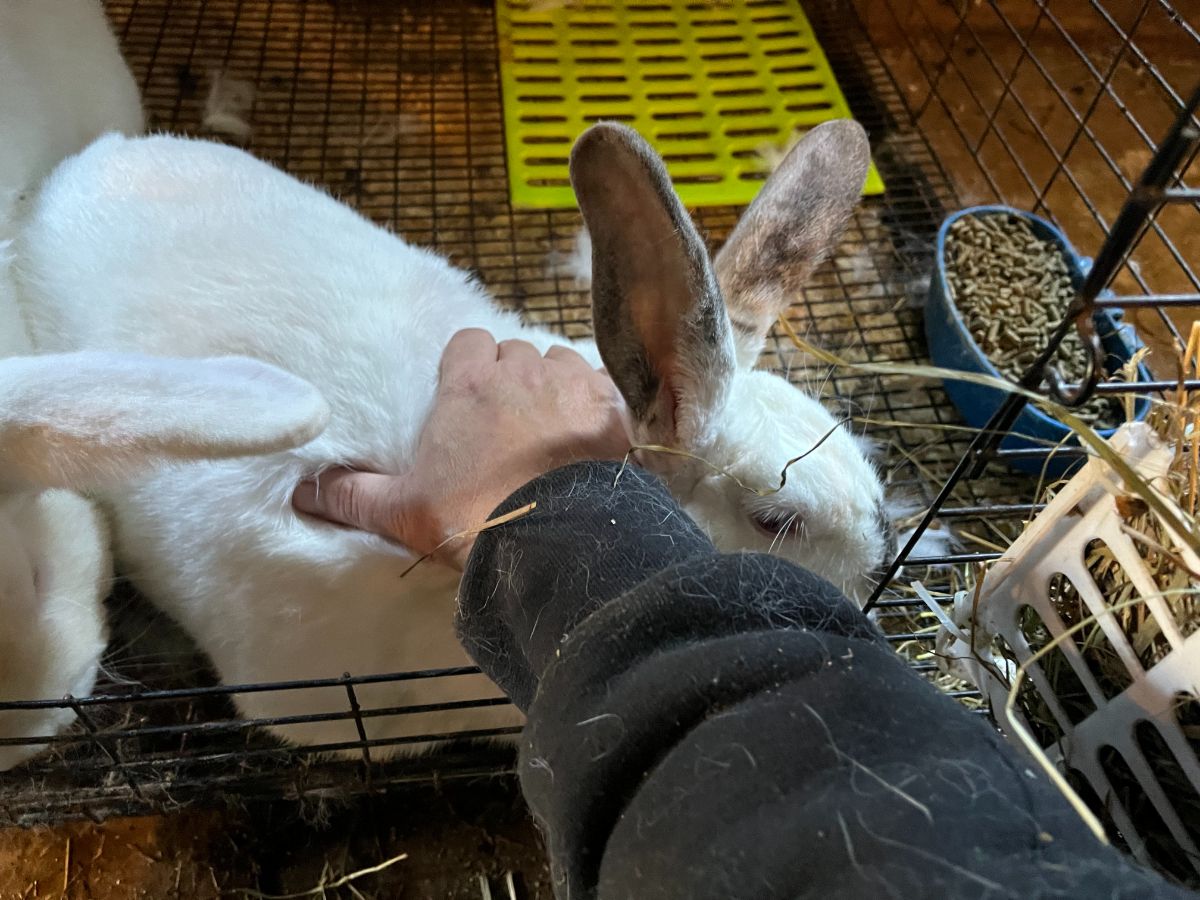
Once you are successful in getting your doe to breed, keep her on track by breeding her regularly. It is much harder to get a doe back on track after a long break. Many factors come into play, one of the most common being poor condition and overweight, reducing fertility, and, therefore, willingness to breed.
Because rabbits are prey animals, they are naturally designed to breed in high numbers and to breed frequently. Their bodies plan to put feed resources to work, making more baby rabbits. When they’re not reproducing, the resources are wasted in fat and loss of optimal breeding condition.
A doe rabbit can technically breed as soon as the day after they kindle. This is not an ideal breeding program, but some breeders do breed as frequently as four weeks post-kindling. Waiting six to eight weeks is more normal and is less stressful on the doe, allowing her to stay in good condition. But you don’t need to wait any longer than that, and if you do, you’re probably doing more harm than good.
Don’t feel like frequent breeding is cruel to your meat rabbits. It’s better for them functionally, and it’s what rabbits are designed to do.
Future Options and Considerations for the Easiest and Best Meat Rabbit Program
If a doe continues to give you problems, or, for that matter, if a buck gives you problems or simply fails to fertilize does’ eggs, you need to make the difficult decision to cull them and replace them with better breeding animals.
Your selection and culling criteria are up to you but keep in mind that it costs just as much to feed a productive meat rabbit as an unproductive one. Every breeding miss is a loss of food for you and your table (or for sales if that is your goal). Whereas it’s reasonable to put in some extra effort and try rebreeding a doe after a missed pregnancy or two, if the problem goes on for three or more months, it’s time to consider bringing in a new breeder.
For me, I favor does who do not require intervention and assistance at all. It might be one thing to intervene to get a young doe going or to get a good, proven doe back on track after a break, but if the issue is prolonged, I will cull to make room for an easy-breeding, good mother.
Follow the general rule of the meat rabbit world, where with three strikes, you’re out. This strikes a good balance of production and a chance at development without it becoming too large a loss to overcome.


Connie Zimmer
I'm wowed that y'all can process 15-20 rabbits in an hour & a half. Searched your yt page for a processing vid, but found none. I'd LOVE to see y'all in action, like a how-to process video!
I started raising meat rabbits 3 1/2 yrs ago & can only do 3-5 (by myself) in 1-1 1/2 hrs. Always interested in doing better.
Thanks in advance for any tips'n'tricks. 🙂
Mary Ward
A lot of it is practice and repetition. When we did that many, we had two people butchering and eviscerating. I sometimes do that but usually I am running rabbits out and holding while they are dispatched, and that also helps keep things moving. Most of the time, it's two of us processing a set of 10 or 11--my husband butchering while I run the rabbits. If you're working all on your own, I'd say you're not doing too badly!
We will in future do some processing videos, but in the mean time I can leave you links to what we used and where we learned our process.
My first recommendation is the processing course from Alyssa at BHA rabbitry/homestead rabbits. This is a nice and complete course that taught us a lot, start to finish.
https://courses.homesteadrabbits.com/
The second is this video done by a professional rabbit raiser and butcher. A similar process but we picked up a few extra tips that worked well, too.
https://www.youtube.com/watch?v=4K9obs_MSt0&t=26s