
Line breeding is not uncommon in meat rabbits. You might go as far as to say that it is common. In fact, at some point, probably all rabbits have some degree of line breeding in their lineage.
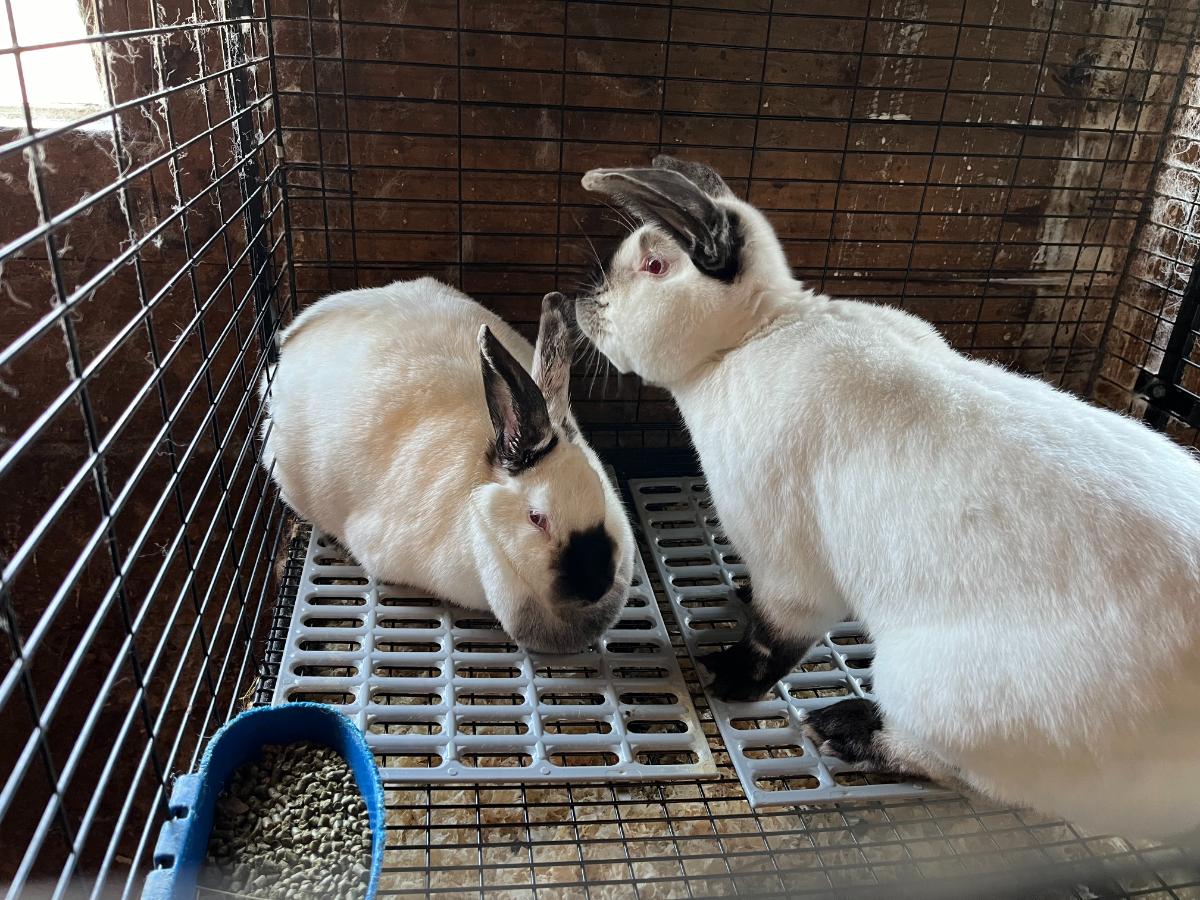
There are a lot of different opinions on line breeding rabbits.
The resistance to line breeding or to breeding meat rabbits that share some genetic lineage comes largely from our attitudes about breeding in larger animals and pets, where it has more impact.
Animals that naturally disperse and breed over wide areas, or domestic animals whose ancestors do, are the foundation of many of these animals, and for them, it is much more frowned upon.
It can be difficult as a new rabbit breeder to overcome this ingrained attitude and practice of avoiding linebreeding or breeding animals together with first or second-generation shared relatives. When you see how common, accepted, and biologically normal this is in rabbits, breeding related pairs of rabbits will become more of an acceptable notion.
Jump to:
- What is Line Breeding and Inbreeding in Meat Rabbits?
- Line Breeding is Less of An Issue in the Meat Rabbit World
- The Bottom Line on Linebreeding Meat Rabbits
- No One Real Answer
- Why Would Breeders Consider Line Breeding?
- Growing Your Rabbitry in Stages
- Line Breeding Amplifies Traits -- Good and Bad
- Breed the Best to the Best
- Eat the Rest
- Know Your Goals and Purposes for Line Breeding
- What Experts Like Bob Bennett Say
- Commonly Accepted Line Breeding Pairings, Avoided Pairs
- How Important are Pedigrees?
- Reading and References for More Information:
What is Line Breeding and Inbreeding in Meat Rabbits?
Line breeding is when you breed related rabbits together that share an ancestral line. Examples of this may be
- Breeding rabbits with the same dam and sire, perhaps littermates, perhaps rabbits from different litters, but with
- Breeding a father to his daughter or a mother to her son
- Breeding rabbits that share a common parent, such as rabbits from the same doe but with a different buck as the father, or rabbits from two different does that were bred to the same buck
Inbreeding would typically refer to breeding very closely related rabbits, like siblings or littermates. Parents to sons and daughters can be considered inbreeding. The two terms are close in meaning, and at some point, it is semantic hairsplitting. At least, it can be unimportant if you focus on the most important things about either line breeding or inbreeding.
Line Breeding is Less of An Issue in the Meat Rabbit World
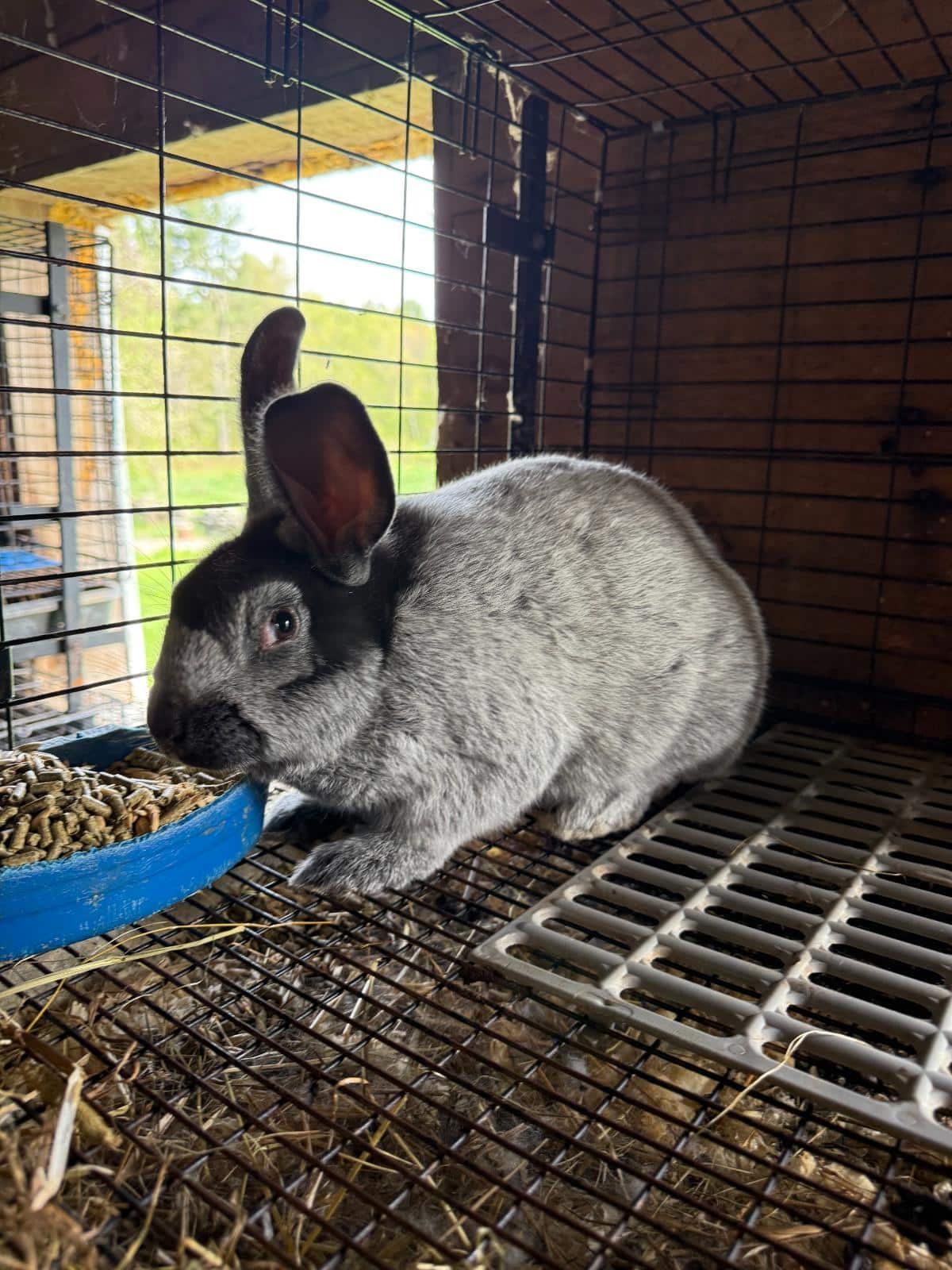
While some people consider all close relation breeding inbreeding, and while this is the case in the larger animal world, in the rabbit world, breeding related animals is much more acceptable and much more common.
As prey animals, in the wild, rabbits naturally tend to breed with closely related animals because they never venture very far from where they are born, and so the genetic pool is not very diverse.
According to the Massachusetts Audubon Society, cottontail rabbits spend their entire life in an area of about one and a half acres or less.
All meat rabbits are descended from the European rabbit. In the wild, these rabbits typically disperse only about three-quarters of an acre to two acres from where they are born. Wider dispersals tend to occur only when there is not enough habitat to support them.
One study showed that males were more likely to disperse into new and farther territories, while females dispersed away from their natal base less often. Females that dispersed only into adjacent territories (staying closer by) were more productive and had more offspring.
Once the rabbits disperse as young adults, they remain in the same roughly one-acre area for life. They tend to choose areas by reusing preexisting burrows.
The takeaway here is that in the wild, rabbits do not move far, and the genetic pool could essentially be considered one of linebreeding, or very near to it.
The Bottom Line on Linebreeding Meat Rabbits
No One Real Answer
This is one of those topics, those questions, for which there is no one single answer. This is because, taken as a whole, there is a wide range of what is considered acceptable, and overall, linebreeding in the meat rabbit world is not considered taboo in the way that it is in other types of livestock.
This goes back to the biology of rabbits, the fact that they are prey animals that rapidly reproduce, that there will always be many specimens from which to make selections, even if they are related, and that rabbits don’t show the detrimental results that larger livestock and pets might show if bred too closely for too long.
Seeing little effect of close breeding, many breeders overcome their aversion to breeding related rabbits. Others cannot get comfortable with the thought. Both are right. At the end of the day, your comfort level with line breeding and breeding-related rabbits is what should guide your decision.
Why Would Breeders Consider Line Breeding?
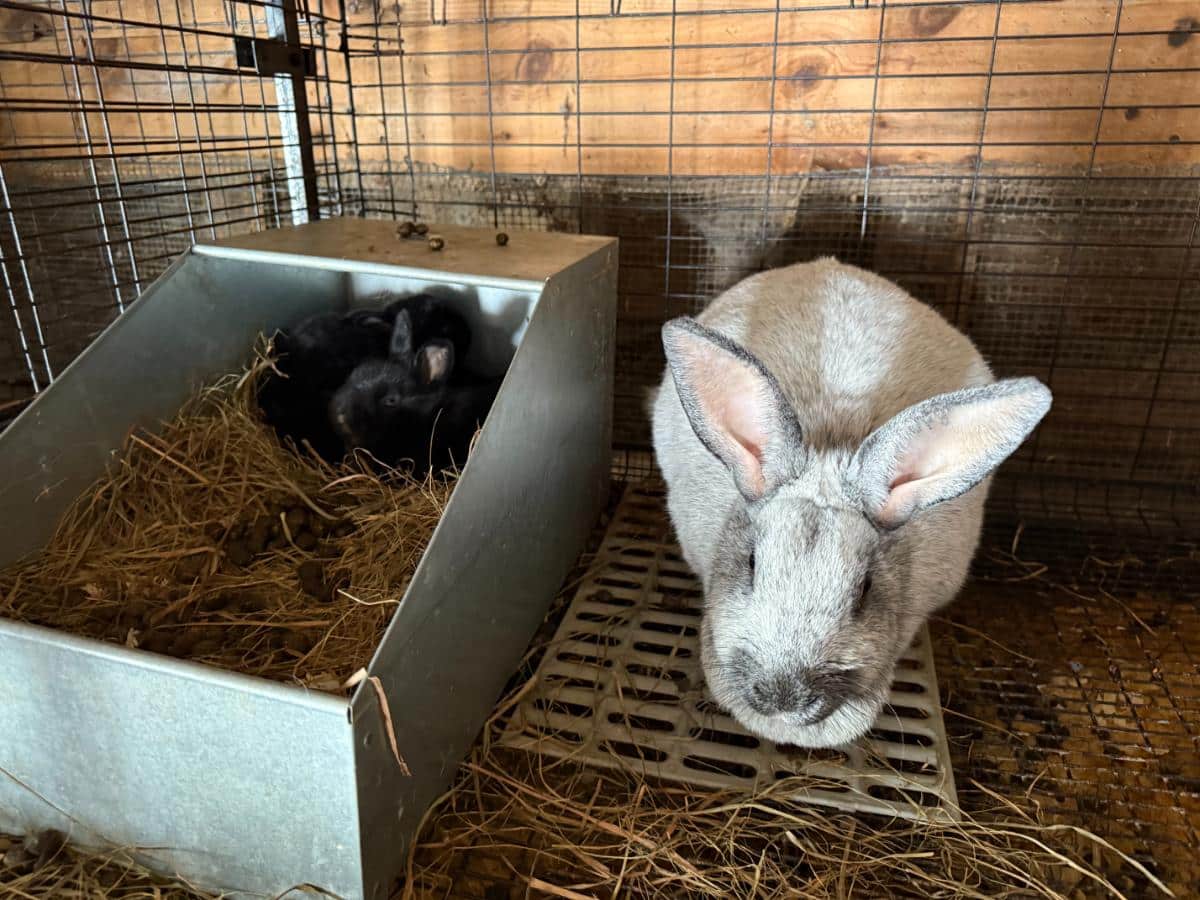
Line breeding can “lock in” good traits in meat rabbit offspring. When it is done right and done well, this is the result.
If you have, for example, been working to improve the growth rates of your meat rabbits, you might select the biggest and best from the litters that are born to you, and then breed them back to the mothers and fathers that had the best growth rates or largest adult size.
You might do the same to increase haunch size, or hardiness, or a number of other traits. For example, if you have problems with weaning enteritis, maybe you would breed the unaffected littermates to hardy specimens from a previous litter, or back to a buck whose offspring more often than not do not experience illnesses at weaning.
It is common for linebreeding to be done to improve body conformation, climate hardiness, or to lock in the color genetics. Color is one of the more variable traits in rabbits, and there is a lot of recessive gene expression involved, so breeding together the colors that you want to stabilize may be more easily and reliably done this way.
Of course, this is a generalization and only an overview of how to stabilize, promote, and lock in traits. There are some very knowledgeable breeders who understand a lot about gene expression and how to line breed to achieve goals in your rabbitry - from the very basic to the more complex.
Limits in available replacement breeding stock
Another common reason to breed rabbits that have some genetics in common is that you can maintain a virtually (if not completely) closed rabbit herd this way.
It is not always easy to obtain good-quality new and replacement breeding stock. This is especially true for people who are keeping the less common or threatened breeds of meat rabbits. Breed availability can vary a lot depending on local availability.
So, being able to relax some of the “rules” of breeding related animals makes it easier to keep a rabbitry going.
Growing Your Rabbitry in Stages
Close breeding as a biosecurity and sustainability measure
As long as your rabbits are healthy, productive, quality rabbits, there is no reason you can’t keep your rabbitry moving forward this way. In the long run, you might choose linebreeding or near linebreeding as an economical choice, or even as a biosecurity decision. After all, any time you bring in a new rabbit from elsewhere, there is a risk of introducing hidden genes or issues, or of them carrying parasites or illnesses you do not have in your rabbitry.
Line Breeding Amplifies Traits -- Good and Bad
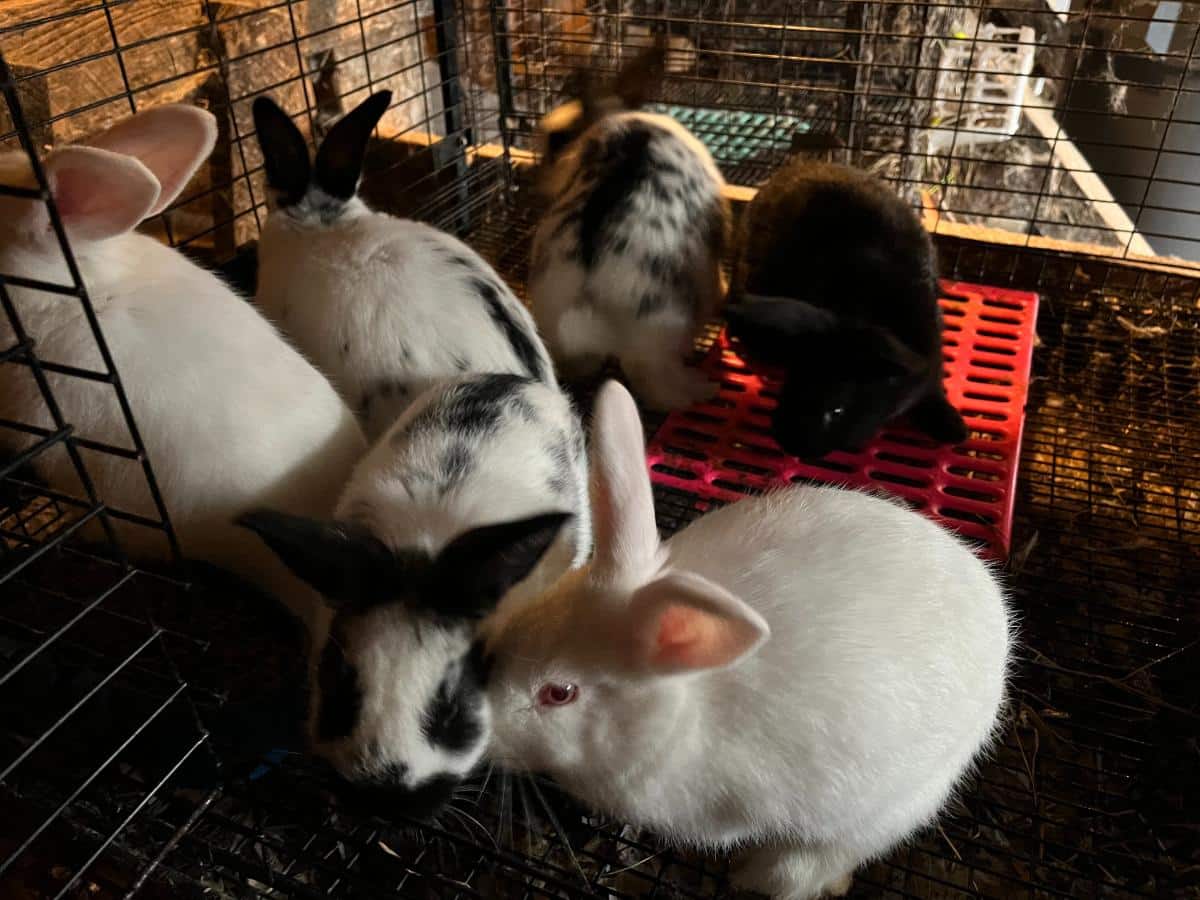
“If it works, it’s line breeding. If it doesn’t, it’s inbreeding.”
This is a common saying, a very old adage, in reference to breeding related lines of rabbits. You can take this to mean different things, but the bottom line is to focus on what works. What is good coming out of your breedings?
Poor traits and performance will tend to be amplified when line breeding or breeding close relations. On the other hand, good traits and hardiness will, too.
Amplifying negative traits can be avoided fairly easily through good selection, honest evaluation of your animals and the traits they are expressing, and culling.
Do not breed two animals with the same poor performance or traits. Do breed animals with complementary quality traits.
Make good, careful pairings. If something arises from a particular doe-buck pair, stop breeding those two animals together. Do not keep their offspring for breeding, either.
Select well, cull heavily
The key to inbreeding is to pay close attention to breeder selection. Be prepared to really evaluate your offspring, and consider only those that are strong, healthy, and carrying the traits you want the most. Everything else is a cull, meaning that they will not be kept as breeding stock. Their line ends with them.
If you are willing to rigorously select stock for possible breeding, then there is no reason why line breeding or breeding closely related rabbits should be a negative experience.
The same goes for breeding stock that you sell. If the rabbit does not make the selection cut for you, it should not make the selection cut for anybody. Not if they are being selected out because they are displaying unacceptable characteristics or traits.
If you have more than one strong candidate in a litter, it is fine to sell and pass those genetics on. But this is only if it is an animal you are selling because you have selected it as a quality rabbit, or one that you would happily breed yourself, except that with rabbit numbers, you simply cannot keep them all.
The point is? A cull animal is a cull animal. That is not something that you let become someone else’s breeding failure.
Breed the Best to the Best
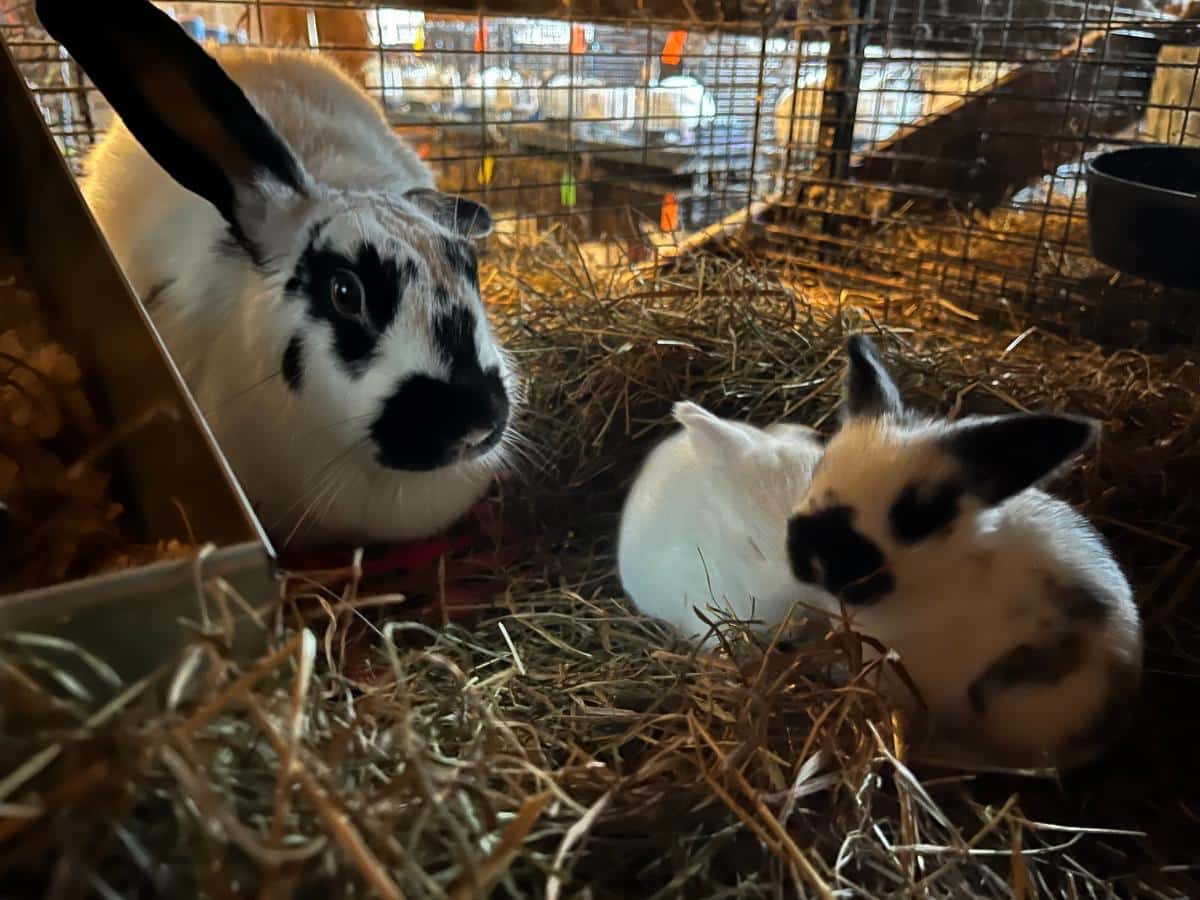
This is another common saying in the rabbit world (or at least half of it).
It is generally thought that overall, the meat rabbit world gets further ahead by not concentrating on who is related to whom, but by focusing on strong performance and genetics. All those qualities we have discussed.
People sometimes focus too much on a doe and buck pairing that should be good, but that is not necessarily so.
Look first and foremost at the rabbit in front of you. That is what matters much more than the names on a piece of paper.
Eat the Rest
This is the second half of the saying:
“Breed the best to the best, eat the rest.”
It is fine if you can’t bring yourself to consider line breeding at all, but if you do consider it at all, this is the guiding piece of advice. No doubt you’ll hear it from some rabbit breeder somewhere.
The great thing about meat rabbits is that we can mix, match, pair, and experiment, and still have nothing to lose.
Either you produce some excellent breeding stock that meets your goals, or you produce food for the table. Nothing needs to go to waste.
Focus on being highly selective of the best of your litters, and plan for the vast majority of the rabbits you produce to be used as food.
Know Your Goals and Purposes for Line Breeding
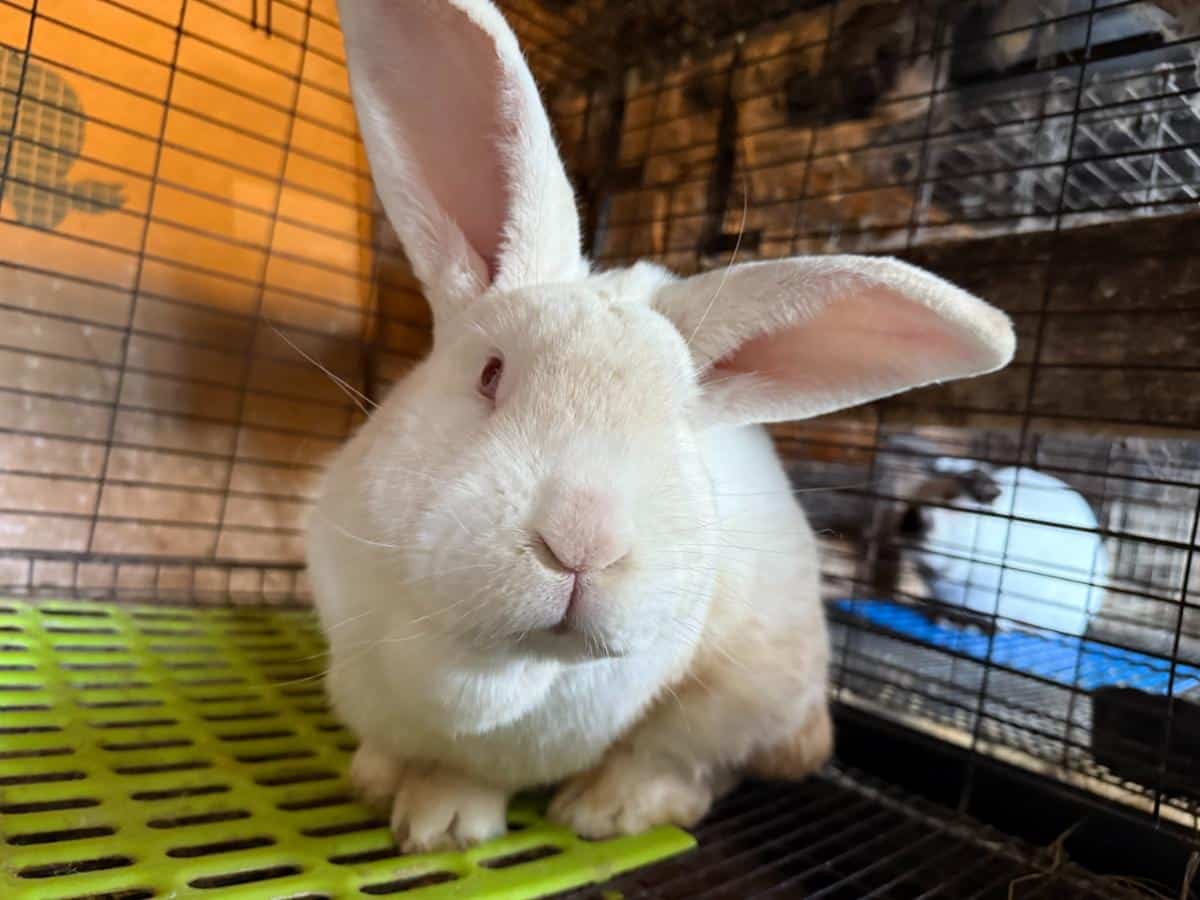
To accomplish this, focus on the goals you have set for yourself and your rabbitry. Know what your goals are:
- Do you only want to get food on the table, and don’t plan to breed any of the offspring?
- In this case, since the genetics will not be perpetuated beyond the grow out cage, virtually any pairing is acceptable
- Are you focusing on stabilizing a strong trait or eliminating negative traits you’ve experienced in your rabbitry?
- Are you focusing on producing breeding stock for sale?
- Then you need to focus more heavily on the results and what genetics will be perpetuated. It may take several generations of combinations of those animals before the traits are expressed as dominant in those lines, and before the lines are stable enough to be reliably sold as quality breeding stock.
What Experts Like Bob Bennett Say
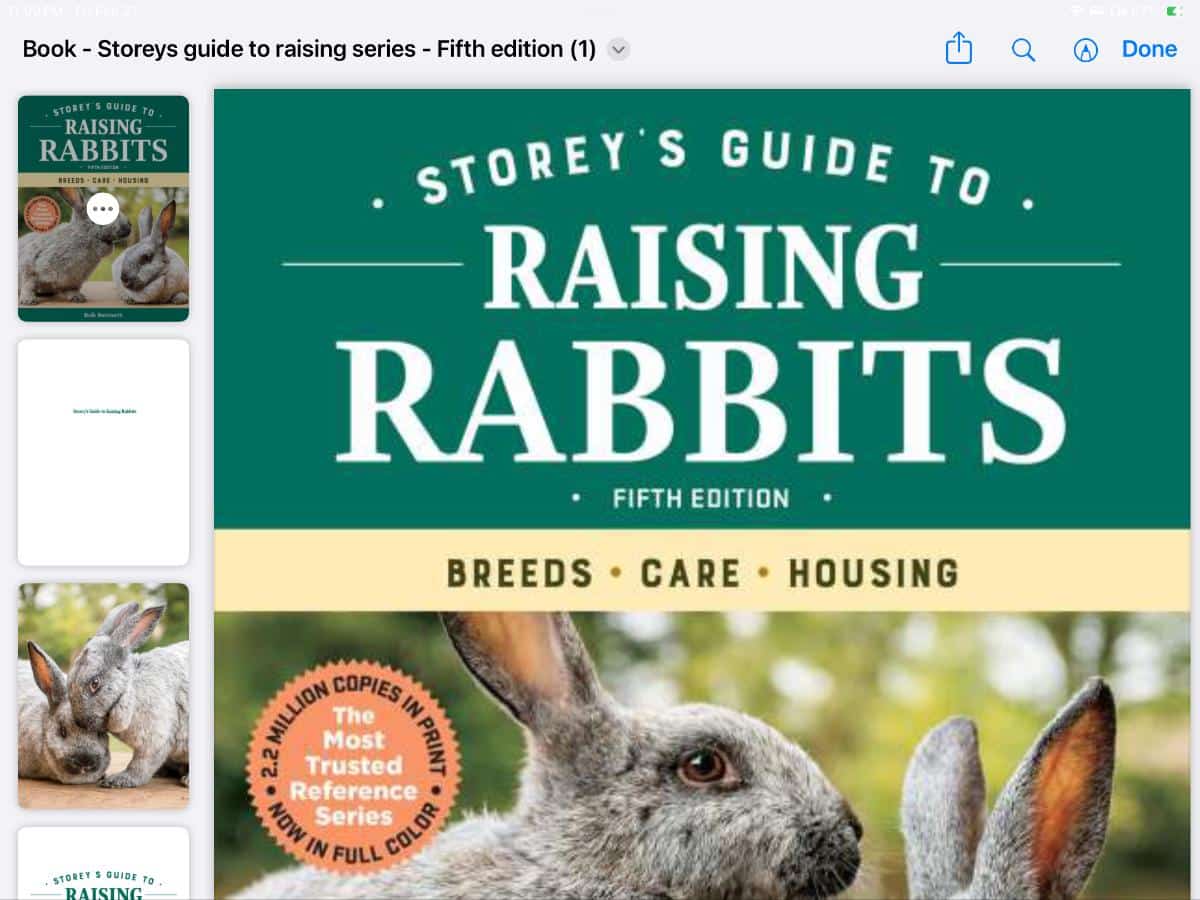
The respected Bob Bennett, author of one of the best rabbit raising resources, Storey’s Guide to Raising Rabbits, explains it this way:
Although we, as humans, “recoil from the thought of inbreeding, inbreeding can be good for rabbits because “Inbreeding accentuates existing characteristics, both good and bad. If you mate two good animals, you can produce something better. If you mate two bad ones, the results can be worse.”
His bottom-line advice is this:
“Mate the best offspring back to the best parents, and inbreed this way on a line of descent from the best. Resort to an outcross sparingly" [because outcrossing can introduce setbacks into what you’re trying to achieve].
In other words: “breed the best to the best”.
Commonly Accepted Line Breeding Pairings, Avoided Pairs
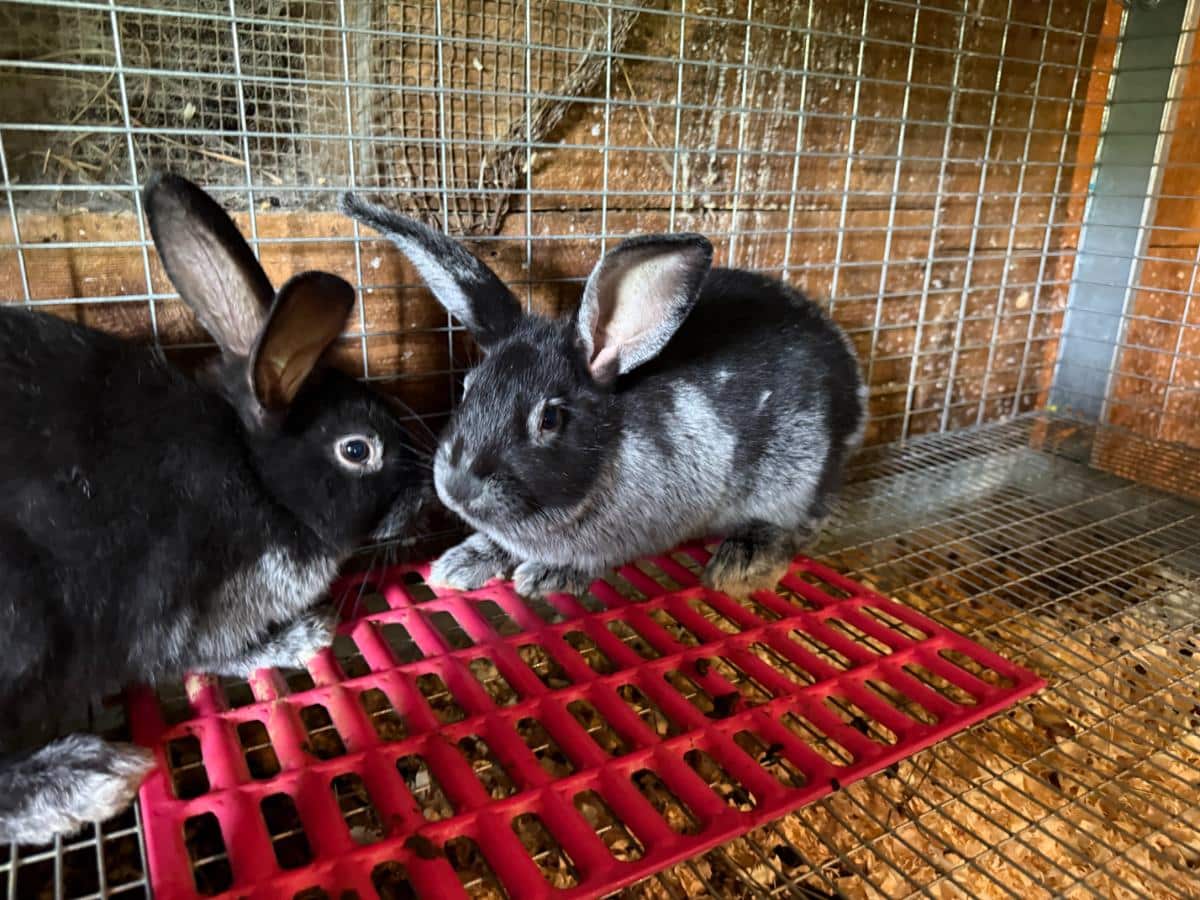
- Line breeding usually involves breeding a parent to an offspring, such as a buck to its daughter or a doe to its son
- Animals produced from litters of those offspring, basically grandchildren of the originals, may be bred back to the original buck or doe
- Other quality animals from further generations and down the line are considered acceptable pairings, typically even by those who do not linebreed
- Some breeders will breed very closely, including littermates and siblings
- If there is one more common combination that is avoided, it would be littermates and full siblings
- The only pairing that is really avoided is brother to sister, but even this is not a hard and fast rule
- Some people will consider breeding full genetic siblings together, but would avoid breeding a buck and a doe from the same litter together
- Wider combinations with shared genetics (perhaps a sire in common somewhere in the line, like a buck and a doe that share a grandfather but have different dams [mothers] are much more common, and as long as the animals are good quality, it really isn’t thought much about in rabbit pairings
How Important are Pedigrees?
Reading and References for More Information:
- Amazon – Storey’s Guide to Raising Rabbits (5th Edition) by Bob Bennett
- Wildlife Online – European Rabbit
- TAP Rabbitry – Linebreeding Meat Rabbits for Food and Profit
- Mass Audubon – Cottontail Rabbits in Massachusetts
- Wikipedia – European Rabbit
- Scientific Reports – Population Genetics of the European Rabbit Across Rural‑to‑Urban Gradients
- ScienceDirect – Natal Dispersal in the European Wild Rabbit


Leave a Reply