
In the beginning, what you know is that you want meat rabbits. You may even have a vision for how far you want to take that in the future. You may envision going all the way to becoming a large rabbitry complete with animal and meat sales, or you may just want to keep things small and simple, easily and manageably providing meat for your home.
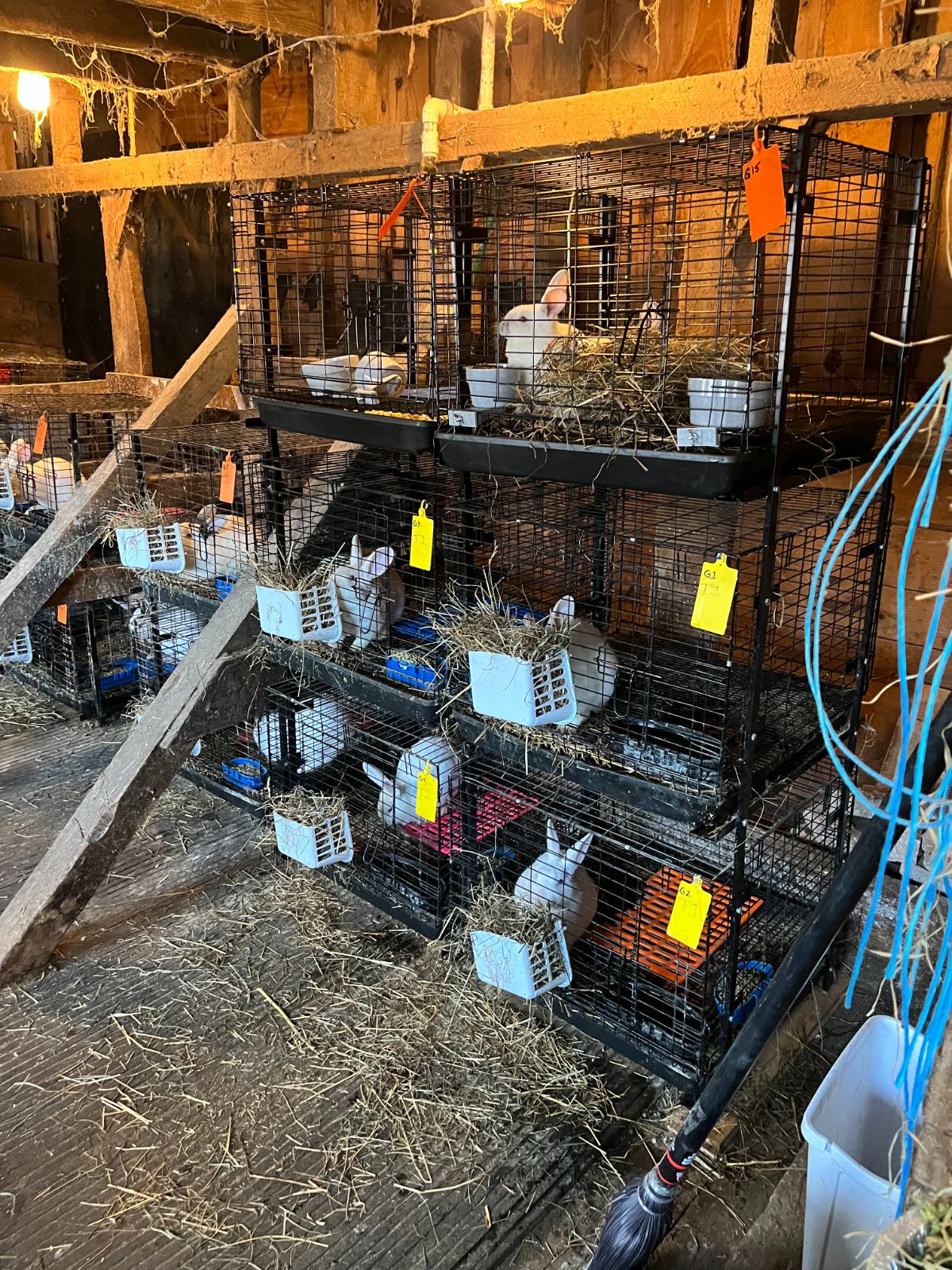
There’s no right or wrong plan for meat rabbits. But no matter what your plans are, it’s wise to build your rabbitry in stages, especially if you’re just starting out and have never raised meat rabbits before. This will give you the opportunity to learn and adjust before you’re overinvested and to spread out your costs over time.
Jump to:
- Don’t Overinvest in the Beginning
- It Only Takes Two or Three Meat Rabbits to Get Started
- When You Need to Prepare for Grow Outs
- Managing the Numbers and Handling Harvests
- Expanding Your Breeding Program (Or Not)
- Demand for Meat Rabbits May Surprise You
- Let Your Goals and Interests Guide You
- Anticipate Your Needs in Time to Grow
Don’t Overinvest in the Beginning
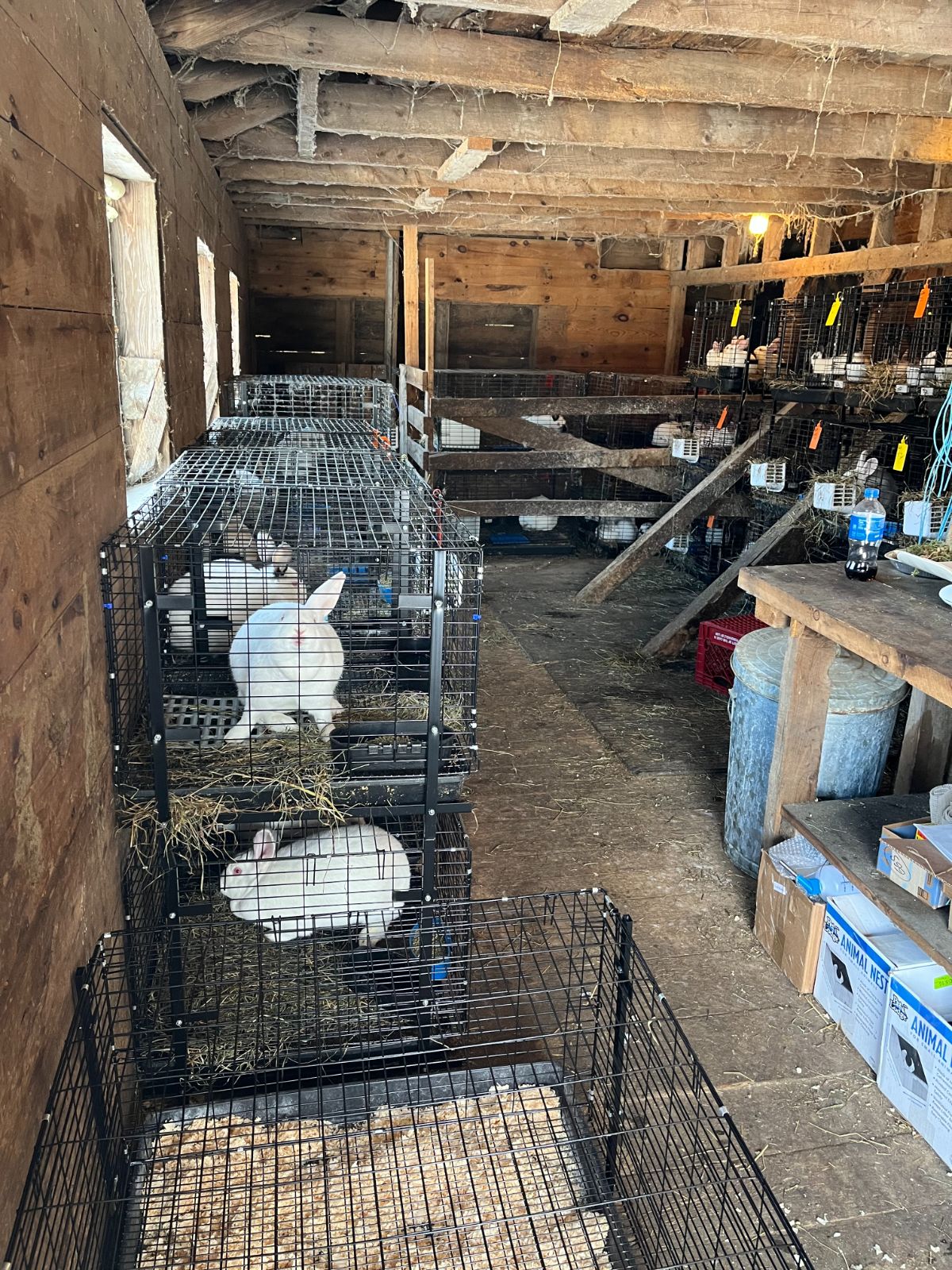
I’d urge you to start small, with just the cages or enclosures and animals that you need. You should certainly have a plan and adequate supplies to care for them well, but when you’re just starting out, keep it simple.
As you get used to keeping your meat rabbits, you’ll get to know them, and they’ll get to know you, too. You’ll find out whether this was as easy or as hard as you thought it would be. You’ll find what is working well in your setup and what isn’t working out.
You’ll find the routines, rhythms, and processes that keep chores and cleaning manageable without them becoming a huge stress in your life. Who needs more stress?
You’re also bound to get excited and want all the rabbits, all the neat breeds, and all the cages so you can have more.
Check yourself. Don't take on too much in the beginning. Get used to working your rabbits. Settle some goals and some numbers, including things like how many cages you want to maintain and how much you can reasonably afford in feed and supplies.
You’ll have to decide how much time you have to devote to the rabbitry. As numbers grow, cleaning, feeding, breeding, and management will take up time. This is why it’s good to get through a litter or two from breeding through harvest before you make your decisions and before you get too far invested in cages and equipment that you may or may not use.
It Only Takes Two or Three Meat Rabbits to Get Started
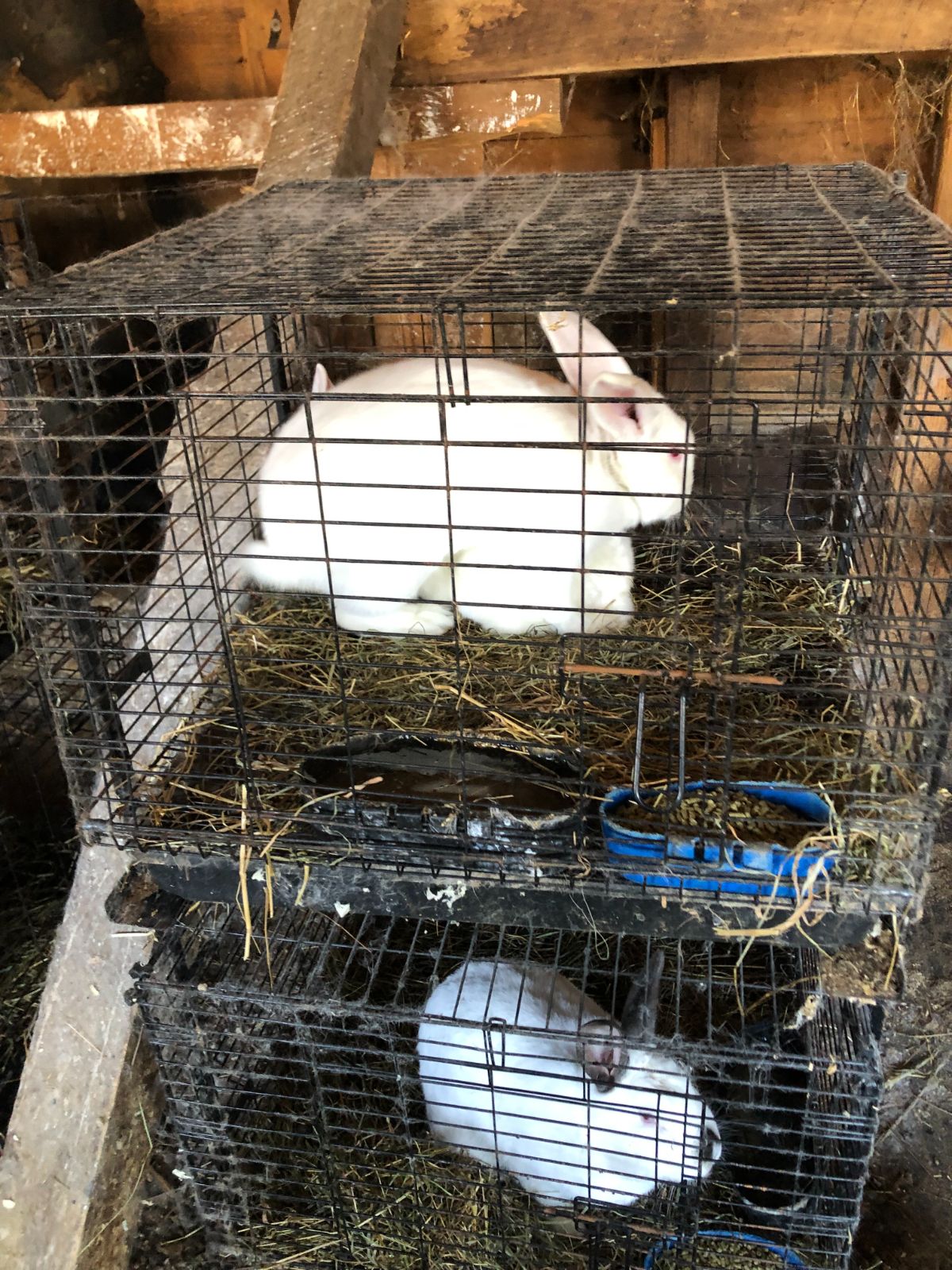
Keep in mind that all you need to seed a rabbitry or home/homestead meat rabbit project is just a pair or a trio of rabbits—a buck and one or two does. With just this pair or trio, you can easily grow well over 200 pounds of meat in a year, and that’s if you’re harvesting at just 10 to 12 weeks of age (you can grow longer for higher yields).
For equipment, all you need are cages for those two or three, the feed, and feed and water crocks (or feeders or bottles).
It’s helpful to spend a month or so just getting used to having rabbits and deciding if your housing setup is working for you before you jump into breeding and investing more in that setup.
Some things you’ll want to consider are:
- Is it easy to keep your setup clean, with clean rabbits kept out of waste, reducing flies and other pests?
- Can you easily (or relatively easily) catch rabbits and get them in and out of cages or housing without you or them being injured?
- Are you able to keep track of individual rabbits and assess them for health and condition, etc.?
- Is the housing protected enough from the weather to move forward with raising in this setup, including breeding and rearing young?
- Is there anything that needs attention or improvement?
- Do the rabbits appear generally comfortable and content?
- Are you enjoying keeping rabbits?
When You Need to Prepare for Grow Outs
Once you have litters of kits (grow outs), you’ll eventually need housing for them. You can choose to house them individually, in pairs, or the whole litter together in large cages or rabbit tractors, or with the litter divided by sex. Clearly, there are options.
However, you won’t need grow out housing until you have kits ready to wean—and that won’t be for at least four weeks after your first litter is born. Rabbit gestation is about one month, so even if you bred on the day your rabbits came home (not necessarily ideal), it would be at least two months before you need to have housing available for kits.
Note that you should have a plan in mind for grow outs, but you can also take some time to figure out what you think will work best for you (and your budget) in the interim.
Managing the Numbers and Handling Harvests
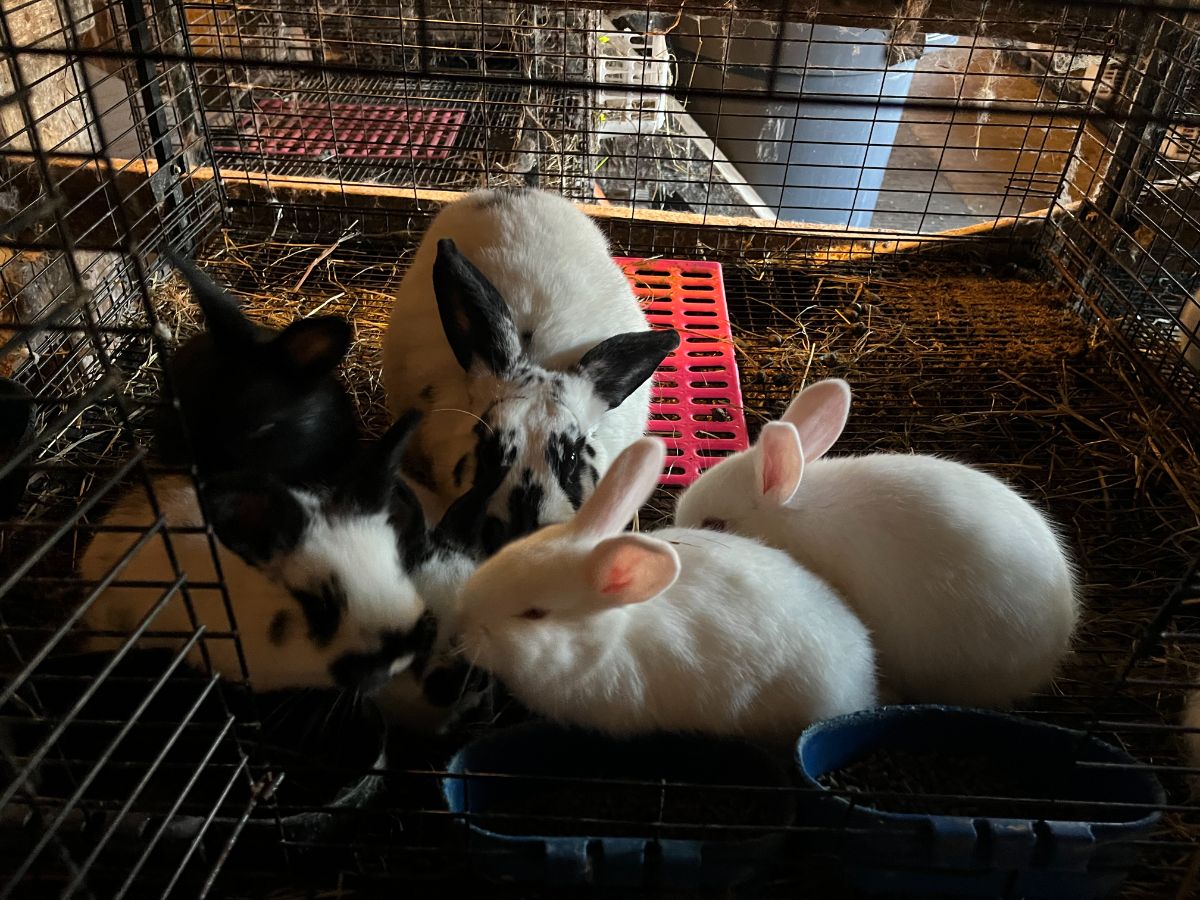
Managing the first litter or two is the easy part. Once you start breeding, it’s best to keep your does breeding and producing on a regular schedule so they stay productive and so that you have meat coming in as needed.
The average for homesteading/homegrown rabbit meat is to breed each doe four or five times per year. You can breed back sooner (I.e., at four weeks post kindling) and bump this up higher, but that requires more management and is a harder schedule for the doe. It’s at this point you might want to consider adding a doe or two instead.
The biggest concern in managing the number of litters and the harvesting is what breeders call “rabbit math”. It might seem like no big deal to breed four does in a month, but you also have to think about the fact that all those grow outs will be at harvest age within weeks of each other. Just two litters of kits born at the same time can easily be 20 grown rabbits that need to be harvested at the same time.
This is why it’s important to take some time, get used to the work and the ebb and flow of life and animals in the rabbitry, and to make sure you can complete the process—in other words, butcher and harvest the meat rabbits. Raise a few litters completely from birth through harvest before you decide to grow your rabbitry anymore.
Expanding Your Breeding Program (Or Not)
Deciding whether to expand your breeding program and add does or bucks is also something that should wait until you feel like you have a firm handle on raising litters through to harvest.
Fortunately, it’s easy to grow your breeding program if you decide that you want to breed more and yield more. Track the best does from the litters you have and hold the best of the best back for breeding. You have time to make the decisions as the rabbits grow. By harvest, even if you harvest at 10 or 12 weeks, your kits will be halfway grown to breeding age.
The other option, of course, would be to breathe new blood and genetics into the rabbitry. This might be the right choice if you feel like your grow outs are not giving you the size, growth rate, or temperament you want.
It’s also an opportunity to explore other breeds or to bring a second breed into cross-breed and achieve hybrid vigor in the grow outs. (For example, a cross of Californian and New Zealand is common and is known to produce a very nice grow out with a good rate of growth, size, and a good bone-to-meat ratio.)
Demand for Meat Rabbits May Surprise You
The demand for rabbit meat and meat rabbits varies a lot from one area to another. Different factors come into play. Some factors might include culture and diversity (is there a cultural group or ethnicity near you who traditionally eats rabbits?), the presence or absence of other homesteading types, hunters, foodies, etc.
When word gets out that you grow meat rabbits, you are sure to get quite varied responses. Some will surely be less than kind, but you may also be pleasantly surprised. Not only are there markets for the meat and for live rabbits, but there are pet food markets, too.
In the past several years, there has been a growing niche of people who are feeding their pets (dogs, mostly) raw or prey diets. For them, rabbit meat is an important nutritional source. Other pet owners also look for meat rabbits, sometimes quite young rabbits (such as for snakes and reptiles).
Potential sales avenues could be:
- Rabbit meat for sale to individual buyers
- Rabbit meal to sell to restaurants or retail food stores
- Raw and prey diet cat and dog feeders
- Reptile and pet stores (as a food source)
- Pet rabbit keepers
- Other meat rabbit breeders
- Livestock dealers
- Sales of pelts for tanning
- Sales of raw, frozen, or dried hides, ears, and feet for pet chews and treats
Some of these avenues are subject to regulation, of course, and depending on where you live, it could be relatively easy, or it could get pretty involved. This is mainly for the sale of meat for human consumption. Regulations vary by state and by country. They may also vary depending on how much meat/how many rabbits you sell as meat (as in processed, dressed carcasses, perhaps cuts or ground, ready to cook).
Of course, you do not need to get into any sales at all. If your goal is to just quietly keep and grow meat rabbits for your own use, so be it. In fact, that makes life much simpler. But if you have an interest in selling or supplementing your income with your rabbits, you may find that the interest and demand can be higher than you might have anticipated.
If you do decide to expand into selling, feed yourself first. Then, start to plan for how and when you should expand breeding and raising to maintain the numbers for you and for your markets.
Let Your Goals and Interests Guide You
Your goals and interests will guide the growth and size of your rabbitry as you go. As you are approached for sales, etc., take some time to decide if you really want to maintain a rabbitry of the size that would be needed to supply the demand.
Other things may guide you, too. For example, you may decide that you want to grow your rabbitry so you can keep more breeds, or you may want to focus on just one breed. You may become interested in preserving rare, heritage, or threatened breeds, such as those identified through the Livestock Conservancy.
As long as things are manageable and affordable, it’s okay to have some fun with the meat and breeds you are raising. It makes things more interesting. It can result in better care and attention because you will be striving to meet your goals.
You are more likely to stick with something and push through the challenges if you have an interest in what you are doing. And those interests and goals may change over time, too. Flow with them. Go with them. Let them steer you in the right direction for your rabbitry—be it big or small!
Anticipate Your Needs in Time to Grow
As you begin to breed, as you begin to have litters, and as you start moving into the production and management phase, you will have to make changes. You may have to expand your space, get more equipment, or invest in more animals.
There is only one thing that is really important as you grow your rabbitry. You must meet the needs of the rabbits—all rabbits—when they are needed. That means planning ahead. Make sure you have a plan and a resource for cages, feed, and supplies. Keeping track and keeping ahead of the needs so you can meet them on time.
With foresight and an eye to the future needs of the animals in your care, you and your rabbitry are sure to be a success. No matter how big or small you make it!
Leave a Reply