
Spend some time on rabbit groups, homesteading sites, or YouTube, and you’re bound to find someone promoting the use of fall leaves as a free foraged food for your meat rabbits.

Meat rabbits do seem to thoroughly enjoy a snack of crispy, crunchy fall leaves. They’re generally happy to see them and go right for their “crisps”.
This raises a few questions, though --
Are dried autumn leaves safe for rabbits to eat?
Is there any nutritional or digestive value to feeding fall leaves to meat rabbits?
Is it a good idea to feed fall leaves to your meat rabbits?
What are some risks to consider before you decide to let your meat rabbits eat dried leaves?
Jump to:
- Information is Limited to Mostly Anecdotal Firsthand Hand Experience
- Introducing Fall Leaves for Your Rabbits
- VIDEO: Do Meat Rabbits Like Fall Leaves? Are They Safe for Them to Eat?
- Foraging and Collecting Dried Autumn Leaves to Feed to Meat Rabbits
- Some Warnings Regarding Feeding Fall Leaves
- Benefits of Feeding Dry Fall Leaves to Meat Rabbits
- Everything in Moderation
- Other Ways to Use Fall Leaves in the Rabbitry
- Other References and Resources
Information is Limited to Mostly Anecdotal Firsthand Hand Experience
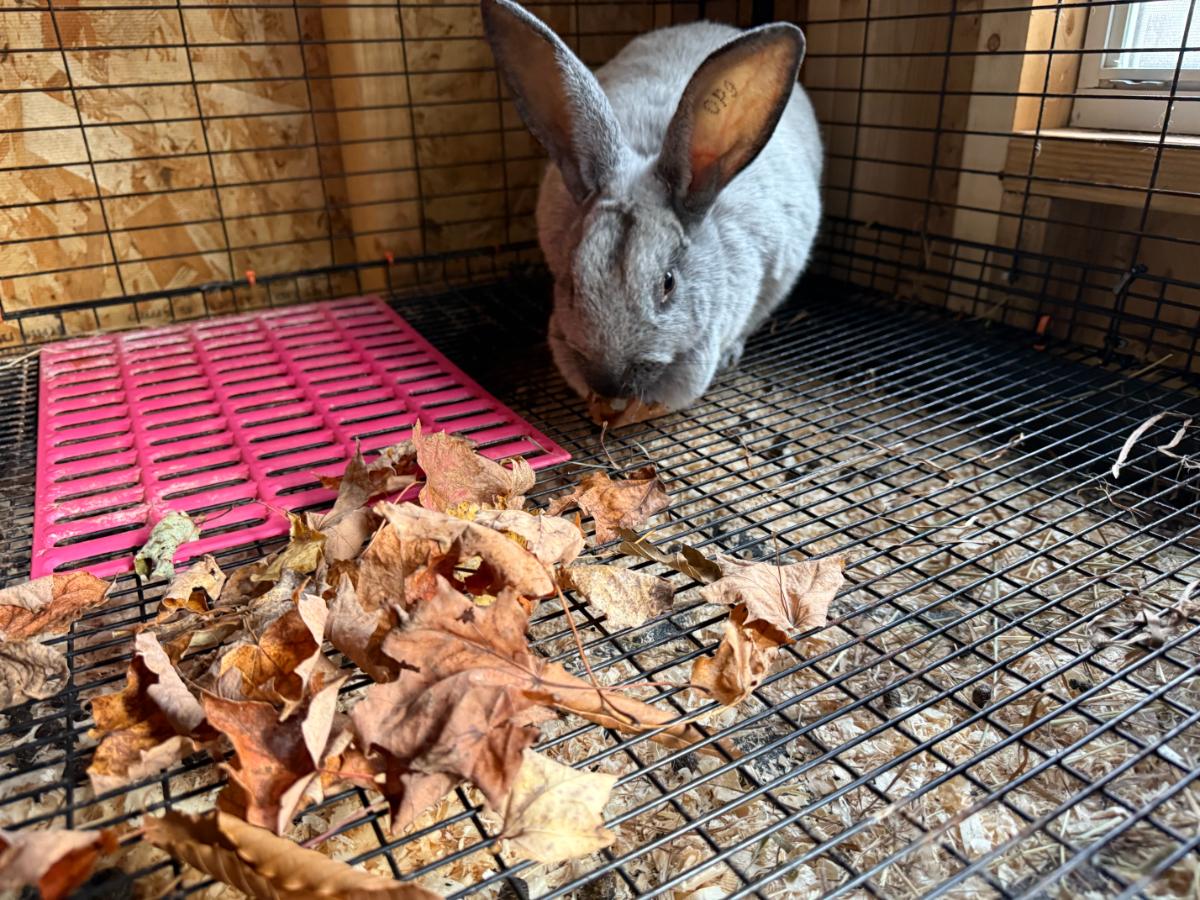
Truth be told, there are limited resources that talk directly about feeding dry fall leaves to rabbits. A few of the references are listed below (see the end of the article for references and resources).
For the most part, references are mentioned as part of a larger conversation. Or, they’re offered by individual rabbit breeders who feed leaves to their rabbits. It’s wise to keep this in mind. Because, as we know, just because someone did it doesn’t necessarily mean you should jump off that cliff, too.
On the other hand, this is true of a lot of information for meat rabbits. It is especially true of anything outside the mainstream of “feed pellets, maybe with some hay”. A lot of this simply comes down to the fact that rabbits are not as popular, especially as a meat source, and especially in comparison to other types of meat and livestock. They just don’t get the research and resources that other animals do.
So, sometimes it is not that something is good or bad, but more that it hasn’t been looked into much at all.
There is also a lot to be said for real-life experience, as long as you do what you can to determine if the source of the information is one that seems legitimate and conscientious. Breeders and farmers with wisdom and experience are my preferred resource!
The bottom line? Keep all of this in mind. Read what I’ve found. Search for others' experiences. Then you’ll need to decide your own comfort level with feeding leaves to your meat rabbits.
Introducing Fall Leaves for Your Rabbits
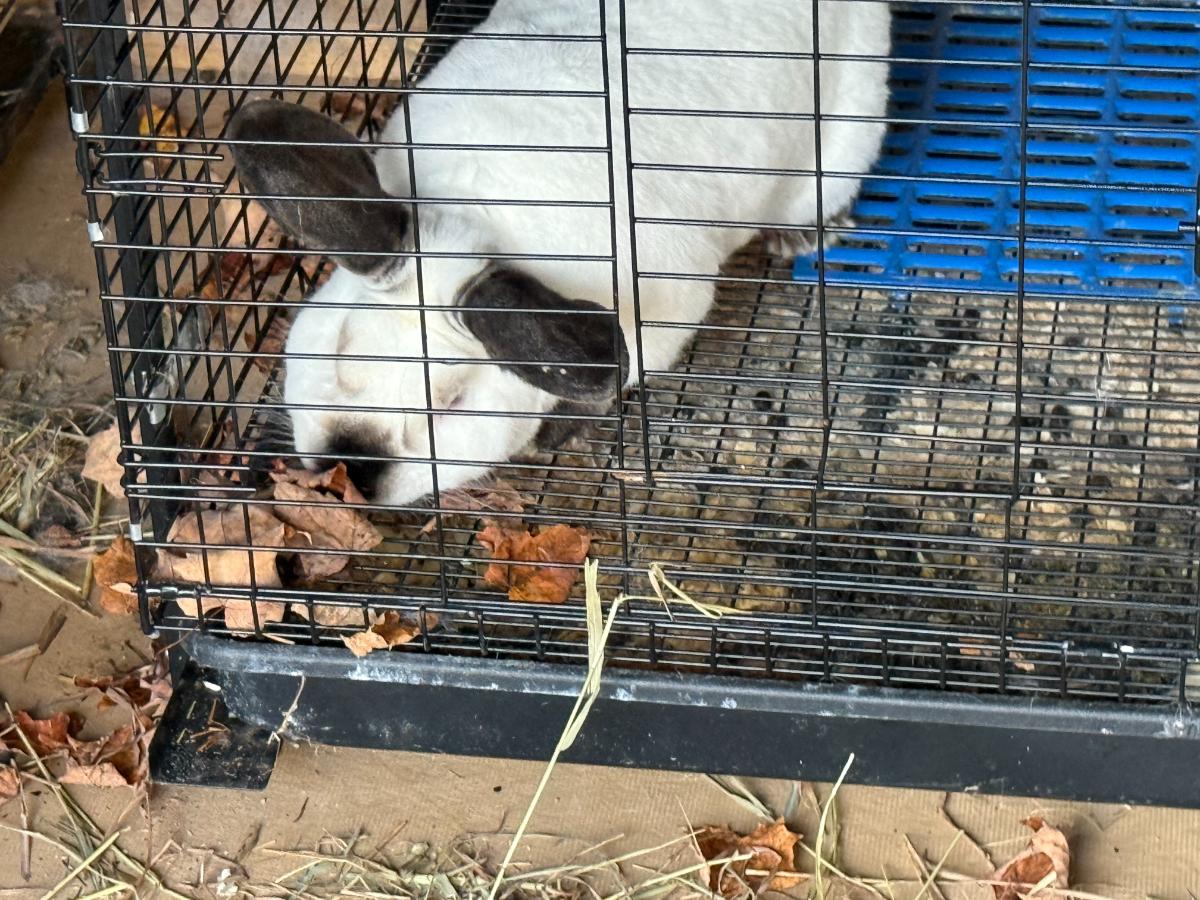
Feeding fall leaves to your meat rabbits is as easy as tossing a handful of leaves into the cage. But as with any new food or treat, there are some precautions to follow:
- Introduce leaves slowly
- Introduce in small amounts
- Wait a couple of days between feedings to see if the rabbits have any problems with the leaves, digestively
- Watch and observe your rabbits
- Look for symptoms of digestive distress
- Watch for signs of respiratory issues
- Feed only clean, dry leaves
- Consult some resources and check the common leaves/trees in your area to see if they are rabbit safe*
- Feed only as a treat and a supplement -- not a whole food source
*Beyond the Pellet does not directly address feeding fallen fall leaves, but they do mention tree parts, including buds and leaves, as a foraged protein and fiber source. They also include a list of trees that are safe for rabbits to eat, and those that they seek out in nature. You can find this and other rabbit-safe lists on the author’s site at RiseandShineRabbitry.
VIDEO: Do Meat Rabbits Like Fall Leaves? Are They Safe for Them to Eat?
Foraging and Collecting Dried Autumn Leaves to Feed to Meat Rabbits
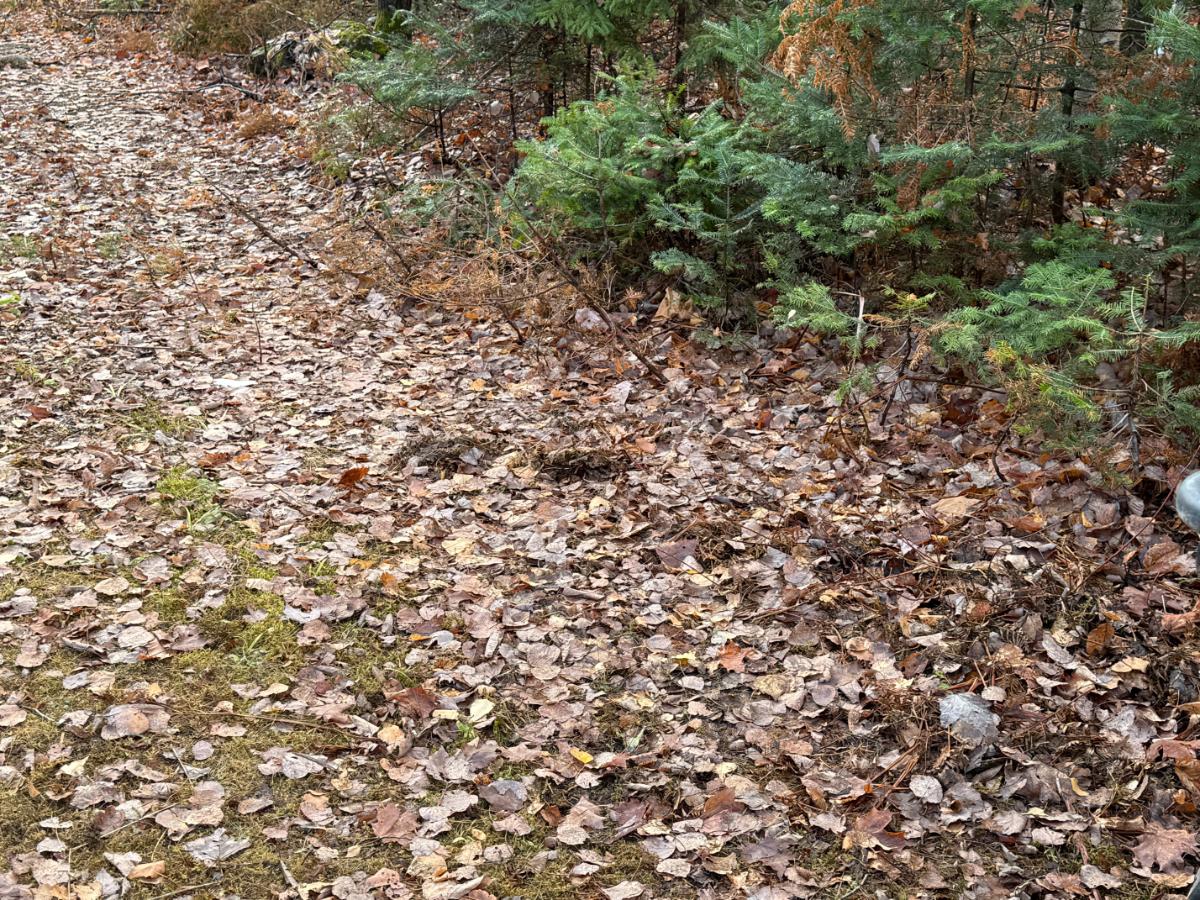
It’s not hard to forage fall leaves to feed or treat your meat rabbits; here are some tips:
- Collect leaves from untreated trees
- Make sure the tree has not been sprayed with a harmful pesticide or other treatment for insects or disease
- If you stockpile foraged leaves for winter or off-season feeding, store them in a dry place, just as you would any other feed or hay
- It is best to collect freshly fallen, completely dried leaves in the fall and store them for winter use rather than collect and feed as you go in winter (by which time the leaves are more likely to be broken down, wet, moldy, or of poor condition or quality)
- Collect and store early in the season, mid through late fall, while the leaves are in their best condition
Some Warnings Regarding Feeding Fall Leaves
Though the body of evidence is as weak against feeding leaves to rabbits as it is strong, there are some cautions to consider:
- Some warn that leaves can harbor mold, which might present digestive problems, but would more likely cause respiratory issues if inhaled -- this is why clean, dry leaves are what you should feed
- Leaves come from the ground, and anything foraged from the ground carries the possibility of carrying parasites like coccidia or mites
- The potential would not be any greater for leaves than it would be for fallen sticks, grass, herbs, weeds, or other foraged foods
- Nutritional analysis is mostly unknown, at least as far as what can be found via reputable sites and extension services
- Be cautious of your rabbits' filling up on leaves of unknown protein and nutritional quality
- It would be smarter to feed leaves as a treat, rather than as a staple of their diet
Benefits of Feeding Dry Fall Leaves to Meat Rabbits
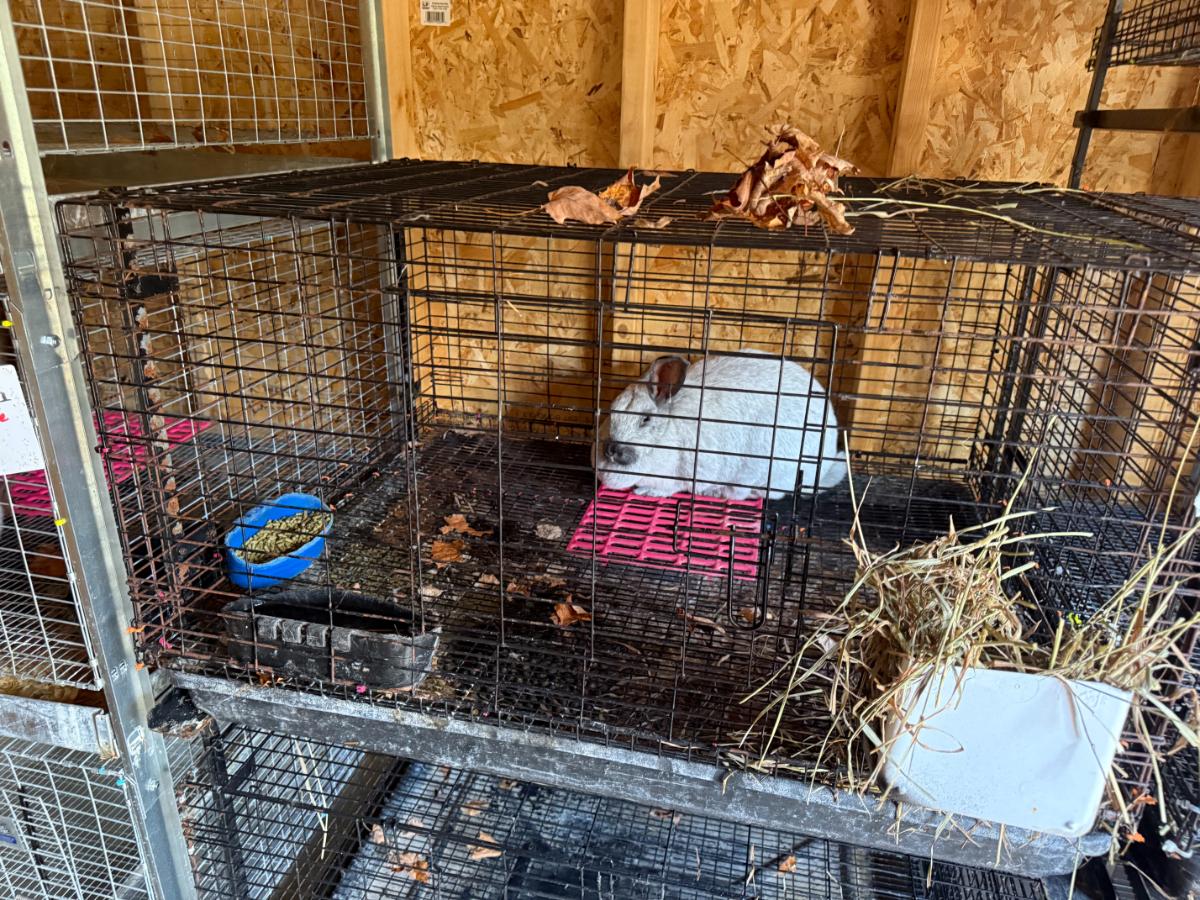
It is similarly difficult to pinpoint exactly what advantage there is to feeding dried leaves to your rabbits, but the following are some of the cited benefits:
- Source of fiber
- Can help reduce the amount of hay fed for fiber, and therefore can help reduce hay costs
- Source of trace minerals
- Enjoyable treat
- Breaks up the boredom
- Some leaves (like oak) are a source of tannins, which are said to be a natural parasite control
Everything in Moderation
Feeds and forages like this should be viewed as a part of, a supplement to, your rabbit’s regular diet. Even rabbits in nature that feed on leaves and tree parts never make a whole diet of just leaves. Leaves would be one of many different things a rabbit would eat in the course of their day.
Leaves should be offered similarly to one thing your rabbit eats in a day, but not all of what they eat.
For the most part, leaves should only be looked upon as a treat or a supplement to help stretch hay or used as an alternate source of fiber (in place of or with the hay).
Other Ways to Use Fall Leaves in the Rabbitry
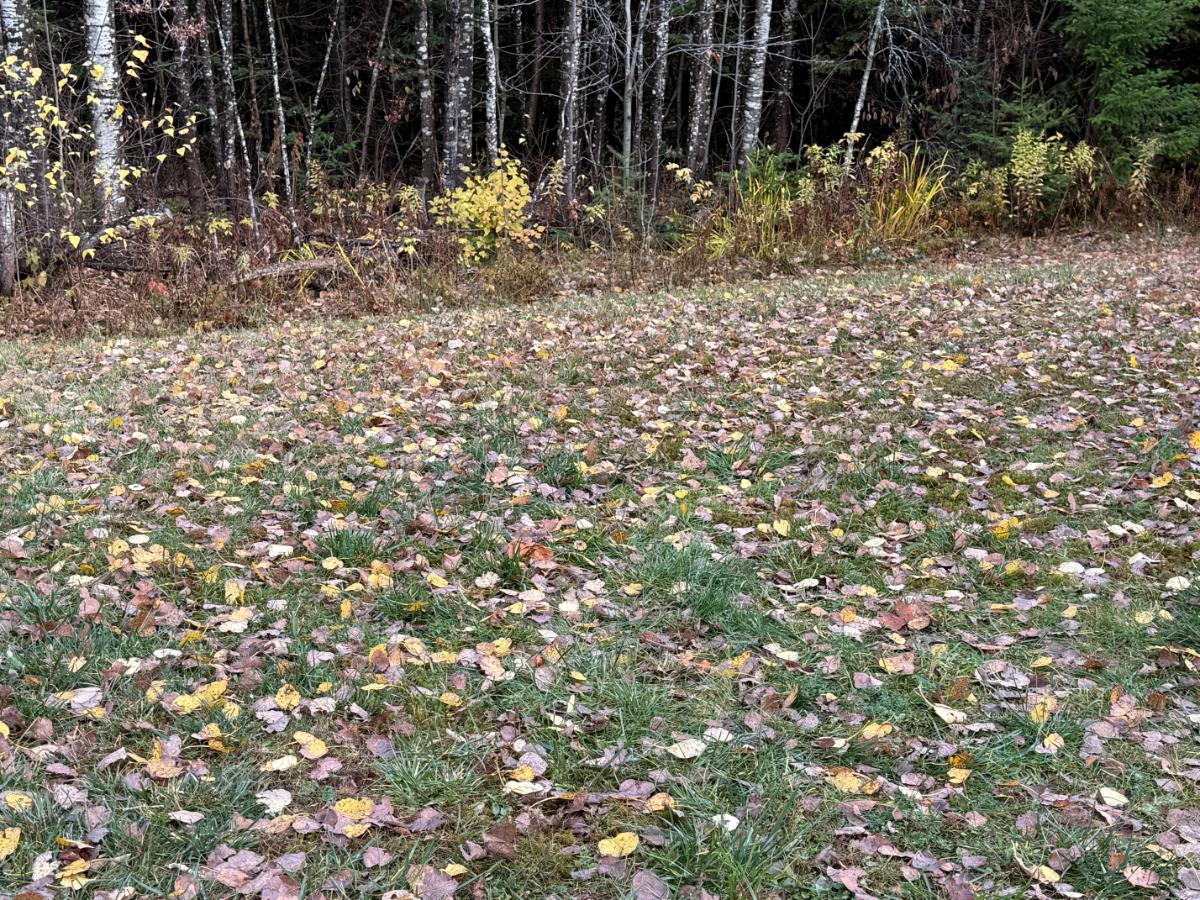
Some sources recommend fall leaves as a free bedding. They have been recommended as a liner for nest boxes or a warm material for kits and rabbits to burrow into in cold weather for some added warmth and protection.
Leaves, even well-dried leaves, will not be particularly absorbent, but they can be used where you might use straw or hay for kit nests and for kits to burrow into.
If you do use leaves for lining or bedding, keep in mind that the kits (and sometimes the doe) will often nibble at the contents of the nest box, so the leaves that are used must be safe to eat and non-toxic.
Other References and Resources
- YouTube - West Meadow Rabbits
- YouTube - West Meadow Rabbits
- Rise and Shine Rabbitry
- Texas Agricultural Extension Service
Leave a Reply