
It is not uncommon to hear people in the meat rabbit world using terms that are not proper terminology. In fact, it’s quite common. But common doesn’t always mean it’s a good idea. There are real reasons why we should learn and use proper terms when we talk and communicate about our meat rabbits.
This isn’t an attempt to be uptight. There are solid reasons why we have real terms for meat rabbits. And there are solid reasons why we should use them. And while sure, everyone probably uses a term of endearment for their favorite breeder from time to time, and may even maintain a soft spot for one or two, the words we use with ourselves and others matter.
Jump to:
- Putting Meat Rabbits Forward as Livestock
- The Right Words Clarify Communication Between Breeders, Buyers, and Sellers
- The Right Words Help You Understand Terminology for Shows, Rules, Entries, and Communication with Judges
- The Right Words Help Us Keep Perspective on the Rabbits We’re Raising
- VIDEO: Why Words Matter for Meat Rabbit Breeders
- The Right Words Show We’re Not Ashamed to Eat Rabbit Meat
- The Right Words Help Kids Accept, Separate, and Communicate
- The Right Words Show a Level of Knowledge and Effort that Reflects on You as a Breeder
- Finding the Right Words to Communicate
- Know Your Message, Know Your Audience, Choose How You Put Yourself Forward
Putting Meat Rabbits Forward as Livestock
It’s a hard enough uphill climb being a meat rabbit breeder, especially in some countries and locations. Rabbits have come to be thought of largely as pets. Even a lot of veterinarians consider them “exotic” and either don’t service rabbits or have little to no experience with them.
When we use the proper and accurate terminology to speak about or refer to our meat rabbits, it helps to set them apart from pet crowds. It presents them as what they really are, and what they were bred and intended to be: livestock, with a livestock purpose.
The Right Words Clarify Communication Between Breeders, Buyers, and Sellers
Knowing and using the standard terminology can really clear up confusion between breeders, buyers, and sellers.
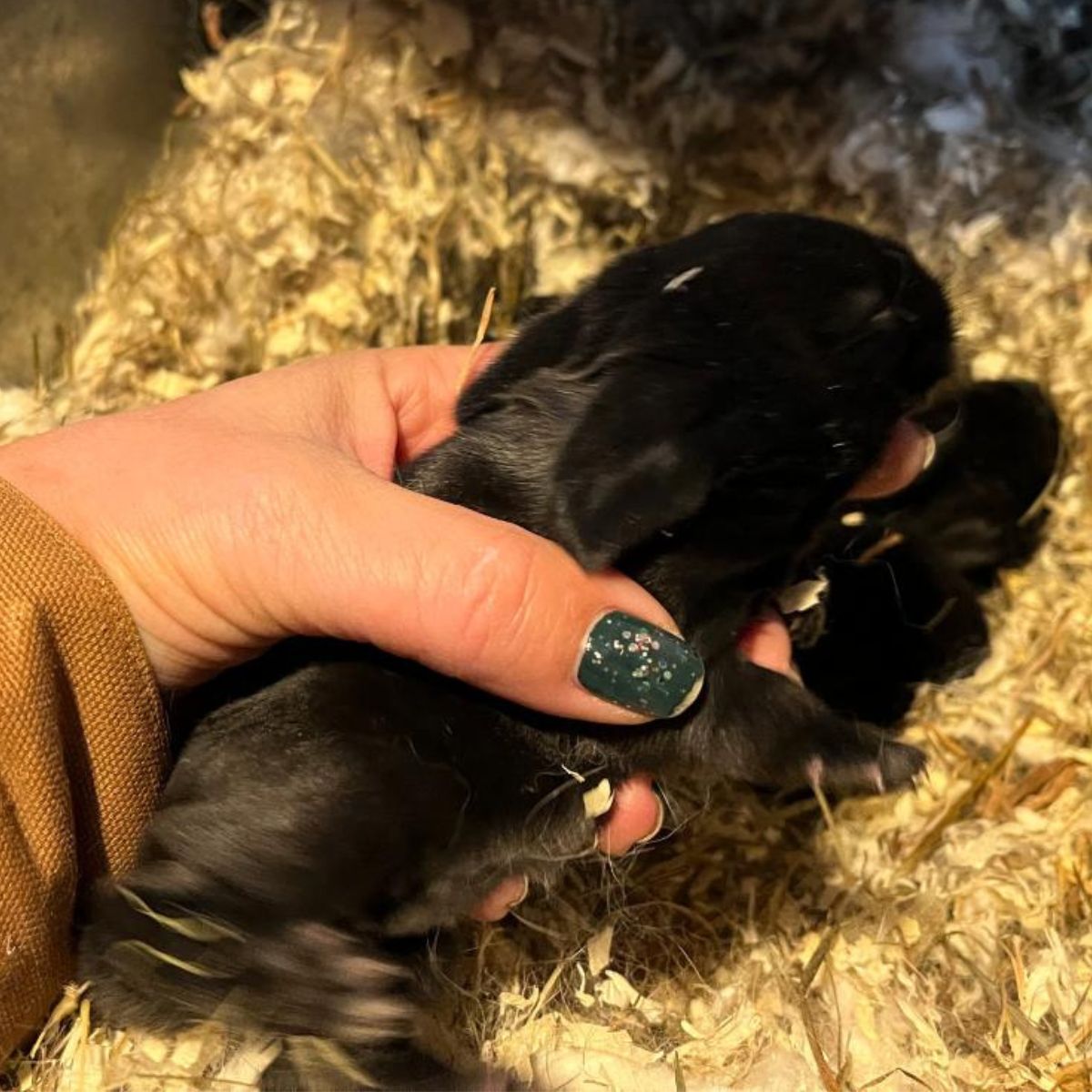
When you refer to a rabbit as a “bunny”, that can mean anything to different people. When you refer to your growouts as weaned kits or weaned growouts, people should take that to mean young rabbits around six to eight weeks of age (for sales, kits should be at least eight weeks, so that would be a reasonable assumption).
If you say you have a junior meat rabbit for sale, the buyer would know that it is a young rabbit under six months old. Not quite breeding age, but approaching it, or just there.
The Right Words Help You Understand Terminology for Shows, Rules, Entries, and Communication with Judges
If you are interested in showing your meat rabbits, you will certainly want to be able to speak the same language as the judges and other entrants. You will need to know which classes to enter your rabbits into so you are competing appropriately, and so that you do not risk disqualification from entering your rabbits into the wrong class(es).
There is a lot to be learned from rabbit judges and from other breeders at the shows. Knowing what they’re saying will be to your benefit, so that you can understand, learn, and grow.
A lot of sales happen at rabbit shows, too. This is where it’s important to know the terminology to understand what you are buying. You’ll then know that an “intermediate” rabbit is one of the prime beginning breeding ages. You’ll understand that a “proven” buck or doe has successfully produced litters before.
The Right Words Help Us Keep Perspective on the Rabbits We’re Raising
Using appropriate meat rabbit terms gives us clarity in our rabbit barns. Objective terms reduce attachment, which leads to emotional decisions. This can make it difficult to make improvements to our own rabbitry and breeding programs.
Fuzzy pet language can cloud decisions regarding who should be culled or removed from a breeding line when issues present or when a better candidate comes up in the crowd.
Livestock and breeding terms help us to focus on the goals of our programs. In turn, this serves as a reminder and a realignment towards our goals of selecting and improving our rabbits. Just this one shift can result in a positive impact in the quality and health of your rabbitry.
VIDEO: Why Words Matter for Meat Rabbit Breeders
The Right Words Show We’re Not Ashamed to Eat Rabbit Meat
When we use terms that people generally associate with pets, we set ourselves up for more criticism and negativity.
As meat rabbit breeders and consumers of the meat, we should have confidence in what we’re doing. We should be proud of the work we put into raising humane, clean meat.
We do not need to soft pedal ourselves or what we do. Communicating about our meat and our rabbits presents meat rabbits and rabbit meat as something on par with other meats and livestock. Equally useful. Equally enjoyable. No more cruel than eating chicken.
Not only should we use the right words in communicating about our meat and our offerings, but we should also open communication to educate more people and potential consumers. We should do this in a way that presents rabbits and rabbit meat as something apart from pets. Set ourselves and our product apart, so that people can see a difference, and a product, not a pet.
The Right Words Help Kids Accept, Separate, and Communicate
Using terminology that reflects the purpose and the intent of the rabbits you raise for meat creates a clear line of separation for the kids in your life who might be a part of your meat rabbit raising. Defining which animals are short-termers, which are pets, and which are long-term residents (such as breeders) creates a clear path to acceptance and even pride and appreciation for children who are involved in raising their own meat.
Children are resilient. They are intelligent. They are fully capable of respecting and learning and being a part of the farming process, and all that entails. If we credit children with the ability to do so. If we teach them and help them make separations. And if we don’t muddy the waters by creating confusion where it doesn’t need to exist.
Read more about Keeping Meat Rabbits with Kids here: Keeping Meat Rabbits With Kids
The Right Words Show a Level of Knowledge and Effort that Reflects on You as a Breeder
The wider and more accurate your meat rabbit vocabulary, the more it says about you. Taking the time to learn and know what terms mean shows that you have more than just a superficial interest and understanding of meat rabbits.
This shows dedication, interest, and knowledge. It shows that you are someone to be taken seriously and someone worth listening to.
Finding the Right Words to Communicate
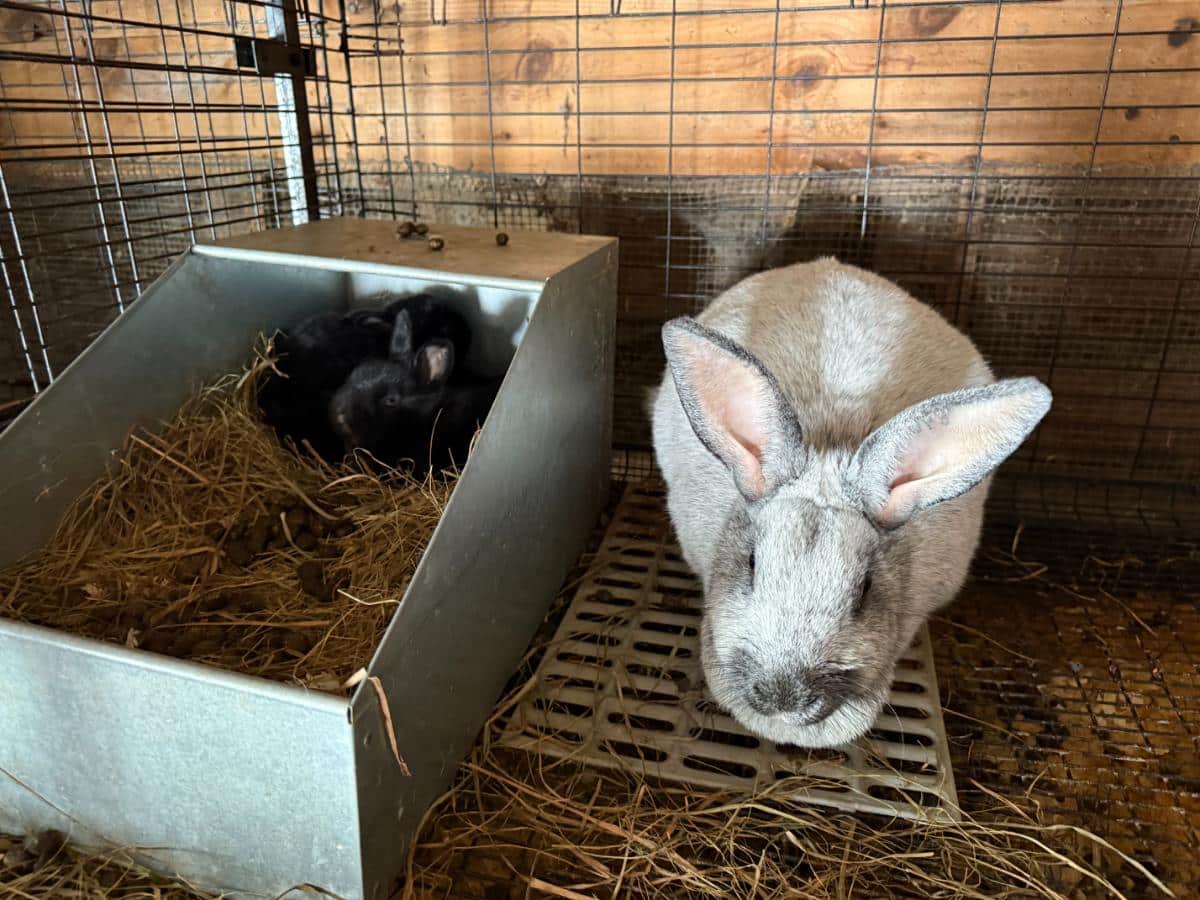
You can’t be blamed for what you don’t know. To familiarize yourself with the language of meat rabbits, here is a glossary of accurate terms. Start to incorporate this into your language when you speak and discuss your rabbits. It will help clear up confusion and show you as a person with a purpose.
58 Rabbits Terms New Meat Rabbit Growers Should Know
Know Your Message, Know Your Audience, Choose How You Put Yourself Forward
Know your message and know your audience. Know what impression you want to leave. Know how you want to present yourself to potential buyers, consumers, customers, and other rabbit breeders.
Decide what message you want to send about keeping meat rabbits, and their viability and appropriateness as a livestock animal. Then decide how you want that message received, and what you can do to send it in a way that makes it so.
Leave a Reply