
My family and I have raised all manner of animals for meat. We’ve raised chickens and turkeys, ducks, pigs, and beef. For various reasons, we now only keep meat rabbits here on the homestead for our homegrown meat source. We’ve moved exclusively to rabbits.
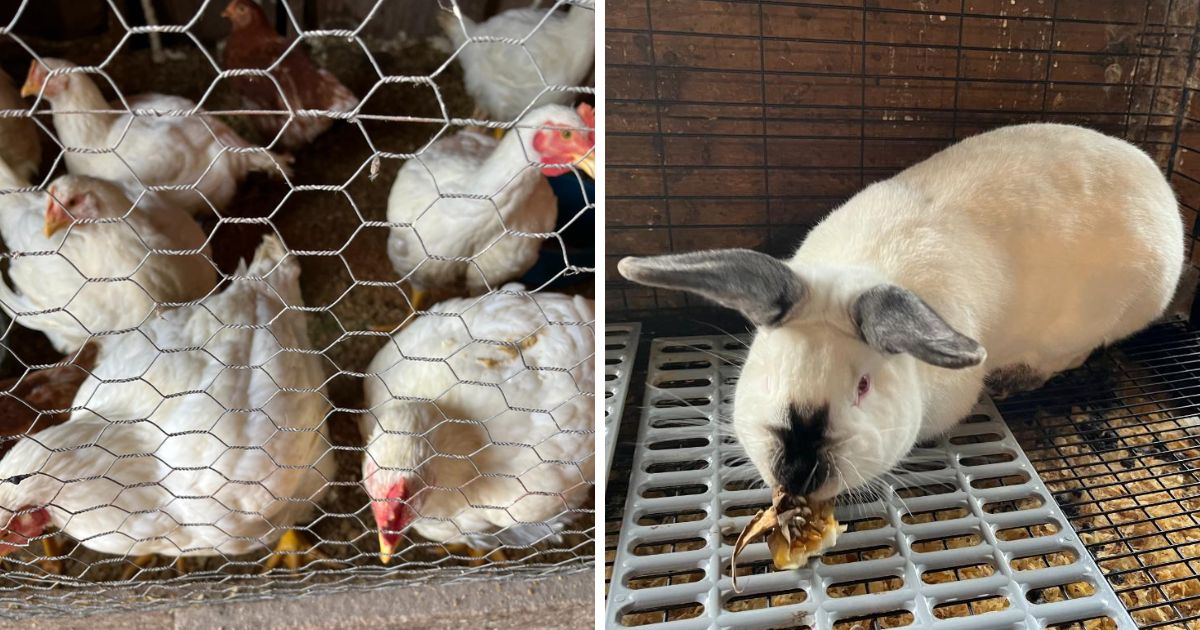
I personally was the primary poultry keeper and chicken raiser. At processing time, it was all hands on deck, and I had a big hand in that, too.
Which is only to say I know the process from start to finish. And anyone who asks (and many who don’t) will hear me say:
I wish I’d started raising meat rabbits years ago!
What brought on this turnaround? Why raise meat rabbits and not chickens?
Here are our top reasons.
Jump to:
- Raising Rabbits and Chickens for Meat
- 1. Meat rabbits are 100% self-sustaining
- 2. Ability to keep a closed herd (biosecurity)
- 3. Low losses and low incidences of early death
- 4. Meat rabbits are extremely feed efficient
- 5. Meat rabbits could be raised without buying any commercial feeds
- 6. Rabbits are still rabbits and still grow naturally, as rabbits should
- 7. Meat rabbits require no additional utilities and electricity expense
- 8. Rabbits are a greener and more eco-friendly meat choice than chickens
- 9. Processing of meat rabbits is much faster and easier
- 10. Processing meat rabbit does not require a lot of specialized equipment
- 11. Rabbits are more friendly, enjoyable animals
- 12. Meat rabbits present more opportunities for supplemental sales
- The Bottom Line on Raising Meat Rabbits Instead of Meat Chickens
- Rabbits versus Other Homegrown and/or Local Meat
Raising Rabbits and Chickens for Meat
When I first started with meat rabbits, it was to give us another source of protein to supplement the chicken and poultry we were growing and to work it in with the other types of meat that we eat but no longer grow ourselves.
As we moved through the process of raising, managing, and then processing rabbits, some things became very clear. Meat rabbits came out as the clear winner for home meat growing.
1. Meat rabbits are 100% self-sustaining
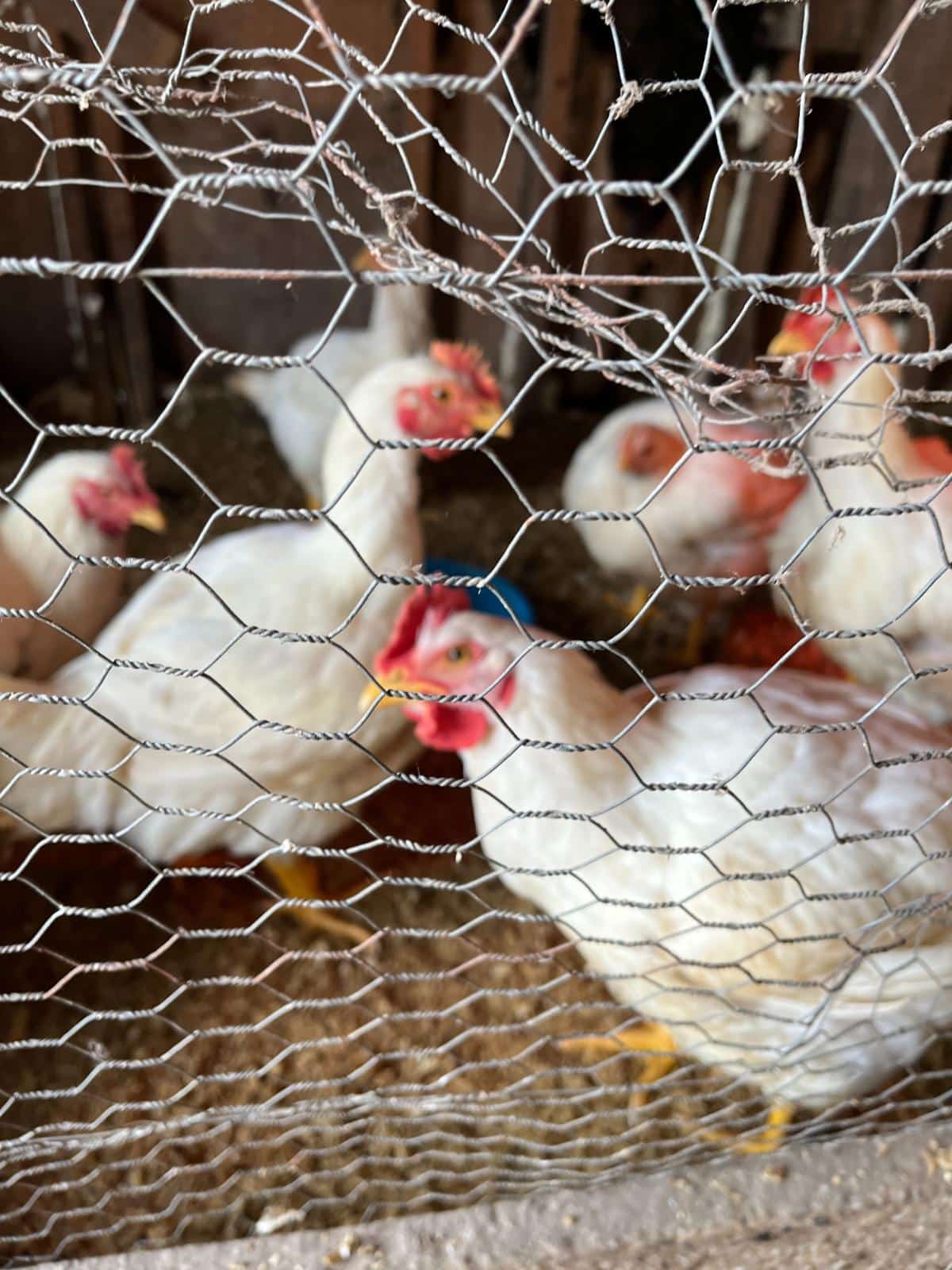
The chickens that are raised for meat most often—and the ones that are most comparable to meat rabbits in terms of yield and growth rate—are hybrids like the Cornish cross-meat chicken. These chickens cannot breed and sustain themselves.
Rabbits, on the other hand, will reproduce over and over. Even the most selectively bred meat rabbits are still rabbits that can breed and reproduce, whose offspring can grow quickly into harvestable meat or be held back as future breeding stock.
When you want another set of meat rabbits to grow for meat, you simply breed your rabbits again, and in a month, you’re on your way. The same set of breeders will breed for several years (at least three) and, in that time, will produce hundreds of pounds of meat.
Meat chicks have to be purchased and then shipped to you for every set. That creates an additional expense (one that has been increasing in recent years). This also means they need to be shipped and creates a shipping cost for you. Those costs are significant.
2. Ability to keep a closed herd (biosecurity)
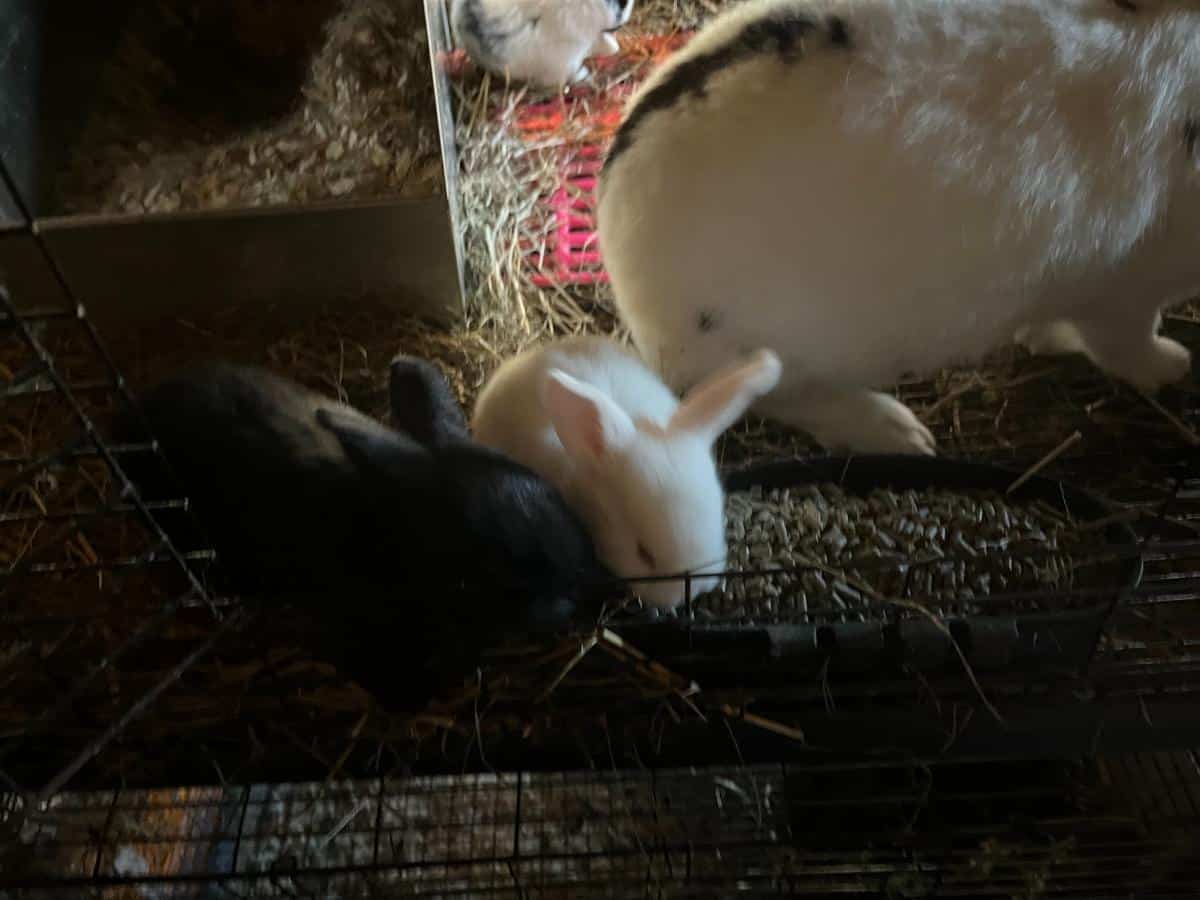
Once you establish good breeding stock, you can keep what is known as a “closed” rabbit herd—meaning that you do not bring in new animals and hence do not expose your breeders and grow outs to an influx of potentially new pathogens—like you would with chickens every time you bring new chicks in.
There may come times when you purchase a new breeder or two to inject new blood into your lines, but with good care and quarantining, you can protect your rabbitry. It’s also much less frequent.
This is not possible to do with chickens if you have to buy new chicks every time you want to raise more meat.
3. Low losses and low incidences of early death
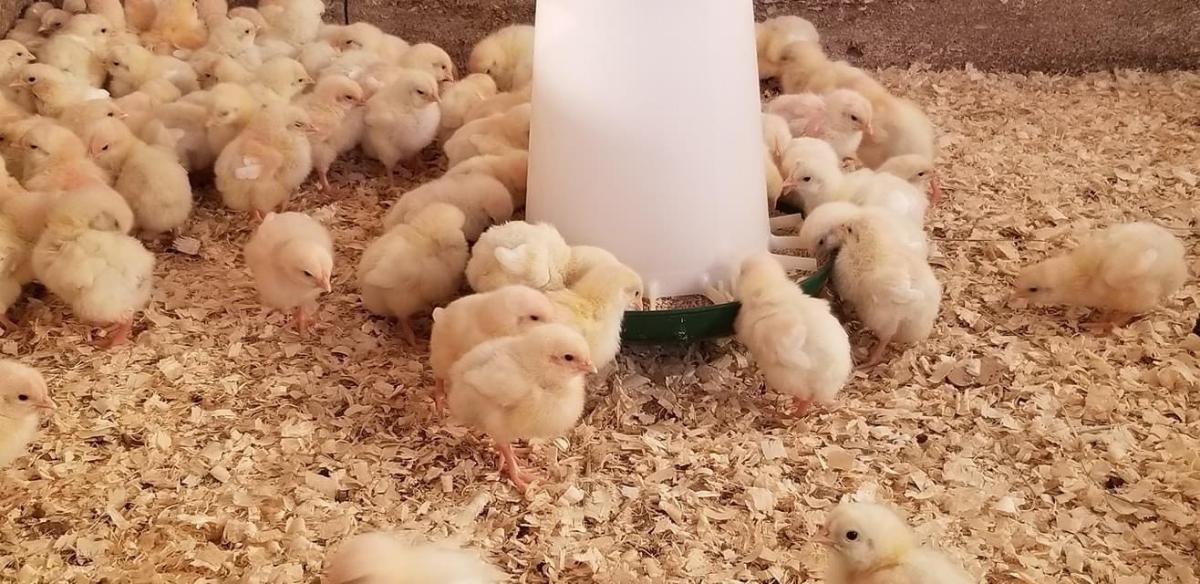
There is a fairly high mortality rate involved when you raise meat chickens, and a lot of that is owing to the hybridization and design of the bird. Typical losses range from 10 to 25% for meat birds. This is the norm.
In most cases, rabbit mortality is very low. With a clean and healthy environment and quality feed and water, most people experience very low mortality rates with meat rabbits. It’s usual to have no losses at all for litters, or you might sometimes lose one or two kits at birth, but the cost is almost nothing for those losses since they usually occur early on.
In contrast, you can expect to lose meat birds as chicks in the first week, and then it is normal to experience losses again as mature birds close to slaughter time. These are the most expensive losses when your feed, costs, and inputs are highest. They happen because the birds are prone to heart failure, skeletal issues, and paralysis.
4. Meat rabbits are extremely feed efficient
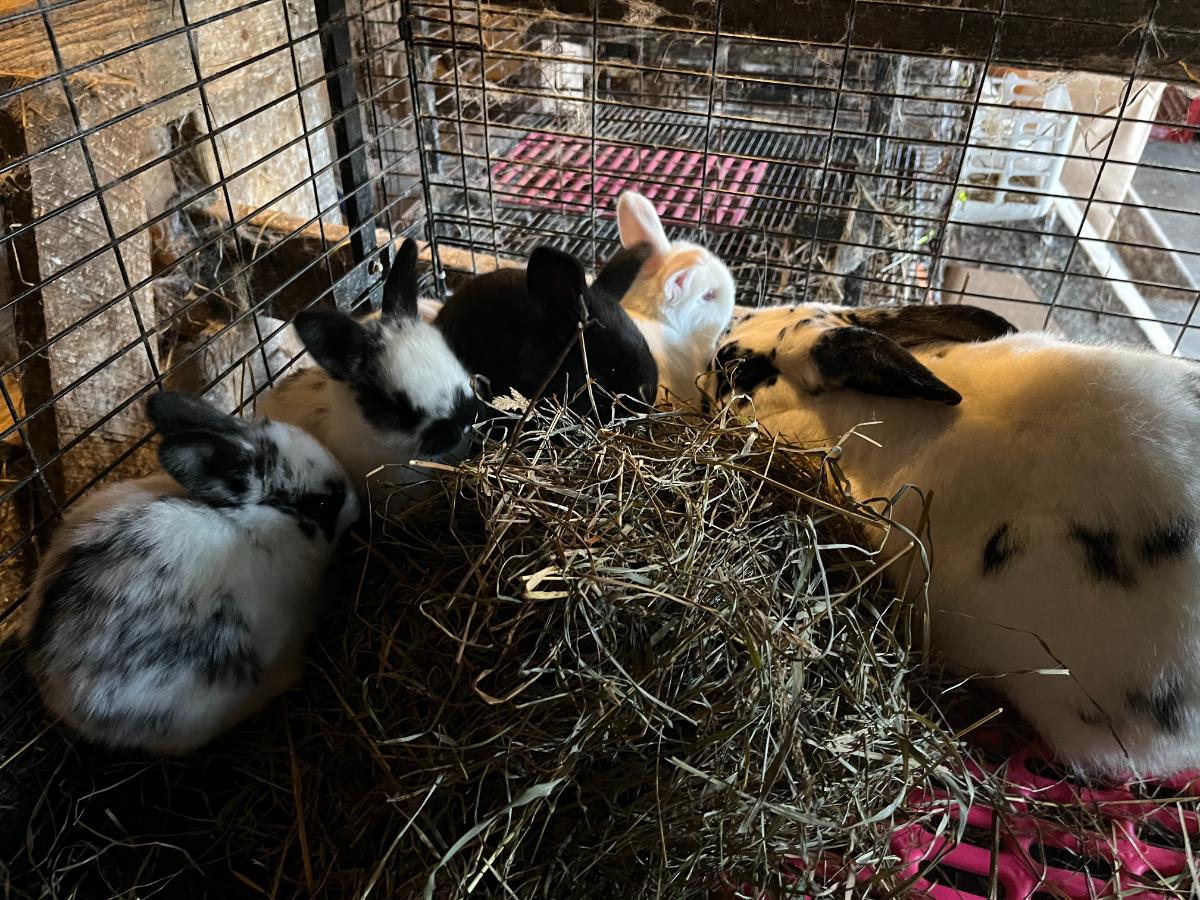
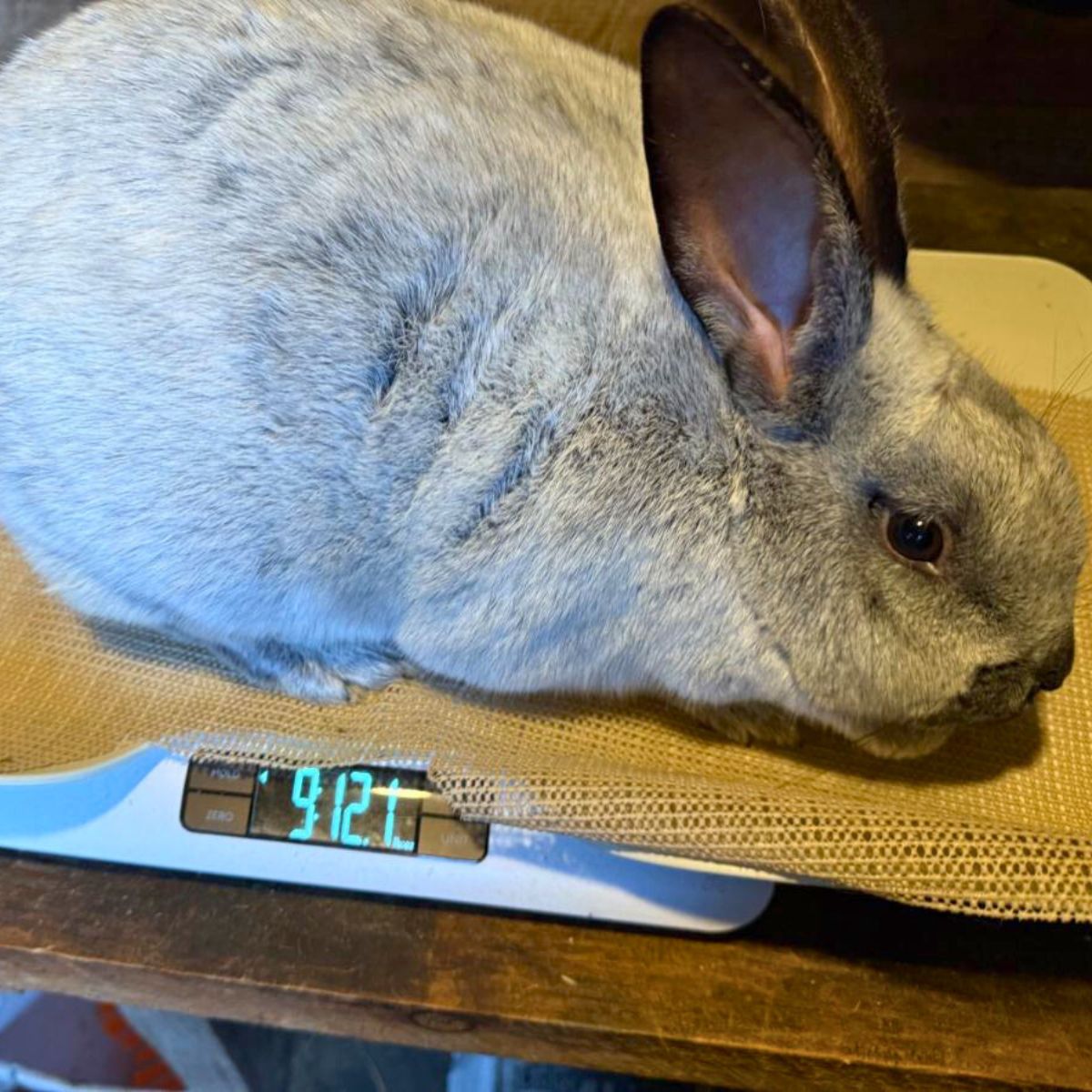
Rabbits are very good converters of feed into meat. The University of Michigan says that commercial-type meat rabbits (that is, the breeds of rabbits that have been developed and used for meat the most) have a feed conversion rate of 3:1.
A 3:1 feed conversion rate means that for every pound of feed given, the animal produces one pound of meat. This compares well with chickens, which have a 2.5:1 or 2:1 feed conversion.
It’s important to note that chicken conversion rates in this range are based on commercial chicken breeds--Cornish cross-meat birds—that have been bred specifically for fast meat growth.
The conversion rate for heritage breeds (i.e., chickens that could be more self-sustaining and raise their own young) may not be as good because it takes much longer to grow them out to adult size (slaughter age would generally be close to six months or more).
There are other factors to consider when you look at chicken vs meat rabbit feed conversion rates, too. For example, rabbits can convert a cheap and growable feed like grass hay or garden forage* that can be cheap or free, while chickens would not be able to do that efficiently.
*It is also true that rabbit feed conversion rates may be higher and in the range of 4:1 or 5:1 on foraged feed, but at that point, the matter becomes less important and is still an advantage of meat rabbits, because the feed is available, cheap, and even free. So, the conversion rate might be higher, and more feed may go into the rabbits, but the cost would be less or even zero.
5. Meat rabbits could be raised without buying any commercial feeds
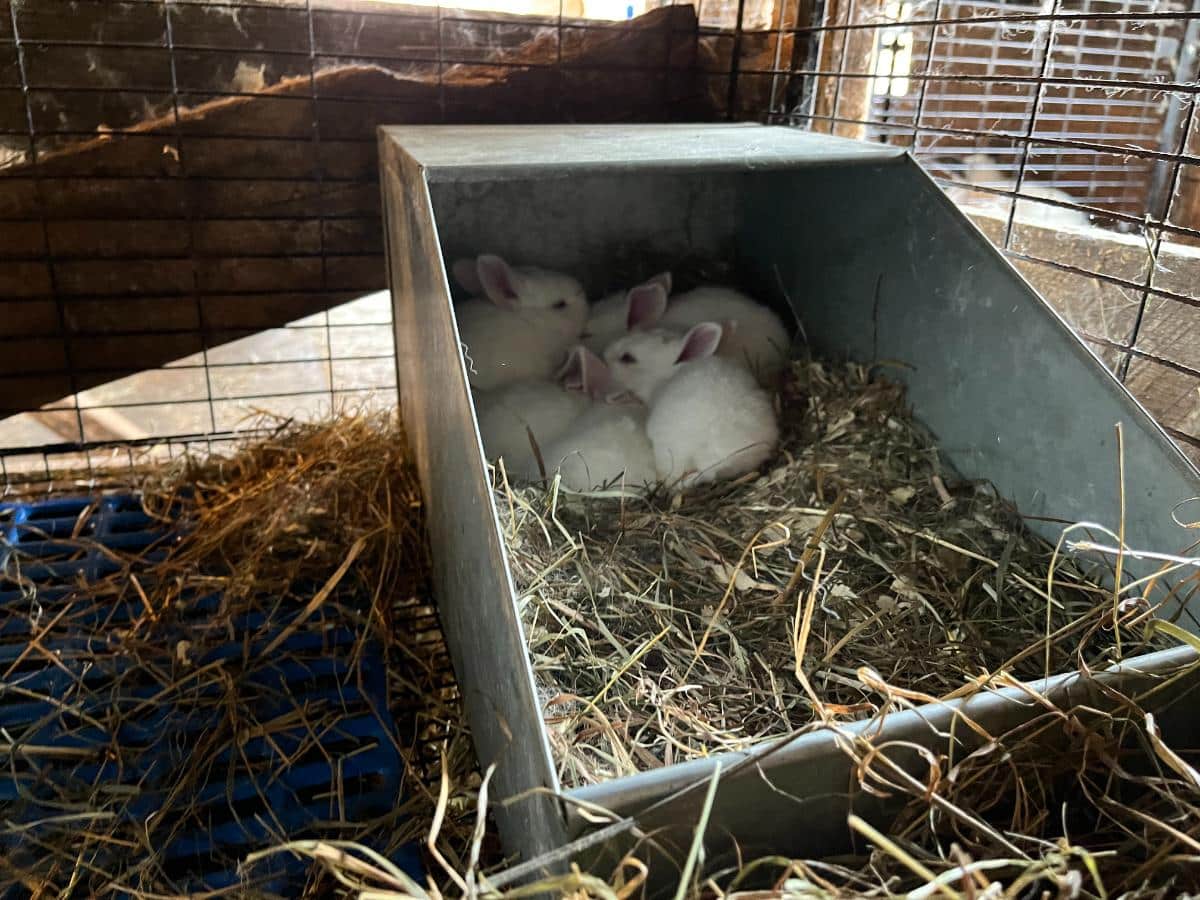
Now, I have to say, we do not raise our rabbits this way. I do buy pellets, and we feed supplemental hay. The primary reason for this is that pellets are readily available to me at a decent price from a local livestock feed store. They're a complete and balanced feed.
Even with the increases in feed prices, the cost of pellets is moderate enough that I feed them as our main feed. The top reason why I don’t grow my own meat rabbit feed is simply time and the work involved.
I’m not lazy, but I’m busy, and growing, harvesting, storing, and feeding enough variety of grasses and garden products to feed my rabbits is more time and effort than I want or need to devote to growing meat rabbits right now.
I have a fast, efficient system for feeding and caring for my rabbits on a modest budget. Even paying for pellets, the math comes out very much in my favor.
BUT. If I ever wanted to, I could. Many people do. The book Beyond the Pellet is a great place to start if you’re interested in growing your meat with absolutely no reliance on outside commercial feed sources.
It’s nice to know that if feed became unreasonably expensive or the infrastructure collapsed, and I could no longer buy commercial rabbit pellets, I could easily keep them alive and growing, feeding my family on food that can be grown pretty much anywhere.
While it’s technically true that chickens could be fed the same way, it’s difficult to do and difficult to get good growth rates and meat yields with the chickens that are available for meat production today.
Which brings me to the next point.
6. Rabbits are still rabbits and still grow naturally, as rabbits should
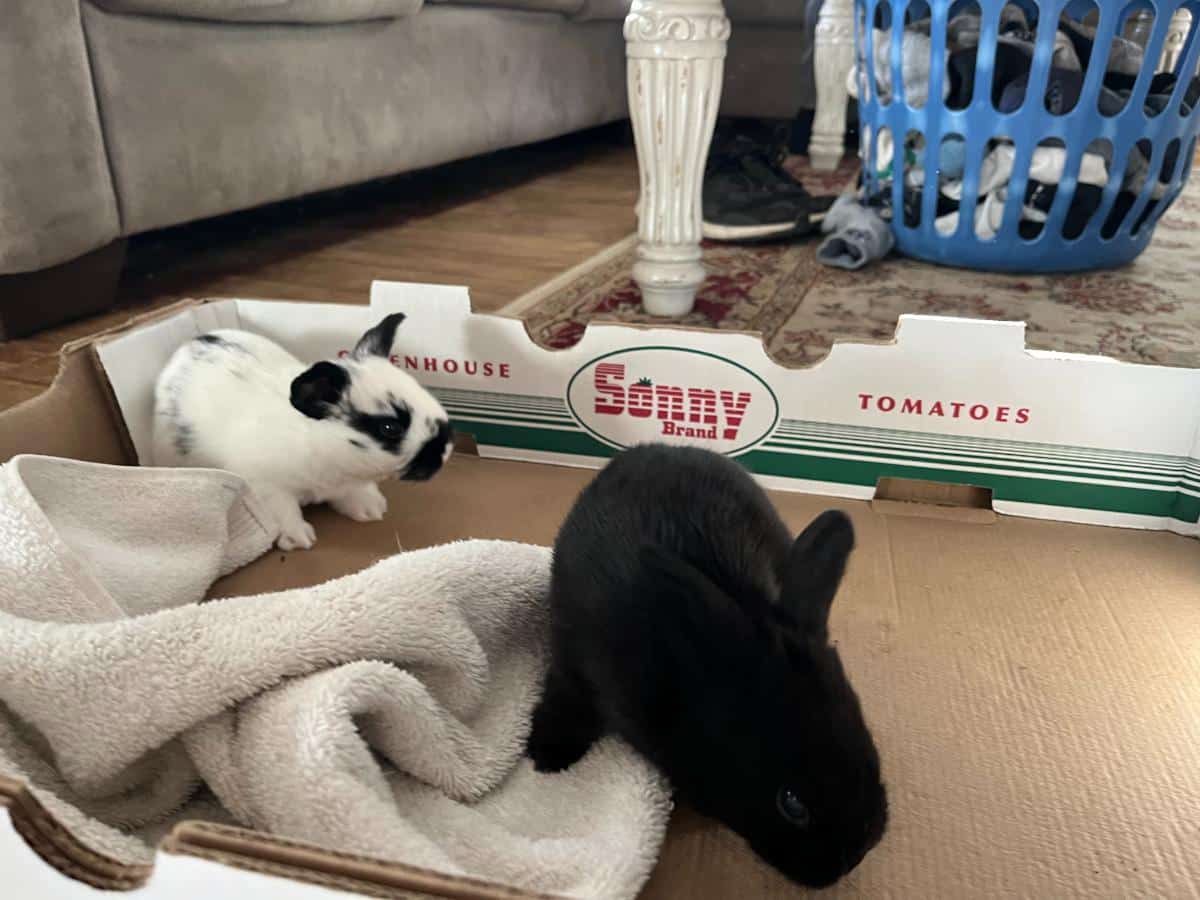
“Frankenbirds”.
That is what I dubbed the meat birds we raised because they are not natural chickens. They don’t range like chickens, roost like chickens, reproduce like natural chickens could, and they are not as hardy as natural chickens.
They are unnatural birds that were developed for heavy double-breasted meat and fast production. At a cost. At the cost of high mortality, large (smelly) messes, and lots of cleaning and upkeep.
Rabbits—even commercial meat rabbits—are still natural rabbits. The end.
7. Meat rabbits require no additional utilities and electricity expense
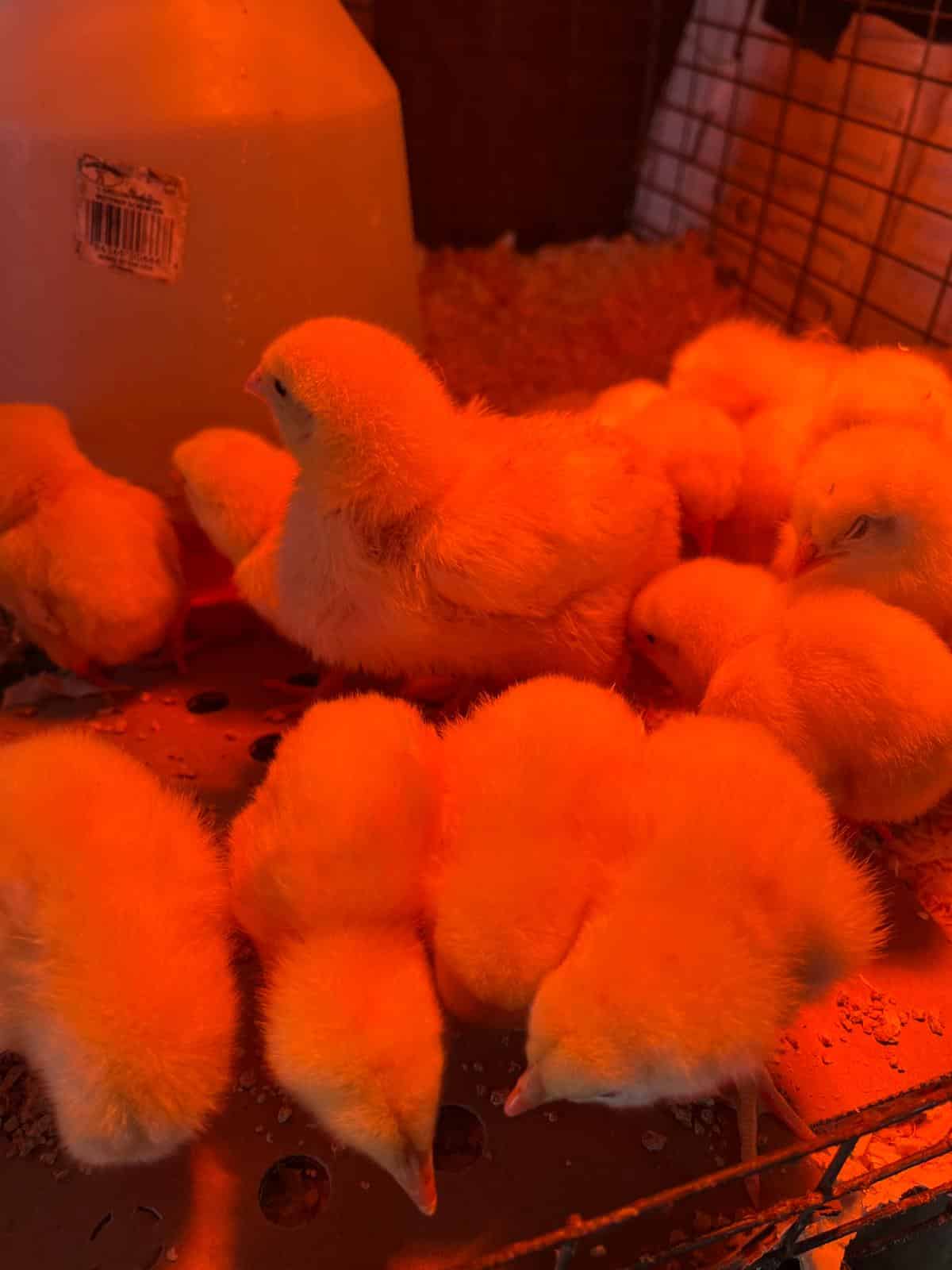
If you don’t have heritage breeds of heavy chickens as your meat chickens, you have chicks that are bought in for every set and that need to spend weeks under heat lamps or brooders. (And if you have heritage-type chickens for meat, their growth rate and feed conversion are completely different, and it will be 6 months before your birds are big enough to harvest, with much less meat.)
That is a significant electrical expense and one that increases the overall cost of raising your birds.
Rabbits do not need additional heat sources. They need good housing and materials but otherwise will survive naturally and keep themselves—and their young—warm. In fact, they’re healthier and better off without it.
8. Rabbits are a greener and more eco-friendly meat choice than chickens
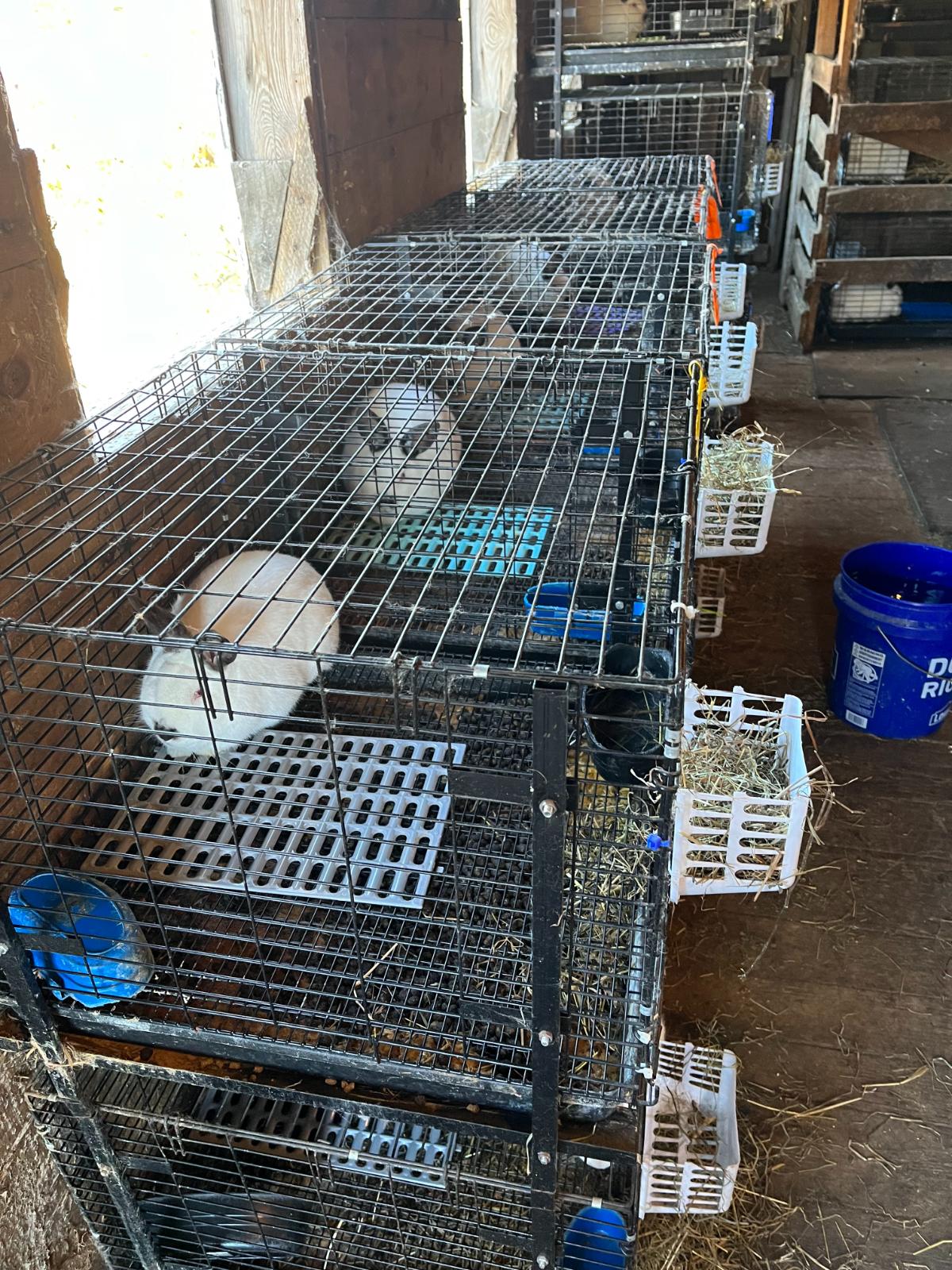
All things considered, between the shipping and transportation of new chicks, sustainability and reproduction rates, utility/electricity costs, low waste, and other factors, meat rabbits are one of the “greenest” and most eco-friendly meats you could raise.
9. Processing of meat rabbits is much faster and easier
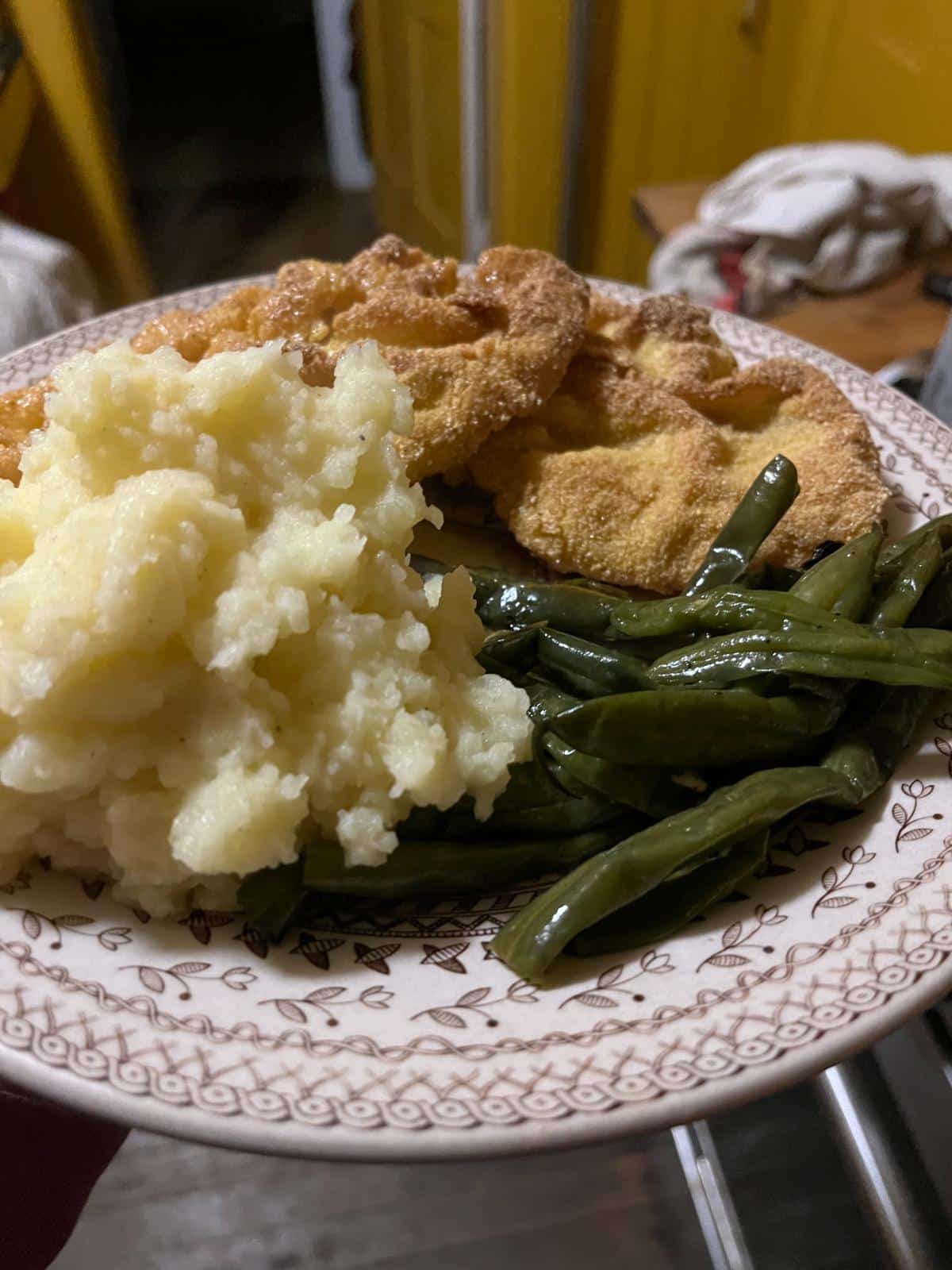
The ease of processing is one of the major factors in why we switched exclusively to growing meat rabbits for our home.
From setup to breakdown, it is much faster to process meat rabbits. You don’t need more than a good knife and a cooler or pail to cool the meat. Maybe a table if you like to have one handy. You can jump into processing right away with no hour-long preparation.
The whole process of harvesting a rabbit is dispatching, bleeding (a couple of minutes), skinning, and eviscerating. That’s it. Minutes for an experienced person and only 10 to 15 for a beginner.
Chickens take longer to process, start to finish, and there are many more steps involved. The setup alone takes an hour to get scalding water up to temperature and to set up your plucker, a table for eviscerating, waste pails, etc.
Each chicken has to be dispatched, bled, scalded in hot water, plucked, eviscerated, and then cooled. It’s a long process. Not impossible, but certainly more involved than processing a rabbit. Oh—and feathers make a huge mess and are a disposal issue.
Processing chickens is a difficult process for a single person, whereas a single person would have no trouble setting up and managing the harvest of a whole litter of meat rabbits.
10. Processing meat rabbit does not require a lot of specialized equipment
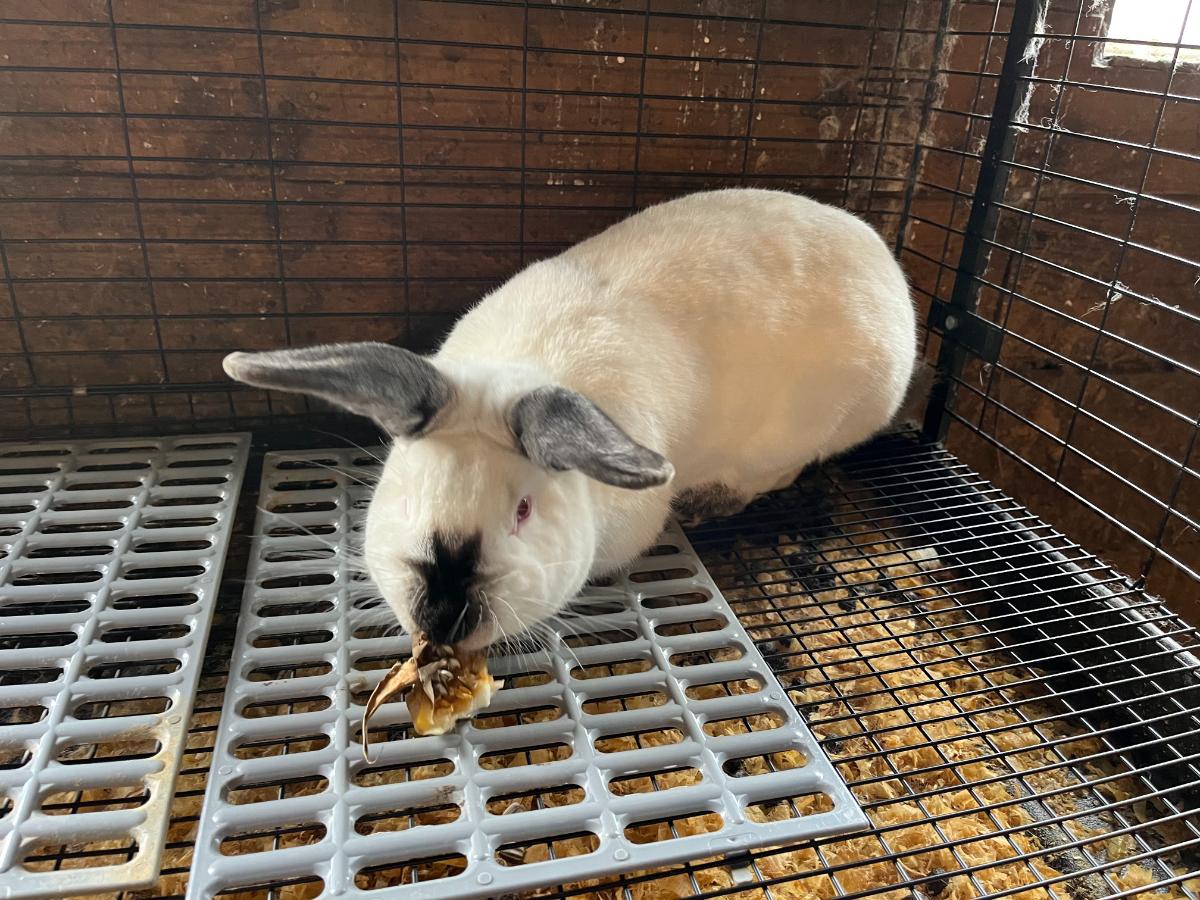
Technically, you could process chickens with little equipment, but it’s difficult and time-consuming and greatly extends the processing time. (Think hand plucking!)
For the most efficient, cleanest, and best processing of chickens at home, you will need cones for killing and bleeding, a large scalding pot, and a heat source to heat the scalding pot (such as a propane burner setup)--preferably one with controllable flame and heat, a poultry plucker, processing table, and knives for eviscerating.
To efficiently process rabbits, you need a good knife and something to hang the rabbit from for skinning. We use baling twine from a wood shed rafter.
11. Rabbits are more friendly, enjoyable animals
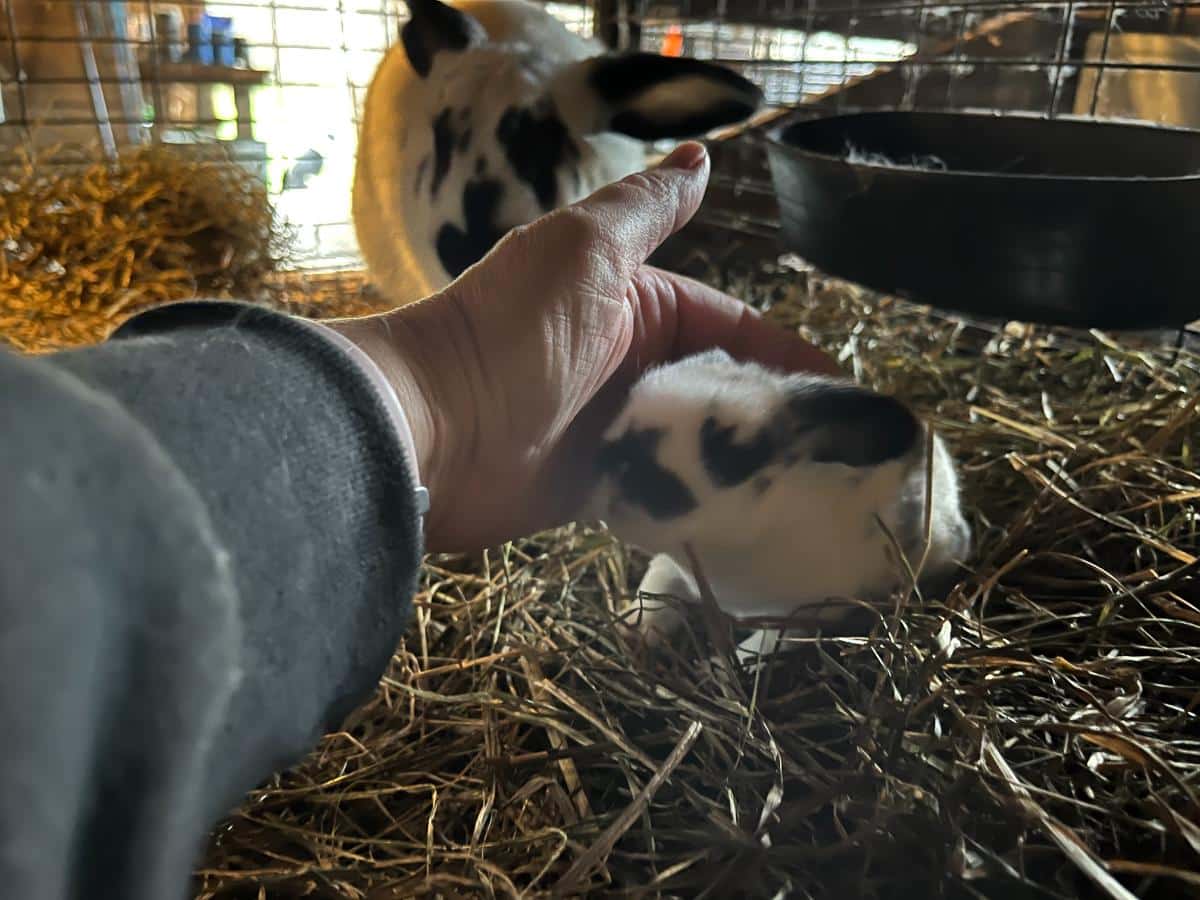
Rabbits can, of course, be pets, which means they are friendlier, more enjoyable animals than chickens. This may be a matter of opinion, but I dare say it’s one that holds true for most people.
We’ve had some friendly chickens, but none that I would consider a pet, and few had enough personality to set themselves apart as something you could name—or tell the difference from another.
Now, you don’t want to make pets of your meat, per se, but you can make semi-pets of breeders, and kids always enjoy the rotation of youngsters. By the time they’re bored with them, there are new kits to enjoy.
I’ve never kept a meat bird that I was sad to see go. To be honest, I was all too glad to be done with the messy birds. Maybe some people think that is a positive come harvest time, but I do like to enjoy the management and rearing of the animals I harvest. And yes, some long-term breeders become friends who I miss when they’re gone.
12. Meat rabbits present more opportunities for supplemental sales
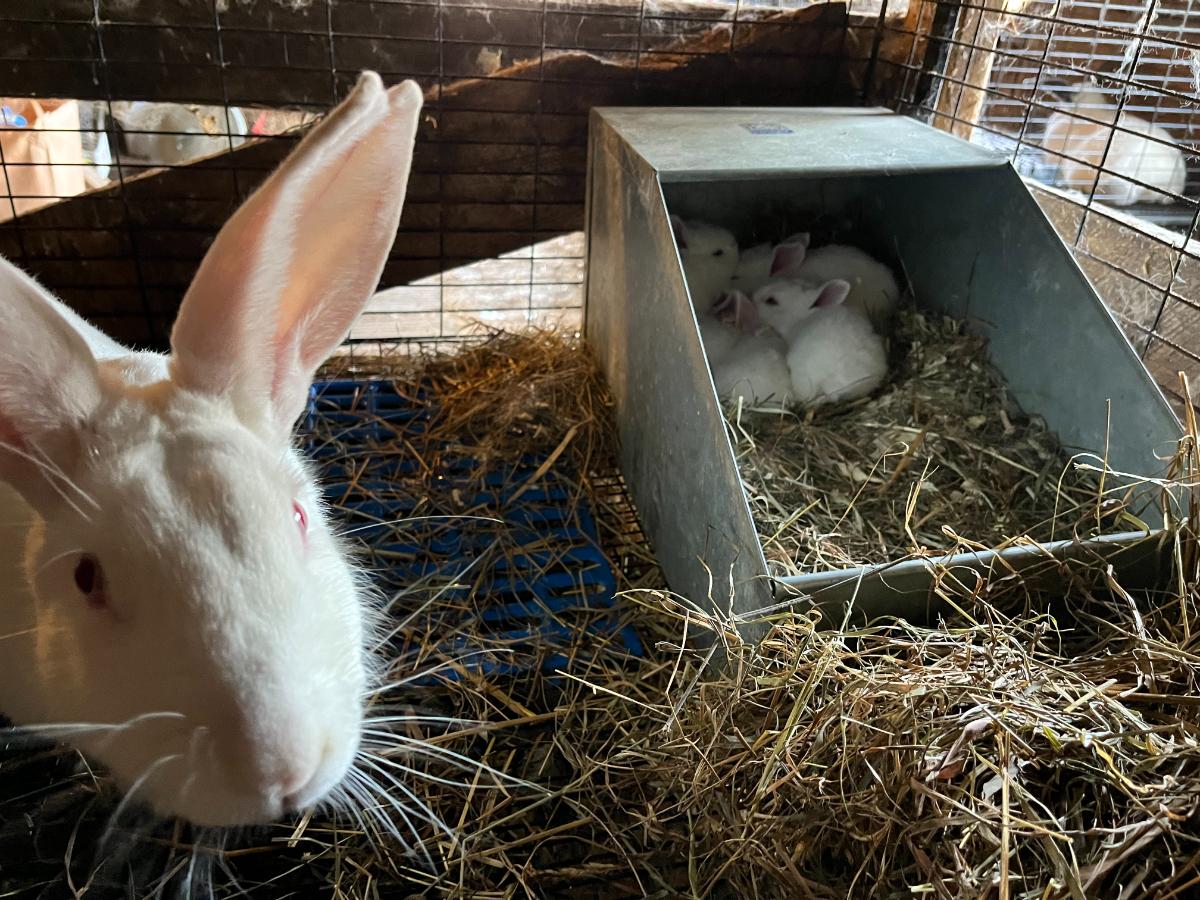
There are several markets for meat rabbits and their byproducts. You can sell some for pets, breeding stock, or meat and pet food.
Or you can just keep your rabbits to yourselves. But it is nice to have options and generate a little money to support your rabbit habit, which in turn further reduces the cost of the homegrown food you are growing.
The Bottom Line on Raising Meat Rabbits Instead of Meat Chickens
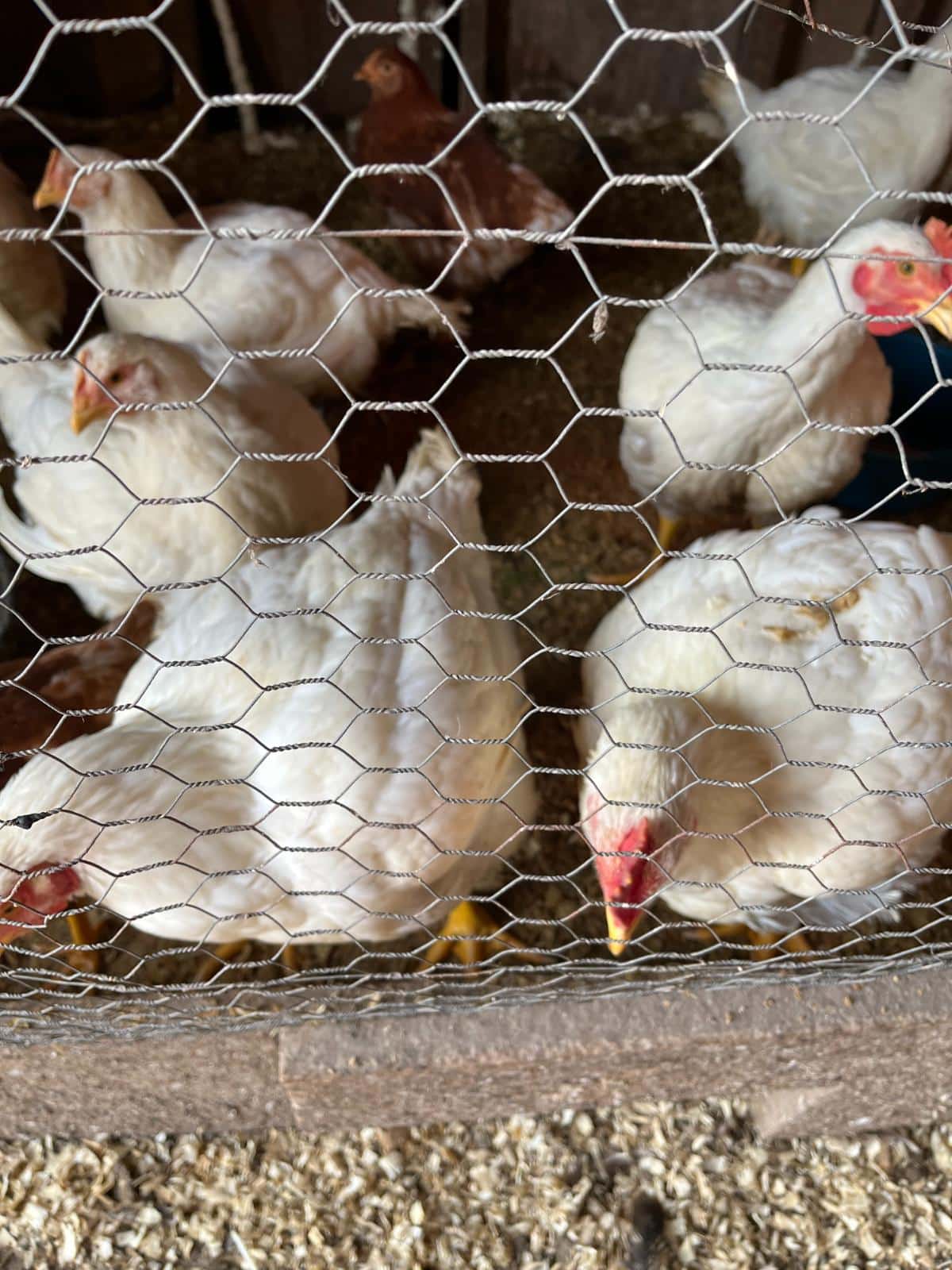
The bottom line is that rabbits are simply a more natural, efficient, cheaper choice of animals that are easier to manage and harvest than chickens.
I have tried growing different types of chickens for meat. I’ve grown many Cornish cross hybrids and ranger-type meat chickens like Red Rangers and Rainbow Rangers (basically the same birds but offered from different hatcheries).
I’ve grown dual-purpose chickens and full-breed heavy birds. No chicken has proven to be a better or more efficient choice than rabbits.
Overall, I’ve found rabbits, by comparison, to be far more enjoyable and, more importantly, more productive and sustainable, with an unmatched ease of processing.
Ease, efficiency, and enjoyment—my three “E’s” of raising meat rabbits, and why meat rabbits are better than chickens in my experience and opinion.
Rabbits versus Other Homegrown and/or Local Meat
As we produce more rabbits, we have come to use it more, and it is providing a larger portion of the meat for our home. We do still enjoy other meats, too. We simply use more rabbits. Whether cut, whole roasted, ground, cubed or pulled, there are many ways to use rabbit in place of other meats.
What little chicken we do eat, we’ve chosen to purchase locally from a reputable grower. This is at an overall cost savings because we have reduced the volume of poultry we consume, and so it is more affordable to simply buy it when we want it than to devote housing, feed, money, utilities, and time to growing chickens.
For us, growing meat rabbits has by far proven to be the better choice.
Brenda Rutka
I'd like to see how you keep the rabbits clean since they're on top of each other I know you must have trays underneath them to collect the manure in the urine but how do you exactly set up the Trade so that it works easily with other cages on top?
Mary Ward
These cages have slides built into the stacking frames. The plastic trays have 2 inch high sides and they just slide in under each cage.