
You’ve done your reading, have a solid foundation of research behind you, and you’re ready to buy meat rabbits so you can raise your own homegrown meat. Now the question is, how many rabbits do you need?
Jump to:
Start with At Least a Breeding Pair
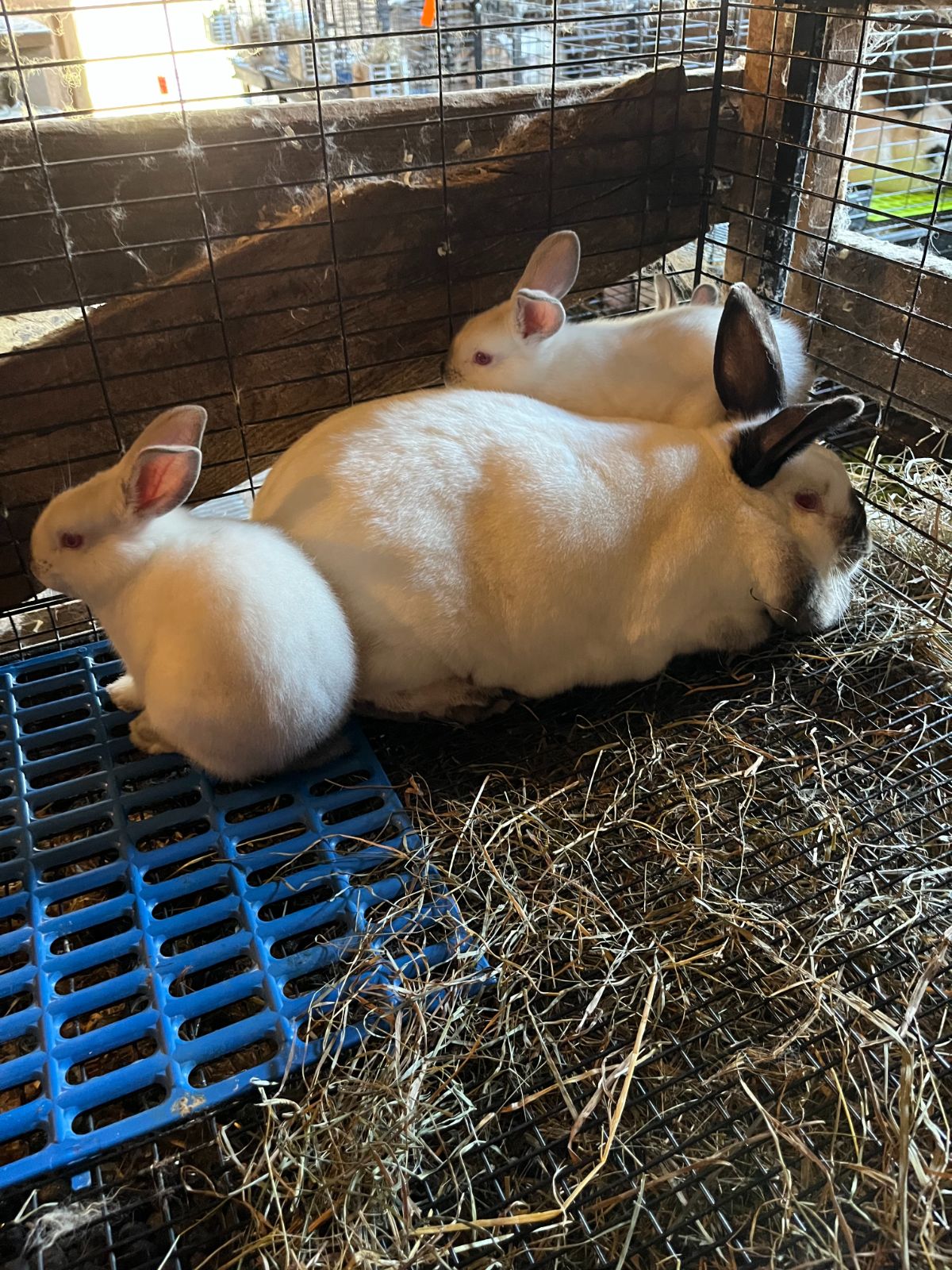
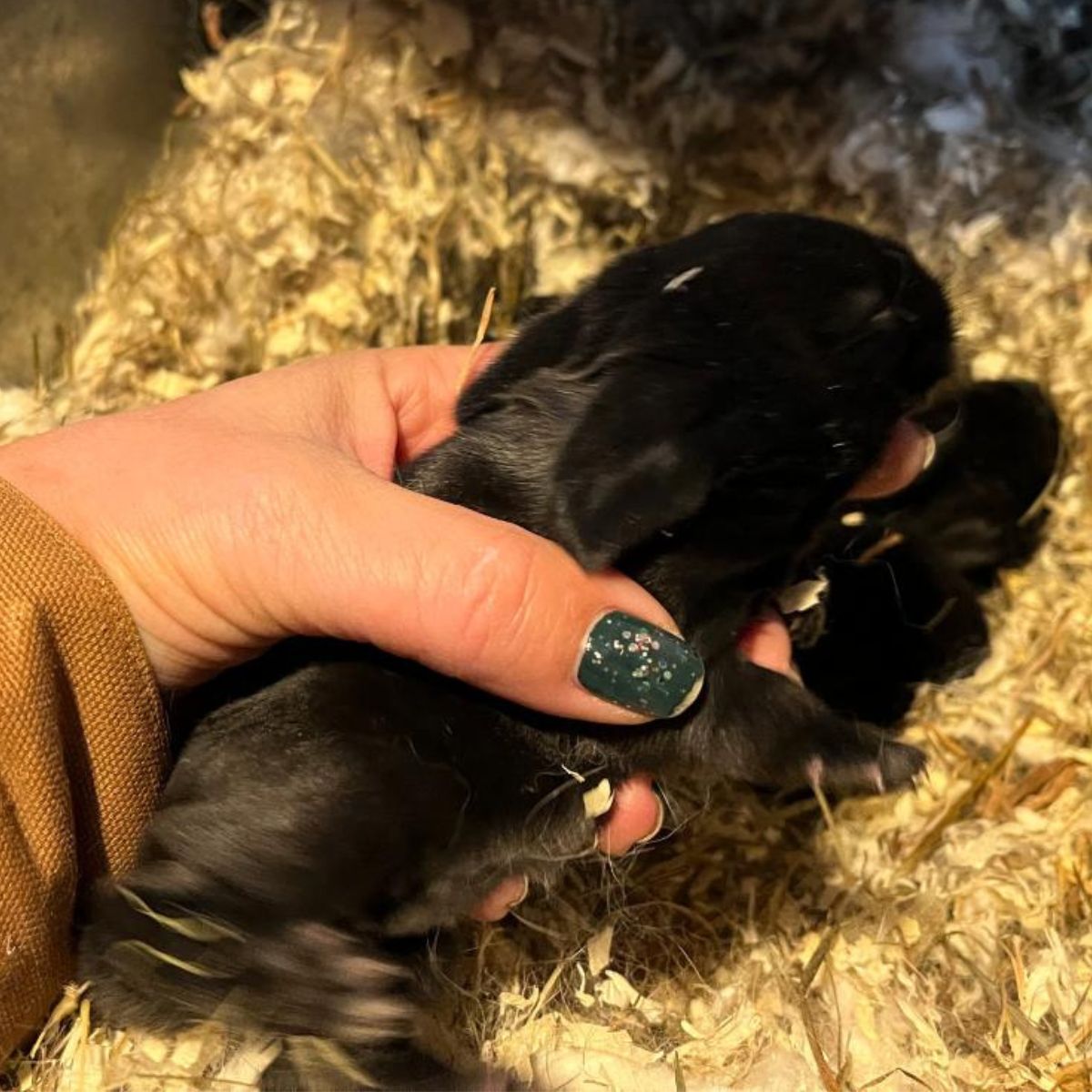
A breeding pair of a male (buck) and a female (doe) is all you really need to get started. A single pair of good quality commercial breed rabbits (that is to say, rabbit breeds that are intended for size and meat, not necessarily something that is grown on a commercial farm), can produce between six and eight litters of kits (baby rabbits) in a year—and that’s if you only breed them every six to eight weeks. Rabbits are capable of breeding at an even faster pace, and they often do so in the wild.
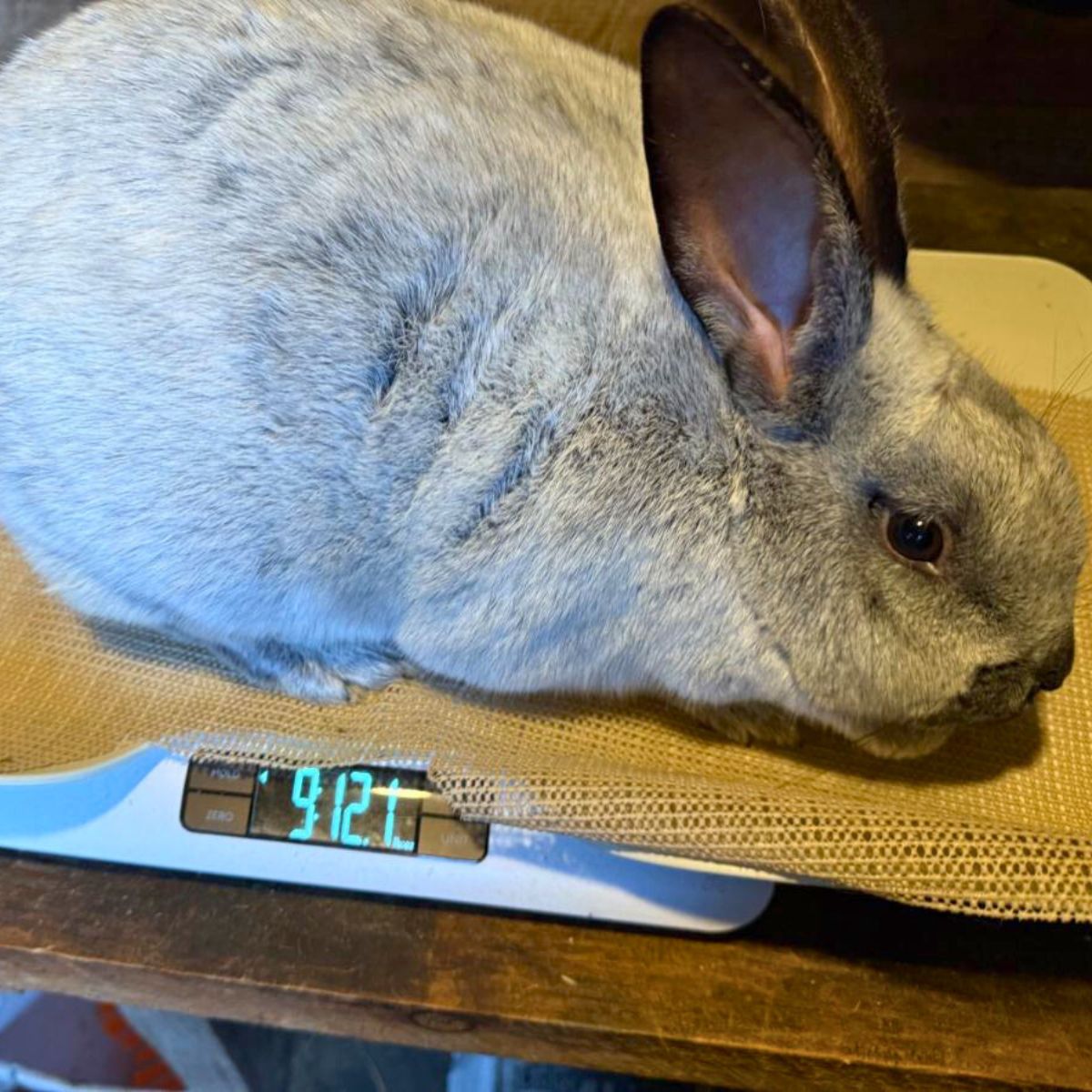
A single breeding pair of rabbits will produce about 100 to 150 pounds of dressed meat in a year. This assumes you are harvesting the litters of grow outs at fryer age/stage, which is about 10 to 12 weeks (about 3 months) and five pounds live weight. If you grow your rabbits out longer, to 16 or 20 weeks (about 4 to 4 and a half months), you can increase this number by 30 to 50% (that will require extra housing and cages for the grow outs to be kept for an extra month or two).
This also assumes you are rebreeding your rabbits at an interval of about eight weeks. You can reduce this down to six or even four weeks without harm to your breeding doe if she is well cared for and properly fed. You will want to keep an eye on her condition and give her a break or space out breedings a bit if she seems thin or in poor condition.
If you decide to breed at shorter intervals, again, you need to have a plan to house the litters of grow outs until harvest.
If all goes well and you buy a pair of quality breeders, to begin with, you can certainly start with just a single buck and a single doe. Ideally, the buck will not be related to the doe, though linebreeding and breeding parents to offspring or half-related rabbits is not uncommon in the rabbit breeding world, either.
It is important, especially if linebreeding or breeding rabbits that are related in any way that you do not buy rabbits with poor qualities or health issues (even small health issues like an allergy or sneezing). This is because linebreeding will highlight and worsen the qualities of the rabbits. If they have slow growth or are prone to illness, that will come out double-fold in the offspring. On the other hand, if they are stellar animals with no apparent faults, the good qualities will be enhanced, too.
A Trio Beats a Pair
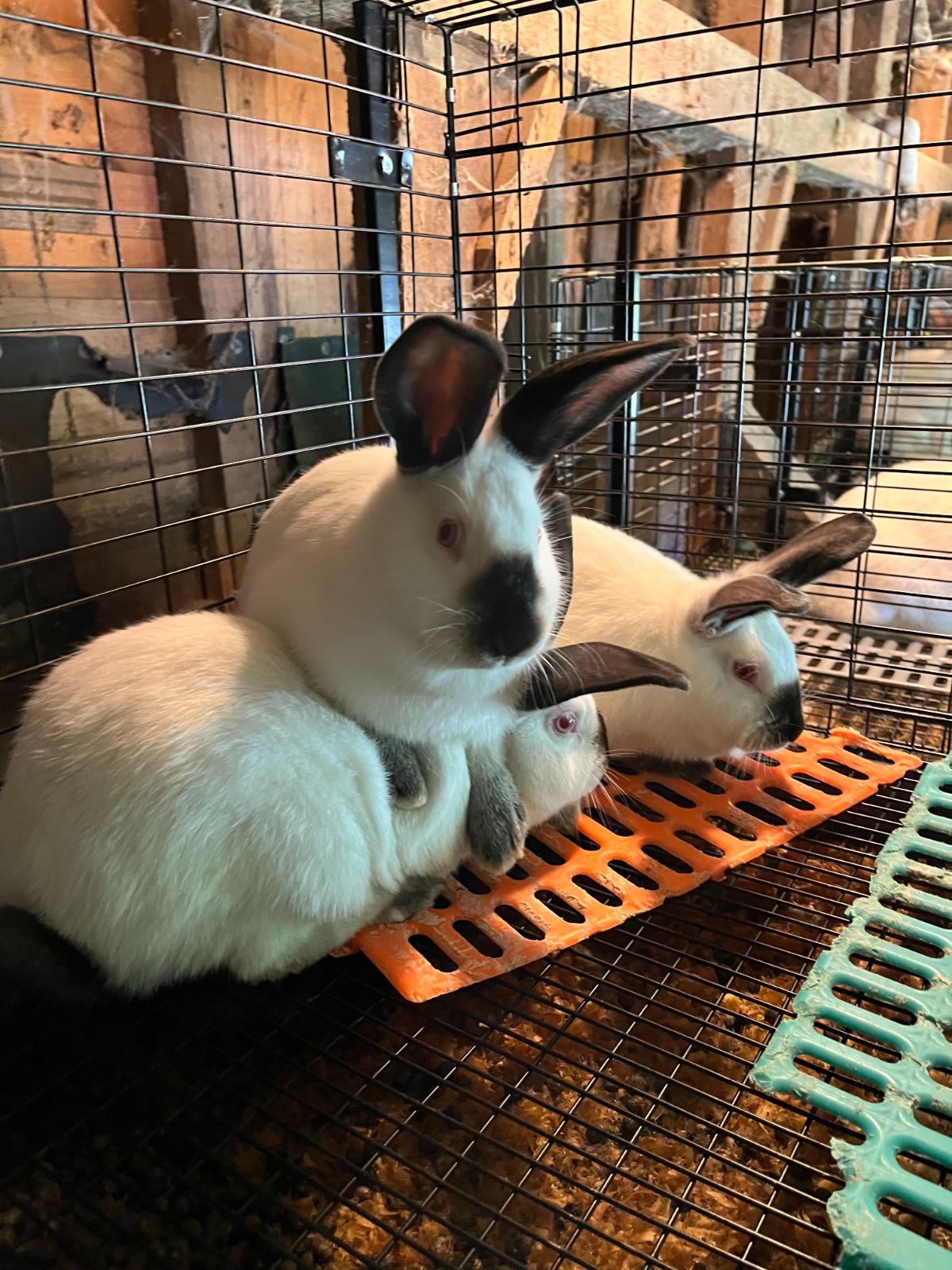
A pair of meat rabbits is a good and solid start, but what is more commonly recommended, and what most new breeders do, is to start with a breeding trio.
A breeding trio of meat rabbits is a set of two does and one buck. There are a few good reasons why trios are preferable to a single pair:
- When you have two does, you can breed them at the same time, and if something happens to one of the does, or if one has a very large litter or they fail to care for their young, you can foster some or all of the kits with the second doe, since she will be in milk and ready to care for kits.
- If one doe does not breed or has difficulty breeding or birthing, you have a second as a “backup”.
- You have more potential genetics and qualities to select from and cross in future pairings, including in keeping a doe or buck from one or both does to raise as a breeder, which can then be further selected, crossed, and mixed.
- You double your meat production (I.e., litters and offspring), each time you breed. Higher production with just one more cage!
There is no problem keeping only one buck to “cover” (or breed) two or more does. A single buck can easily breed between five and ten does in a program and maintain good fertility. They can breed two or three does in a single day without issue. If you are breeding more than that to the same buck, it’s best to let him rest for a day or two before breeding the next set so that fertility remains high and the buck does not become exhausted.
If you have the option of mixing up the genetics (in other words, in getting three different rabbits with none of them related to each other), that will give you more to work with in terms of keeping and raising replacement breeders in the future. It’s nice to start with unrelated pairs and trios because then you can easily expand your breeding stock and still keep a good genetic mix.
But as above, linebreeding and breeding of related or partially related stock, when the stock is of good quality with no major or apparent faults, is completely acceptable and is common practice in the rabbit breeding world.
This can be a hard concept to accept and engage in when you first start keeping rabbits, but it’s life in the rabbit world. It’s how a lot of the better lines were bred—by selecting breeding crosses not by relationship but by best and favorable qualities. Rabbits are somewhat bred for linebreeding by nature. In the wild, the genetic pool is not that diverse, and wild rabbits are often breeding to offspring and relations. Rabbits do not suffer the same faults and diseases as other animals do when they are bred to close relations.
Research and experienced breeders will all tell you the focus should always be on quality and good selection. A common refrain of experienced breeders and rabbit experts is, “Breed the best to the best, and forget about the rest!”
How Old Should My Starting Breeder Rabbits Be?
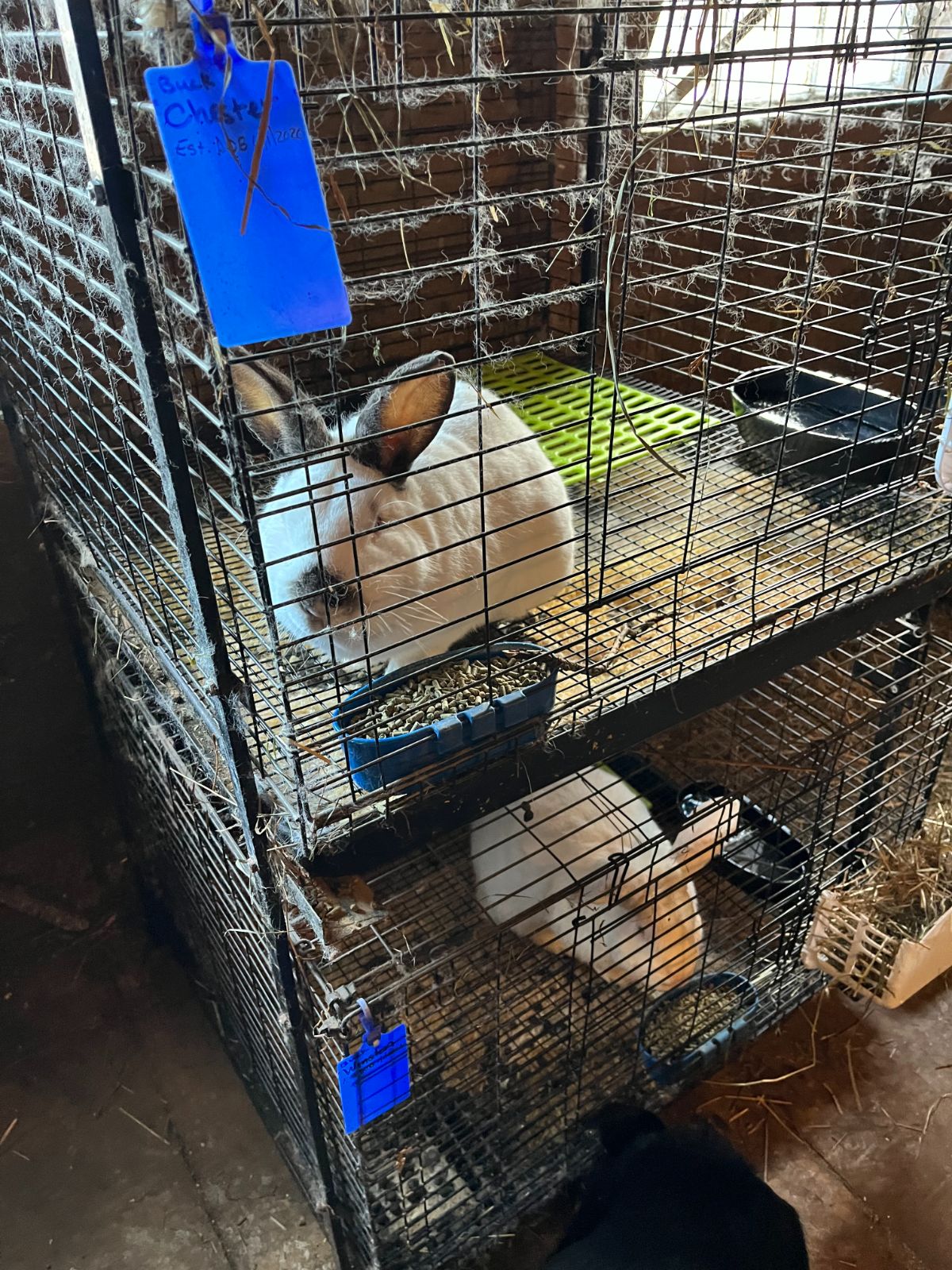
Medium-sized rabbit breeds (which are what the best meat rabbit breeds are considered to be, medium) reach sexual maturity at about six months. Does can be bred for the first time at five or six months. Bucks may need an additional month to mature, so it is generally accepted that seven months is the right age to start breeding bucks. Your breeders should all have reached full size and weight for their breed before they are bred.
So, the short answer here is that breeders should be at least six months old before you breed them. Do know that inexperienced breeders—both bucks and does—may be slow to figure things out, so it’s not uncommon for unproven and inexperienced young breeders to need a few cycles and breedings to have a successful litter. (It is also not uncommon for a new young doe’s litters to be on the small side for the first two or three liters—this is not always the case, but if it happens, it is not cause for alarm.)
If you are also new to breeding rabbits, things might go more smoothly if you buy a “proven” pair, or at least a proven buck or doe, as part of your pair or trio. Proven simply means that a doe has successfully given birth and raised a litter or more and that a buck has successfully impregnated a doe that gave birth. It’s not a bad idea for a new rabbit breeder to buy an older set of breeders to get started with. More experienced animals will help flatten your learning curve, especially if the does are known to be good mothers.
Don’t be afraid of buying a doe that is a year old or older, even up to two years, if she is good and proven. The same goes for the buck. You may have to replace them earlier than you would replace a young set, but you also are less likely to lose time with inexperienced animals that need to ramp up and get going. You can always keep the best offspring from your older breeders and raise them to be your next breeders. They’ll be ready in about six months’ time!
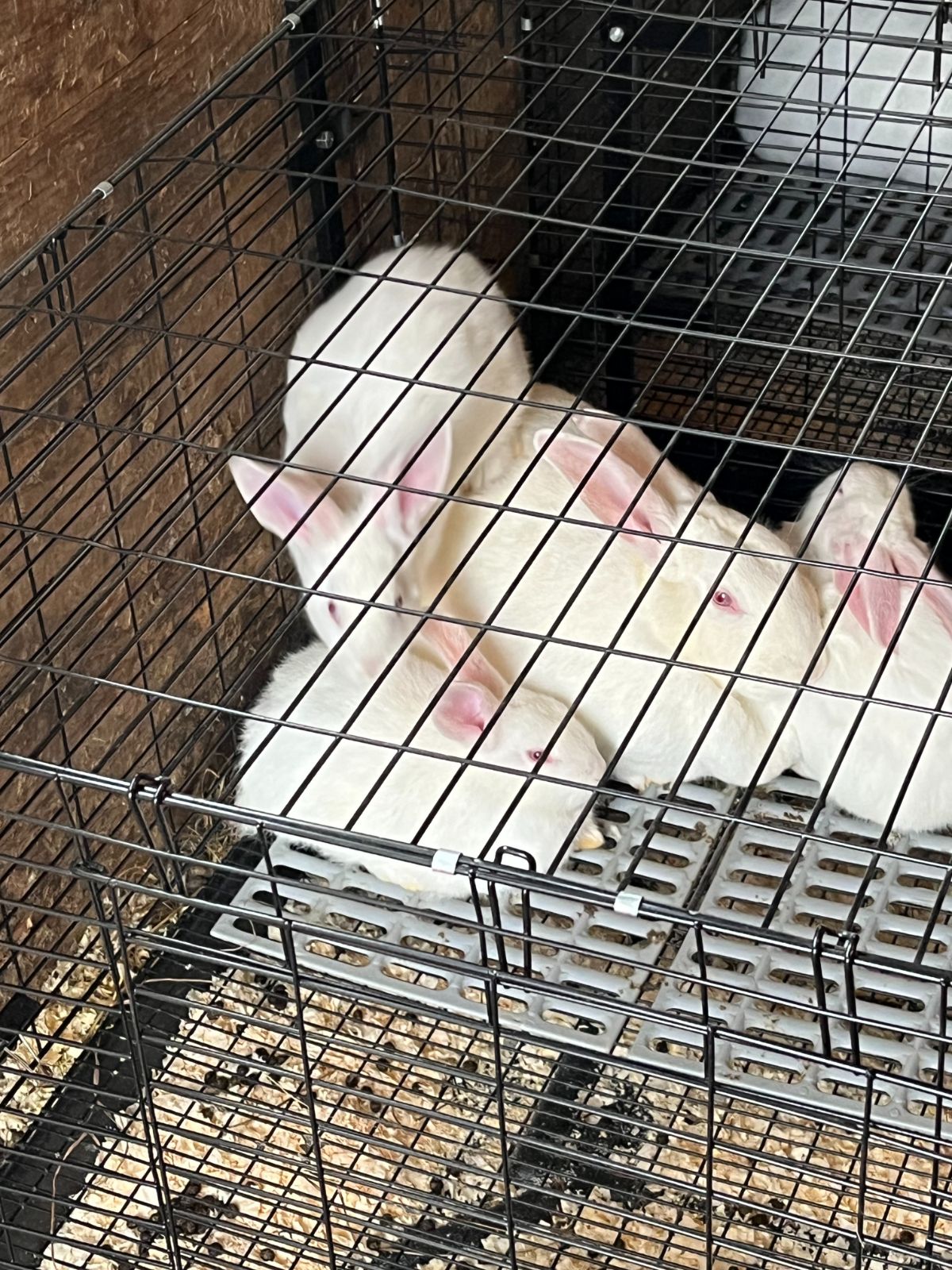
Note: six to seven months is the average age at which rabbits breed successfully and reliably, but rabbits, both bucks and does, may be able to breed as young as four months or 16 weeks (about 4 months). For this reason, if you don’t want unexpected litters, make sure you keep does and bucks separated from 12 weeks (about 3 months) on. Also, when bucks begin to reach sexual maturity, they will begin to urinate on each other, spray and mark areas, and fight. Separate rabbits by this age to avoid problems and injuries.
You should get at least two good years (and more like three or more) of breeding off a young pair or trio of breeding rabbits. With good care, you may have bucks, and does that live and produce for five or more years. A lot depends on their genetics, how often they are bred, knowing the age when you bought them, and the quality of care.
Typically, breeders are culled or retired when their litter size steadily decreases (for either the male or the female), or the body condition does not rebound to a state that looks healthy for the stress of breeding and birthing.
Some people retire bucks or does earlier so that they know their rabbits will remain productive, and they don’t risk losing older animals without replacements. You might also retire and replace breeders when you feel your genetics need refreshing. Replacements can come from within your own rabbitry (select for the best growth rates, temperament, and quality!), or you can purchase from outside stock to bring fresh genes into your program.
Plan from the Start for Housing Grow outs
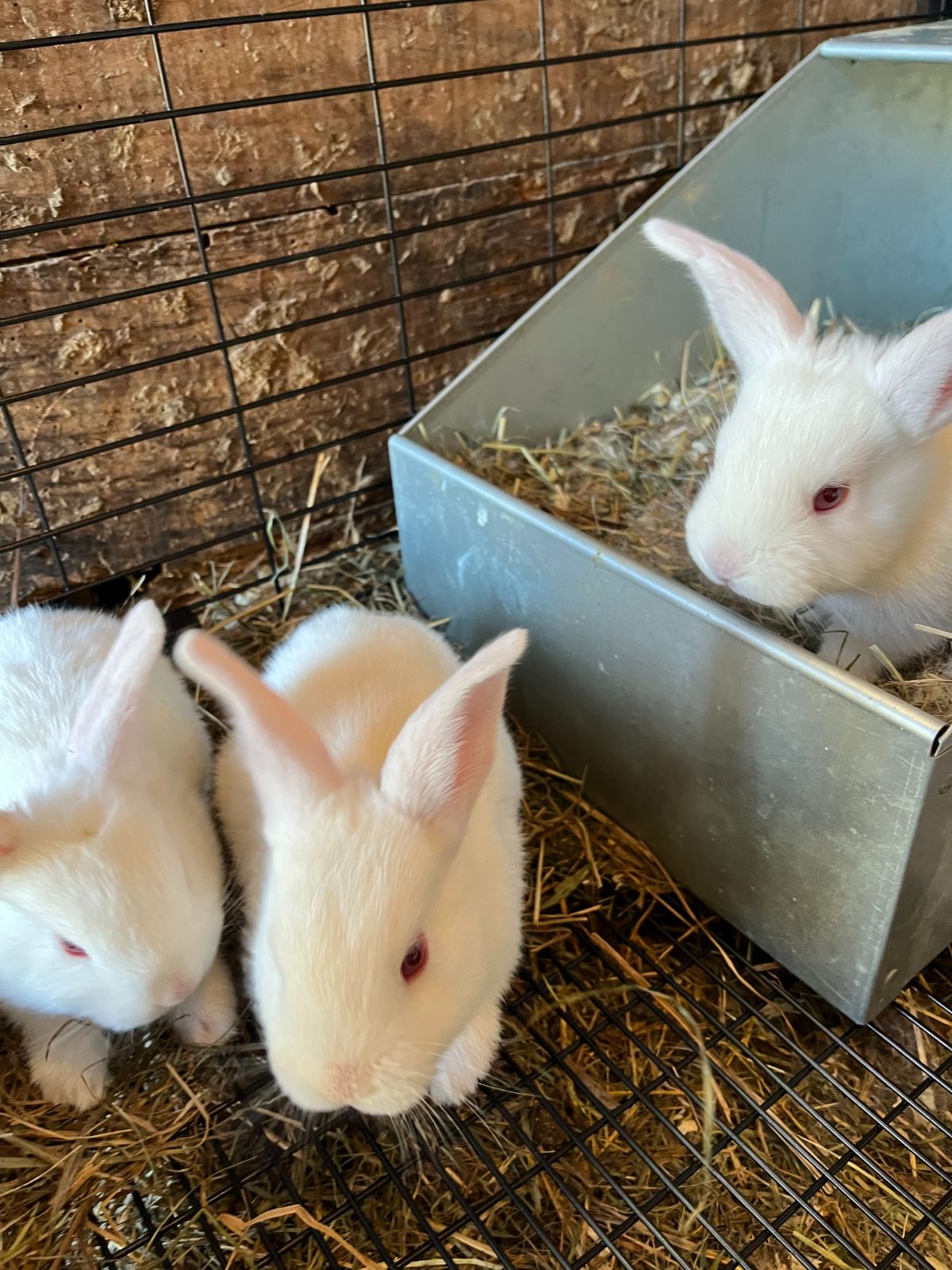
This is something that new breeders tend to overlook. We think about the breeders. We think about their cages and their housing needs. We forget that in as few as five or six weeks, we will need to be separating their litters from them.
And that’s six to ten (or more) rabbits that will need a new home. They’ll need the space and the reduced competition from mother and littermates to keep feeding and growing.
Young that are growing to harvest age (called “grow outs”) don’t need the space that breeders do, but they will need some space. You can keep litters or littermates together, but it’s not usually smart to mix unrelated rabbits.
It’s often best to at least separate the does from the bucks in the litters so that you don’t have fighting and urinating or accidental breeding (something that’s more of an issue if you plan to keep rabbits to an older age before harvesting).
The more you can separate and space out grow outs—say one or two to a cage—the lower the competition for food will be, and the better smaller, weaker rabbits can grow. An investment in cage space can, over time, increase growth size and payout in dressed meat.
However you decide to manage your grow outs, you need to plan for it as soon as you start breeding. It won’t be long before those rabbits need to move along to keep your program going and producing.
In reality, cage and housing availability is often one of the biggest factors that dictate how often you breed your rabbits and how much meat you produce. If you don’t have the space to grow them, you can’t keep breeding, even if your does are ready.
Get Yourself Off to a Good Start Breeding Meat Rabbits
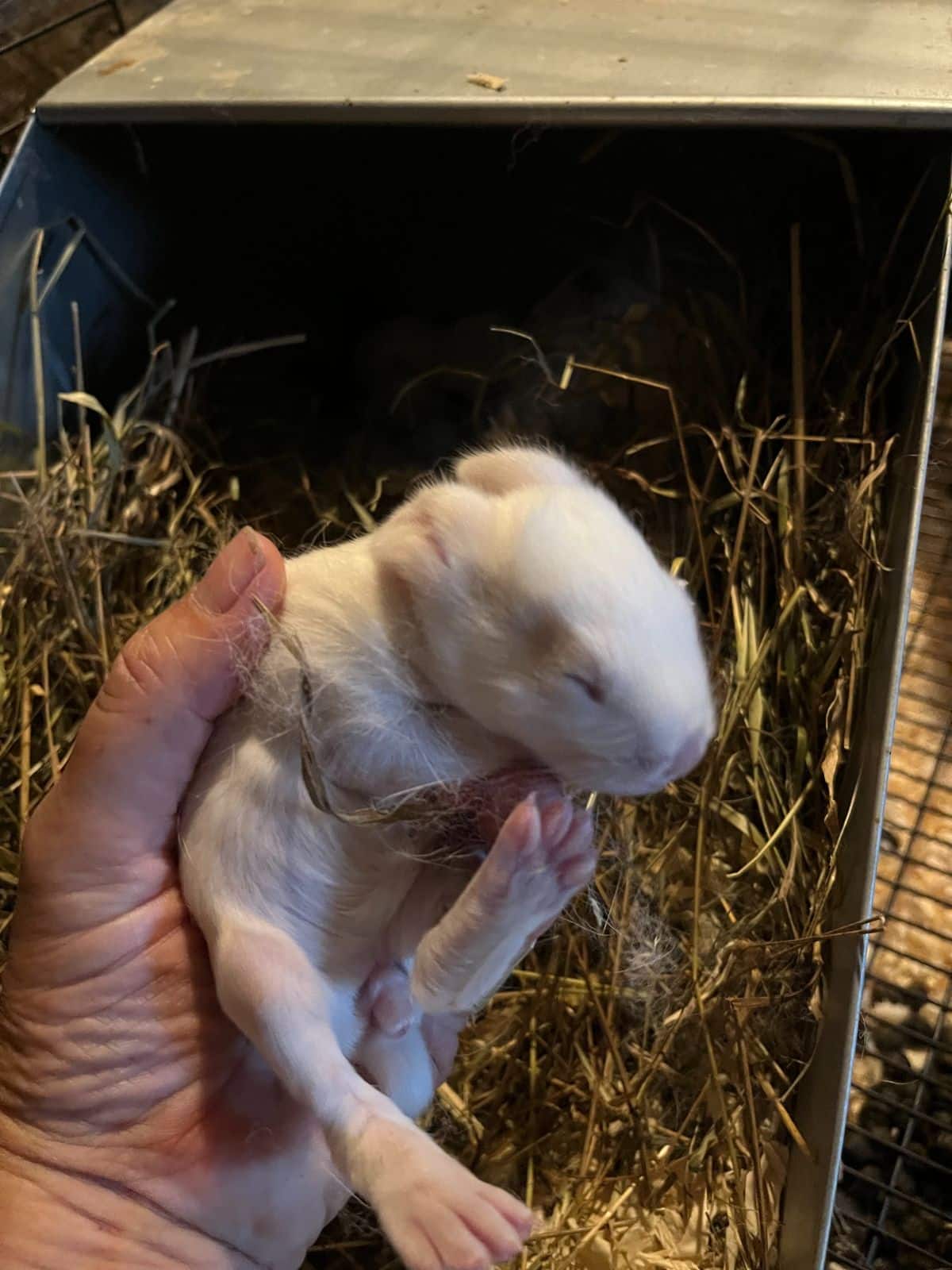
You now have all the basic information you need to get yourself going and growing your own homegrown meat. Start researching and tapping into the local rabbit markets. Take the time to find good, reputable breeders with good animals to offer. If there is nothing available locally, cast a wider net and consider a drive or a rabbit transport service.
Now that you know what you’re looking at in terms of numbers, you can plan housing and start shopping for your first pair or trio of meat rabbits to breed. That’s when the fun—and the sense of accomplishment—begins!
Leave a Reply