
They say in life, timing is everything. So, is there a good or bad, right or wrong time of year to start your new rabbitry?
Perhaps, but it’s more accurate to say that the right time for you will be with all things considered, including your intended breeding times.
Jump to:
- Any Time of Year Can Be a Good Time of Year for Starting a Rabbitry
- But Some Times of Year Are Better Than Others
- VIDEO: What’s the Best Time of Year to Start Your Rabbitry?
- Things to Consider When Timing Your Rabbitry Start
- Advantages (and Some Disadvantages) of Starting a Rabbitry in Different Seasons
- The Best Overall Time of Year to Start Your Rabbitry (If We’re Forced to Choose A Time)
Any Time of Year Can Be a Good Time of Year for Starting a Rabbitry
Truth be told, you can start your rabbitry at any time during the year. But there are certainly times of year that are easier than others. And there could be some things that prohibit you from starting in some of the more challenging times of year.
Something else to consider when you’re deciding when to start is this:
What is your definition of “starting” your meat rabbitry?
Are you only looking to start keeping or raising your future breeders?
Or, by “starting,” are you planning to begin breeding immediately?
Note, there isn’t a right or wrong answer here. It’s all in planning and timing. But there are several factors that will impact that planning and timing. All things considered, those factors may dictate when you are able to start your meat rabbitry.
But Some Times of Year Are Better Than Others
That said, and considering the different factors and tasks that you will need to accomplish to safely house and care for your meat rabbits, certain times of year are likely easier than others to start a rabbitry for your first time.
Certain times of year are simply smoother sailing, with fewer challenges brought on by caring and maintenance. Some times of year are much easier to build hutches, housing, and construct setups. And that’s important. Because if you can’t construct proper housing, you’re not ready to get your meat rabbits.
Have your housing in place and situated before you bring rabbits home!
Do not bring any rabbits home until you have safe, permanent housing, colonies, or cages for them to go in.
Also consider that, as a beginning meat rabbit breeder, even though you will need to meet the challenges presented by all of the different times of the year eventually, it will be easier on you if you begin your journey at a time of year that is less challenging. Then, you can get to know your rabbits under more typical conditions. This will give you time to learn to feed and care for them, establish a routine, and better recognize when there is stress or illness.
VIDEO: What’s the Best Time of Year to Start Your Rabbitry?
Things to Consider When Timing Your Rabbitry Start
There are several things to take into consideration when choosing the best time of year to start your rabbitry. The following are some things to think about:
Weather and the ability to build and set up rabbit housing.
Is the weather cooperative where you can acquire or build proper housing?
There are many housing options for meat rabbits. Whatever you choose, it’s smartest and most efficient (including financially efficient) to start as you mean to go on.
If, for example, it’s the dead of winter and you live in a frozen, snow-covered tundra, this might be a poor time of year to try to build a shed barn, pole barn, or lean-to. This might be a bad time to establish a colony setup, especially if the rabbits cannot burrow and find themselves adequate cover and protection.
Access and ability to feed and water.
Some times of year, specifically winter, present real challenges for watering and feeding. Obviously, your future rabbits will need feeding and watering in the winter, but this is one of those things where some experience under your belt, or some time to get set up for more challenging weather conditions, is beneficial to the beginner.
Availability of breeding stock.
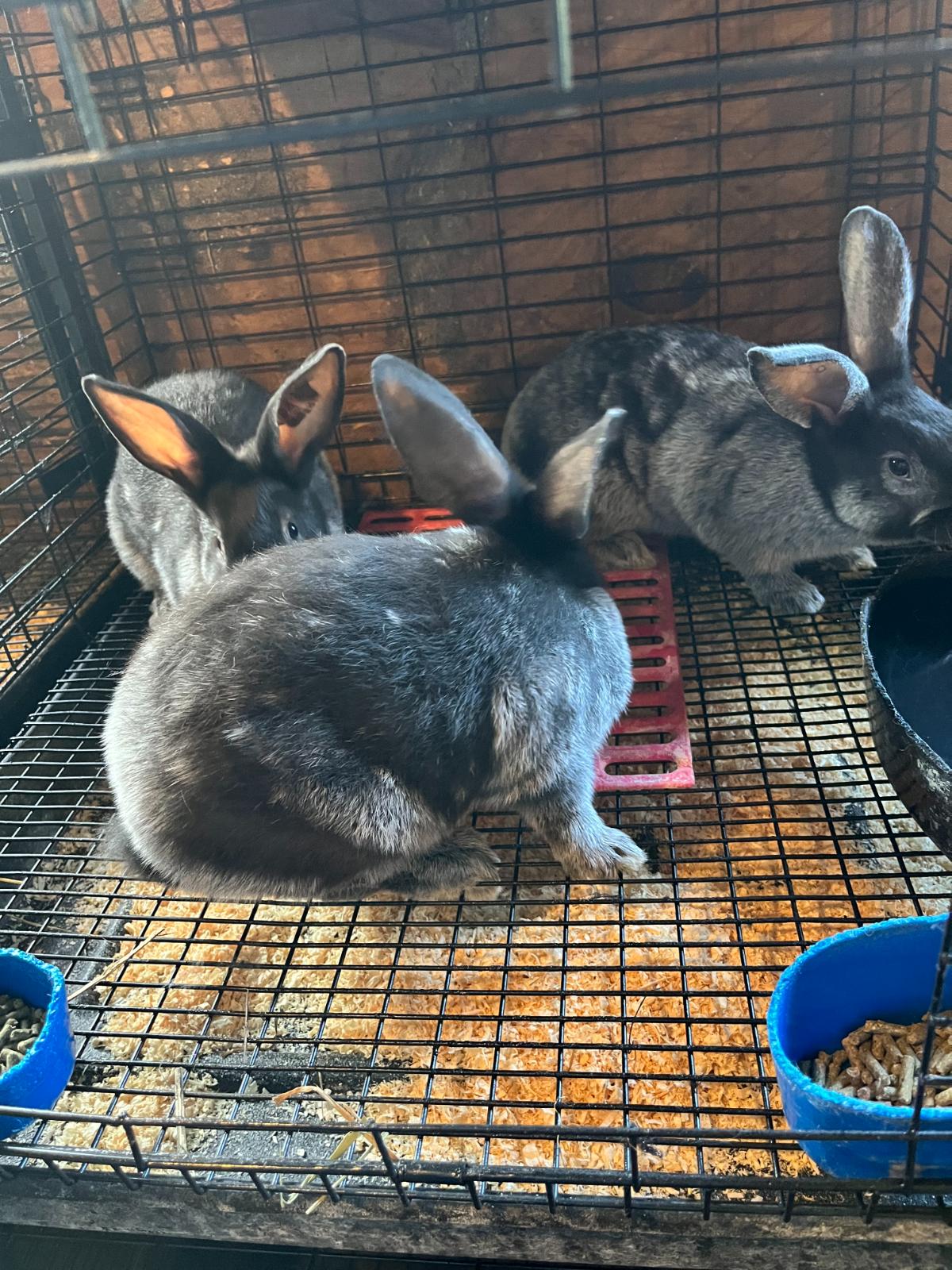
Some times of year are a lot easier to acquire the stock to start your rabbitry. You'll need to factor in when there will be foundation stock available to you.
Many meat rabbit breeders breed year-round, so there is always a possibility of stock being available at any time of the year. Some breeders stop breeding in the tougher months of the year. Sometimes, they have no choice if the summer heat is stopping their rabbits from breeding.
Typically, spring is a good time to acquire stock because it’s the time of year when breeders are ramping up their breeding. It is also the time of year when breeding just goes more easily, so litters are more prolific.
On the other hand, spring is a time when a lot of people tend to look for fresh breeding stock, or stock to start a new rabbitry. So, even though there may be more available, a lot of breeders say they have more rabbits available a little later in the year, towards the late spring and summer.
And then, there are times of year when stock may be more available because 4H projects are ending, or people are selling off this year’s show rabbits to make room for new breeding and show stock for the next year. The show season is a good time to find meat rabbits for breeding. Not only are there more litters being born, but breeders who show often sell rabbits (and plan to sell rabbits) at shows.
All of this is to say that you will find ebbs and flows in the availability of stock to start your rabbitry. It is worth joining some groups and asking ahead of time what is out there for stock, when stock will be available, and putting some feelers out to find good rabbits to start your breeding program.
Age of breeding stock.
This is a consideration because although you may intend to buy mature breeders that are ready to breed, you may only be able to find younger stock, around eight to 12 or 16 weeks. The reason is that breeders are more apt to have grow outs from current litters available.
It is costly for a breeder to keep feeding sales stock to maturity unless the breeder is reasonably sure they will have a sales outlet for them. Feeding rabbits beyond harvest age just costs more. With other litters consistently coming up behind them, breeders will tend to harvest and offer sales stock from the best of the litters coming up in rotation. Also, younger rabbits will be less expensive than mature and proven breeders (because they are not proven and because the breeder has less into them financially).
There is a balance here, and mature stock can be well worth the extra money, but this does come into play, and you may find it more within your budget to buy the younger rabbits on offer and grow them to breeding age yourself.
Your planned or intended breeding schedule.
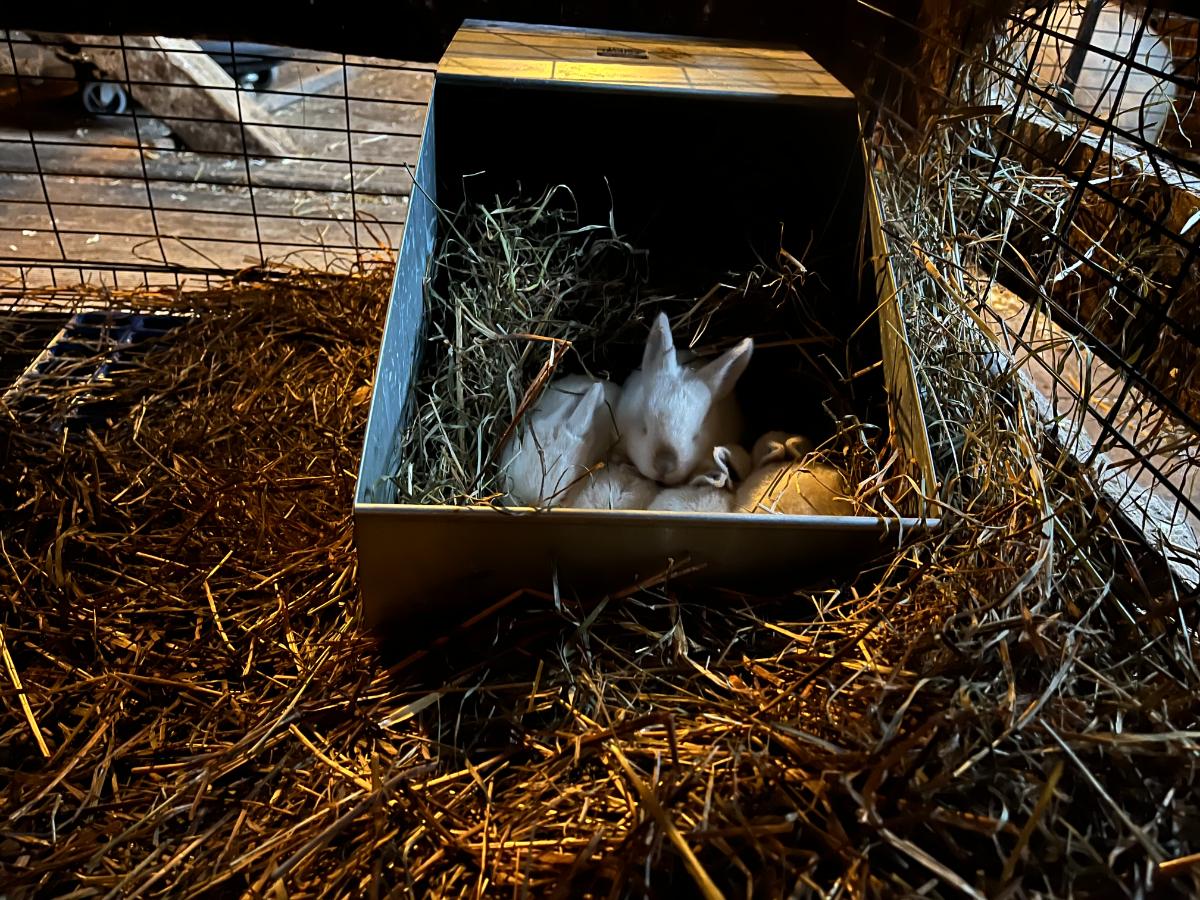
Think about when you plan to start breeding. If you want to breed right away, you’ll need mature breeders. But that may not be possible, as discussed above. If you are planning to begin breeding in the spring, but you can only buy two or three-month-old rabbits, you’ll need to get them three or four months ahead so that you can get them to breeding age (about six months) on time.
If you don’t care when you can start breeding, get the best stock you can when your housing is arranged and when the animals are available.
Your planned feed program.
For most breeders, the feed program won’t matter much. That is, if you are feeding a complete pellet and/or hay, you can buy that and feed it at any time of year.
But if you plan to use an alternative feeding program, such as a “Beyond the Pellet” home-grown type program, tractoring, or foraged feed, you’ll need to start at a time of year when that feeding is available. In other words, when forage and feed are growing.
And, you’ll need a plan for how you will feed, store, or replace that feed program in the winter.
Your location.
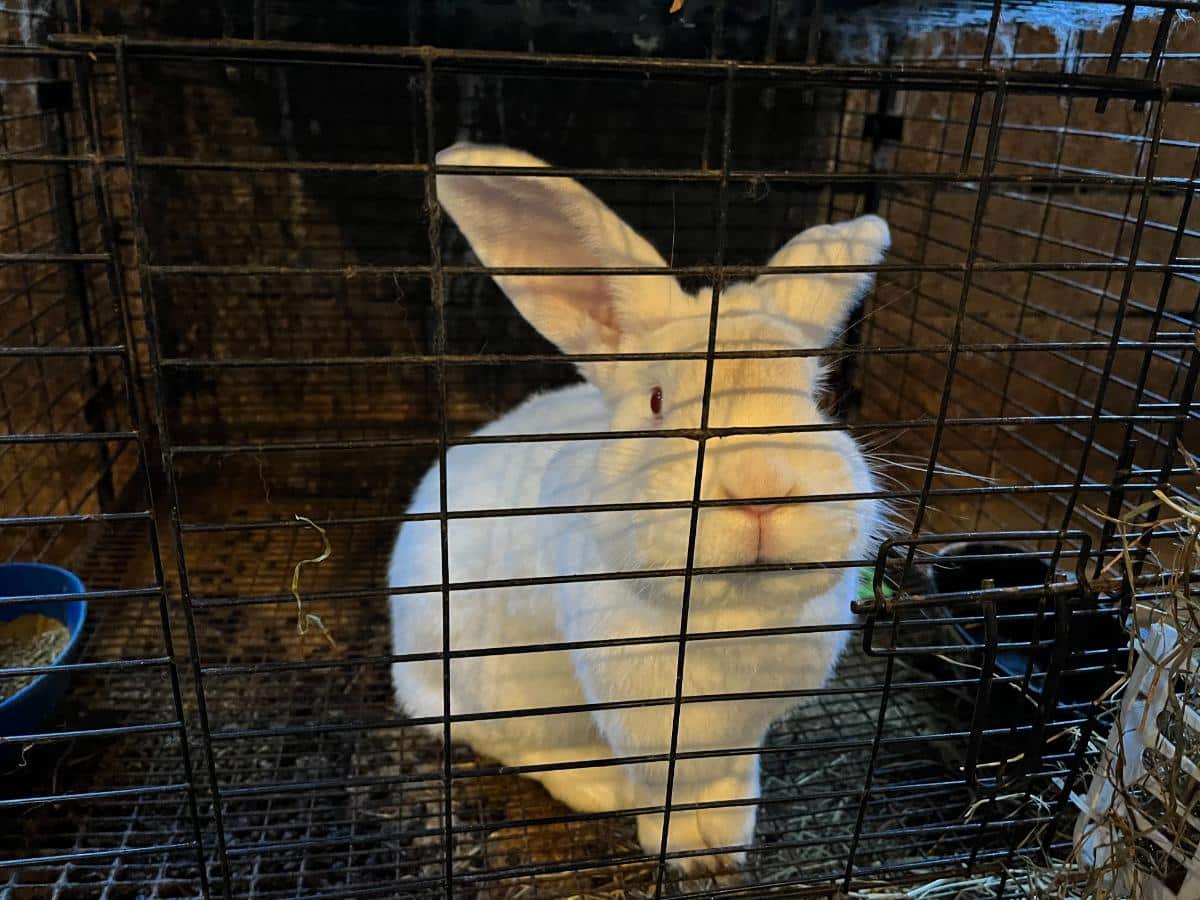
For the most part, the better times of year for starting a rabbitry are pretty consistent, even though climates and locations can vary a lot. But different climate locations have different challenges. So, for some locations, what is a great time in one place is the worst time in another.
The extremes of the north will be quite different from the extremes of the south. Sometimes, climates flip the clock on what time of year is most moderate. Whereas a cool northern climate might look to have a lot of litters born in the late spring and early summer, other breeders may be avoiding that time to avoid growing out in the worst of their heat.
A northern breeder might stop kindling in the one or two worst winter months to avoid potential issues, whereas that might be the very best time for a breeder in the deep south to be growing out their kits.
The point? Consider the most challenging times of year where you live. For some, that's a cold and severe weather season. For others, it’s the exact opposite.
Rabbit acclimatization.
If the rabbits you are buying are acclimated to climate control or indoor conditions, you may want to factor this into when you will start your meat rabbit rabbitry. Rabbits take colds very well. But if a rabbit has never lived outdoors, and if it doesn’t have the coat for current outside conditions, take this into account.
Likewise, if a rabbit has lived inside in a summer climate control, it may need some adjustment to withstand the hot weather outside.
Certainly, you do not have to keep your meat rabbits in the same exact conditions they were kept in where they came from. You do need to provide them with a rain-free, wind-free home (or an escape from those things), but any rabbit can live outside. It might need an adjustment and acclimatization period to withstand it, though.
Advantages (and Some Disadvantages) of Starting a Rabbitry in Different Seasons
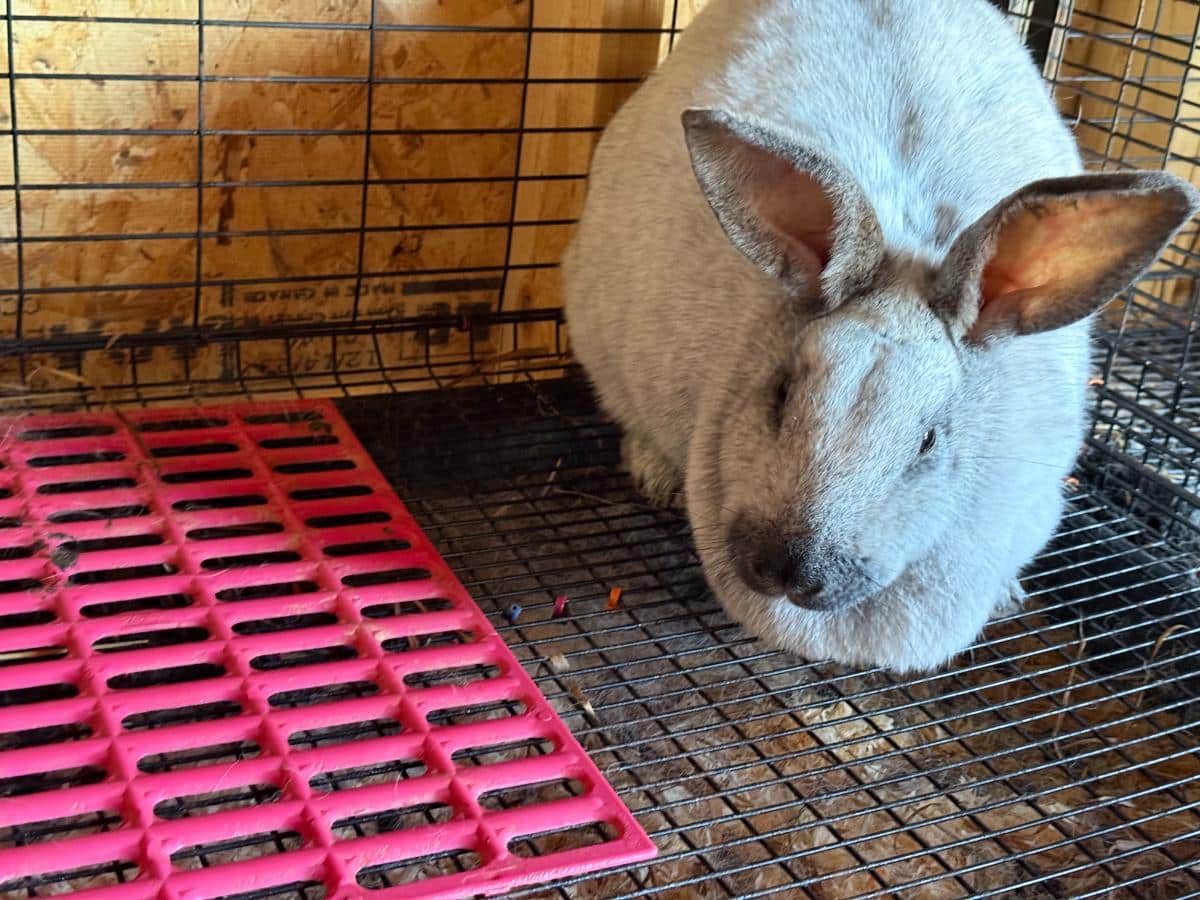
Winter
- Winter can be a challenging time to care for rabbits
- Winter will be the harshest and coldest conditions your rabbitry will face
- Though you will obviously need to deal with winter rabbit care during your career as a meat rabbit breeder, it may be that starting off in a less forgiving time of year will make the early days more enjoyable and more manageable for you as you gain experience with your new rabbits
Spring
- Generally, the most moderate time of year
- Longer days with more hours of daylight
- Moderated temperatures and weather conditions allow for the least challenges
- A few of the breeding and growing challenges that summer heat may bring
- Breeding and kindling can occur before bucks are challenged with heat sterility
- This is a natural time of year for rabbits to breed, so generally does are more willing and breeding goes more easily.
Summer
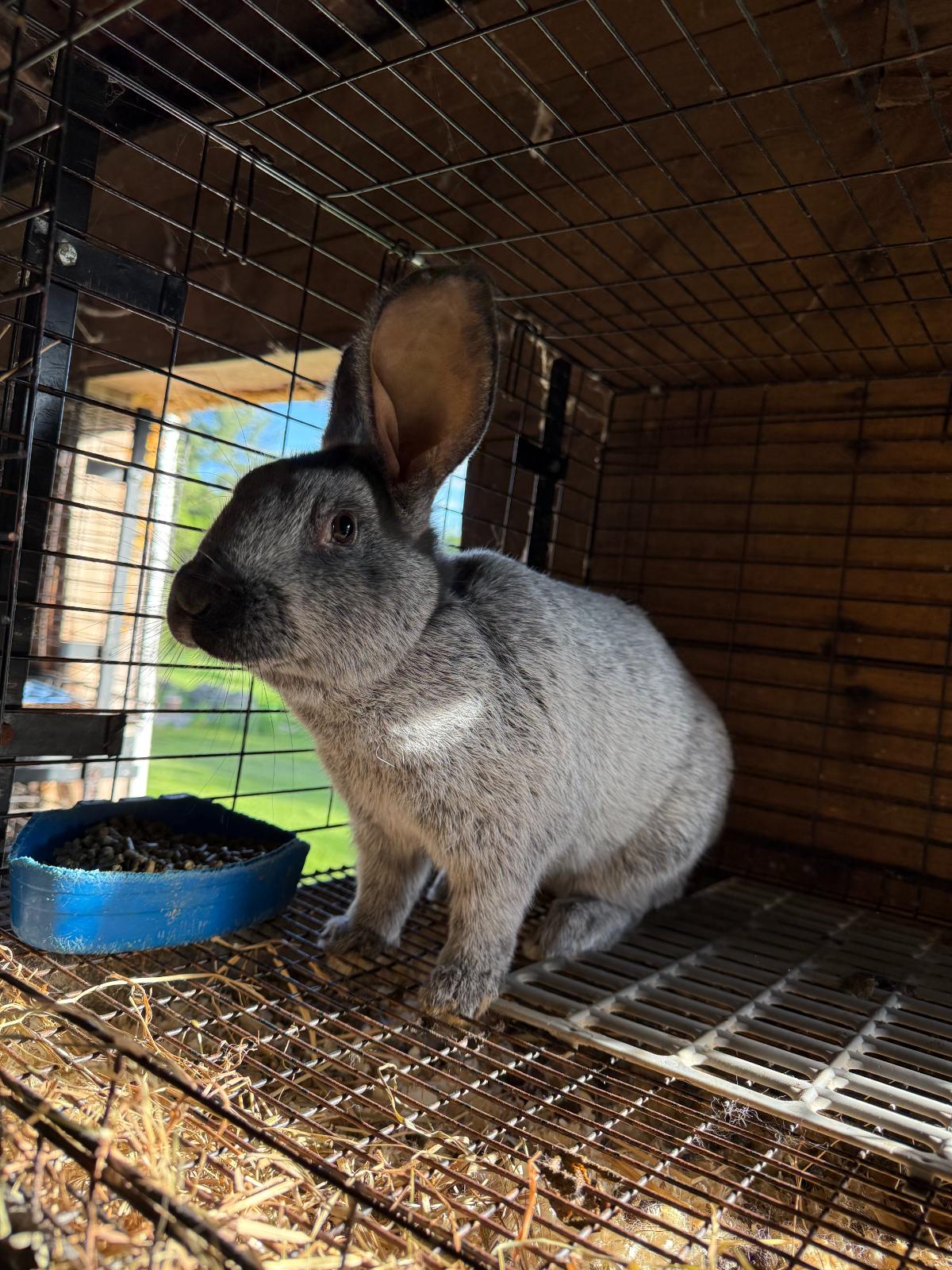
- Longer days with more light hours promote breeding
- Summer and its heat present the most challenge for meat rabbits
- Rabbits do best in moderate temperatures in the 60 to 70 degree range, and they do well in temperatures of 40 to 50 degrees.
- Heat is more of a challenge and a stress for meat rabbits (for all rabbits) than cool and cold weather
- Rabbits may need additional measures for cooling in hot summer heat, such as fans, cooling bottles, or mats
- High heat can cause bucks to become sterile, so breeding can be more problematic in the summer
- Generally speaking, does do fine breeding and kindling in the summer, but heat can sometimes cause issues and heat stress
- In most locations, the risk is minimal, but if you live in a hot climate, take this into consideration
- A lot of people breeding in hot locations skip breeding in the summer for this reason
- As with winter, learning to manage rabbits in the summer will be necessary at some point, but you may find it easier to adjust after having some experience in easier months under your belt
Fall
- Moderate and cooling temperatures mean rabbits are less heat-stressed
- Generally, care and maintenance of rabbits is easier in the fall because temperatures and weather tend to be steadier and more comfortable
- Building projects may be more comfortable for you in the fall, too
- Bucks may be heat sterile if they were of mature, potent age throughout the summer, so fall breedings could potentially be low numbers or failure to conceive (heat sterility is a temporary issue that will be overcome, but it will impact your breeding schedule and may skew plans when starting a new rabbitry)
- Lowering daylight and shorter day length can make breeding difficult
- Does may be less willing and less likely to lift on low-light days
- Early fall, assuming no buck heat sterility, is generally more successful than breeding in the later fall days
- Light in the rabbit barn can help overcome breeding challenges
- Fall breeding is not impossible, but it is often easier for more experienced breeders than it is for a new breeder with little to no experience
- For this reason, starting a rabbitry in the fall can be frustrating
- However, if you are starting with young stock that needs to be grown to maturity before they can breed (i.e., if you have several months before your new rabbits will reach breeding age), the fall can be a good time to start your rabbitry, with a target date for first breeding in the months to come
The Best Overall Time of Year to Start Your Rabbitry (If We’re Forced to Choose A Time)
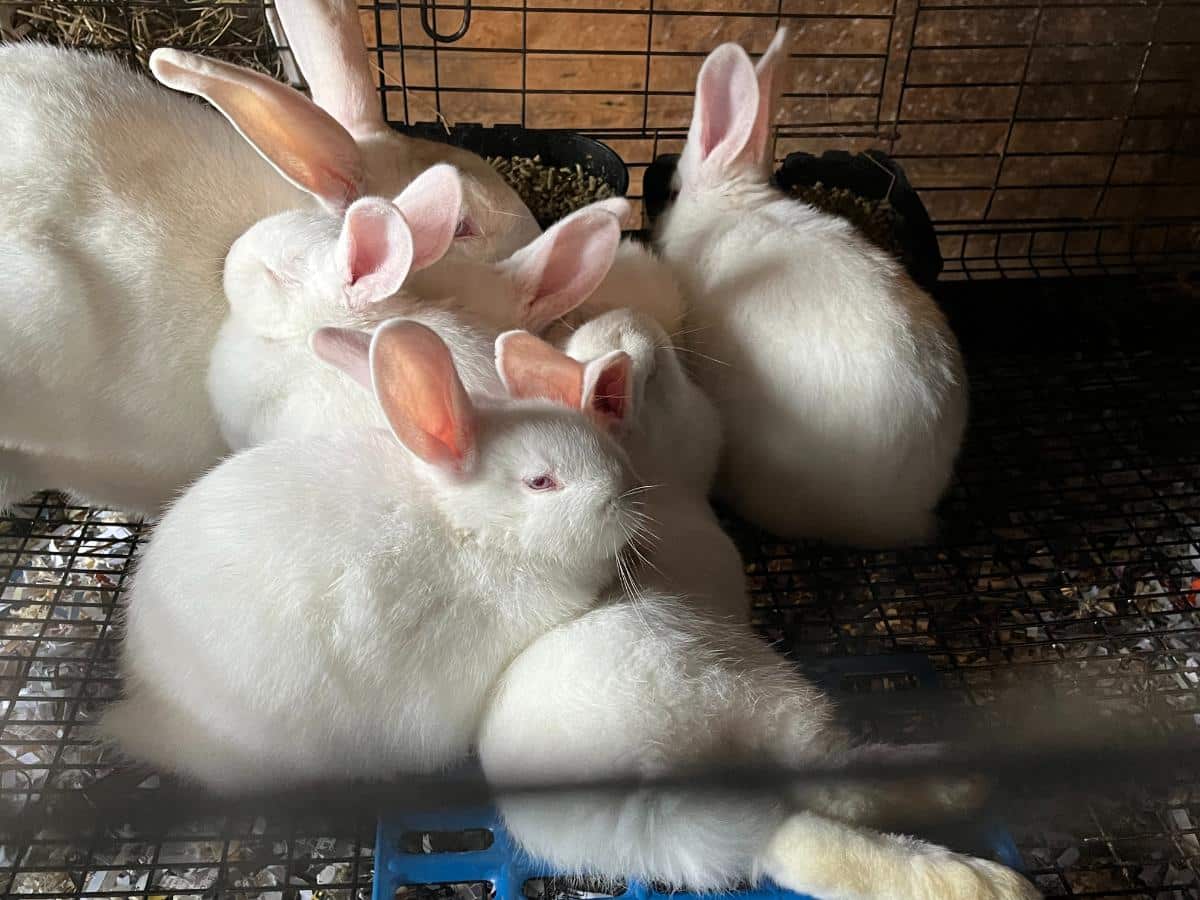
If there is to be one best time of year to start a rabbitry, it would be spring. Keep in mind, though, that spring is also the best time of year for breeding. So if you have to start with youngsters and breed them up to breeding age, you may consider starting earlier -- a late summer or fall start will give you time to raise kits to breeding age so that you can start breeding in the spring.
Here, again, your location and climate come into play. If your winter weather is more similar to most people’s spring, that would warrant pushing your start earlier in the year.
With all of this said, as long as you are able to provide and provide well for your rabbits, and you meet their needs for reasonable comfort, safety, and survival, there is no time of year in which you could not begin your meat rabbit journey.
Leave a Reply