
If you have rabbits, you have manure (poop!). And if you have rabbit manure, you have what is argued to be the best natural fertilizer, especially from domesticated livestock.
Rabbit manure is packed with all the most essential nutrients that plants need. And it has it in spades -- higher in nitrogen than even chicken manure and beats out cattle and other livestock manures, in pretty much every nutrient category too!
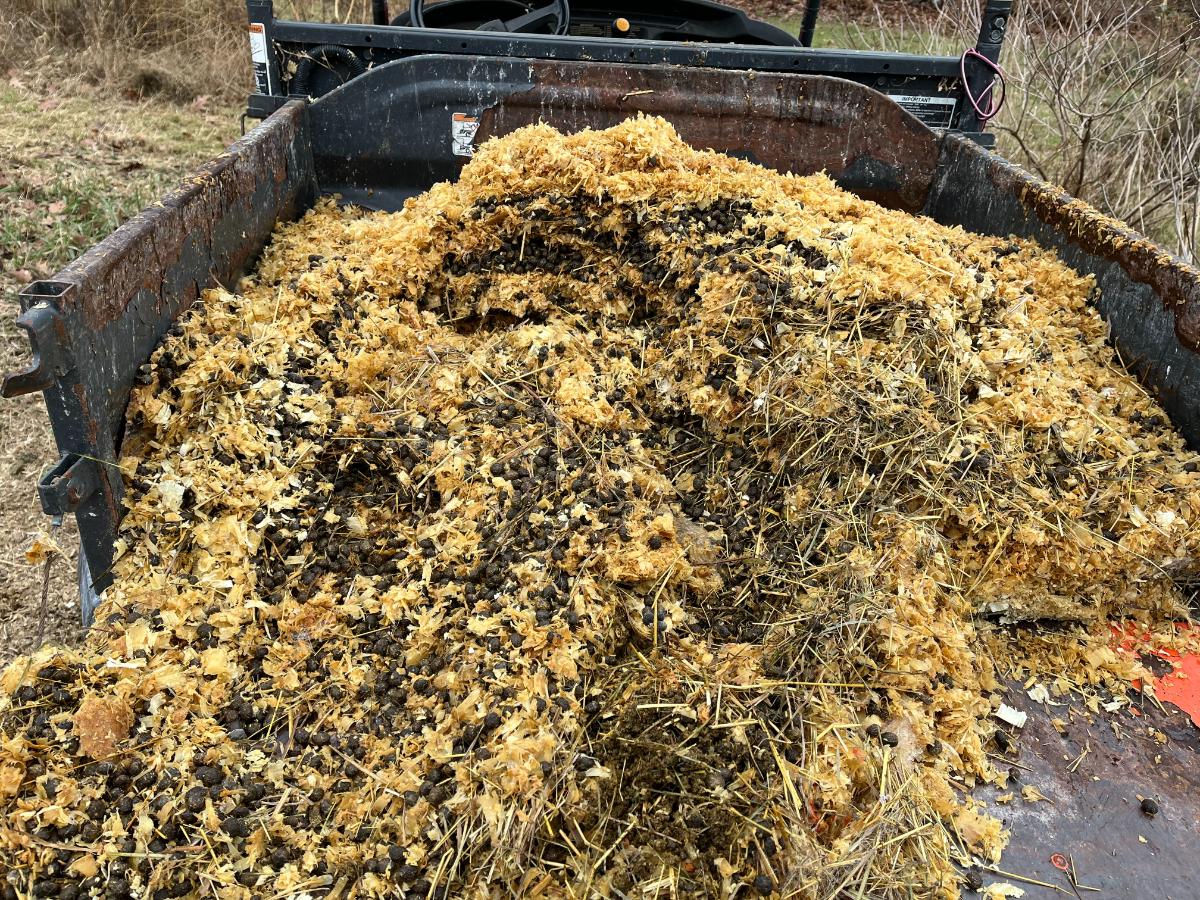
What’s even better about rabbit manure is that it holds these nutrients and high nitrogen values in cold manure. That means the manure can be applied directly onto plants and in the soil, and it won’t burn your plants.
Compare that to chicken manure, which needs months of composting to bring it down to a level of safety for plant application (often touted as one of the best fertilizers for the garden, which it is, almost).
There are a few ways to use rabbit manure as fertilizer. Direct application, tilling into the soil, and the compost bin are great ways to use rabbit manure.
But the fastest way to see results, and an easy way to use rabbit manure in the garden, is to apply it as a liquid fertilizer. In other words,
Rabbit Manure tea!
The tea is easy to make and easy to apply. And once you start, you’re sure to use it all over your yard and gardens -- fruit, vegetable, or ornamental.
Jump to:
- Make the Rabbit Compost Tea Concentrate
- Diluting and Applying Rabbit Manure Tea to Plants and Gardens
- Can You Make Rabbit Compost Tea Out of Mixed Rabbit Waste?
- Rabbit Tea is a Fast-Acting Fertilizer
- Benefits of Rabbit Manure Tea versus Manure Application
- VIDEO: Using Rabbit Waste in the Garden Without Burning Plants
- Rabbit Manure or Tea: What’s Better? Or Both?
- References, Resources, and Further Reading:
Make the Rabbit Compost Tea Concentrate
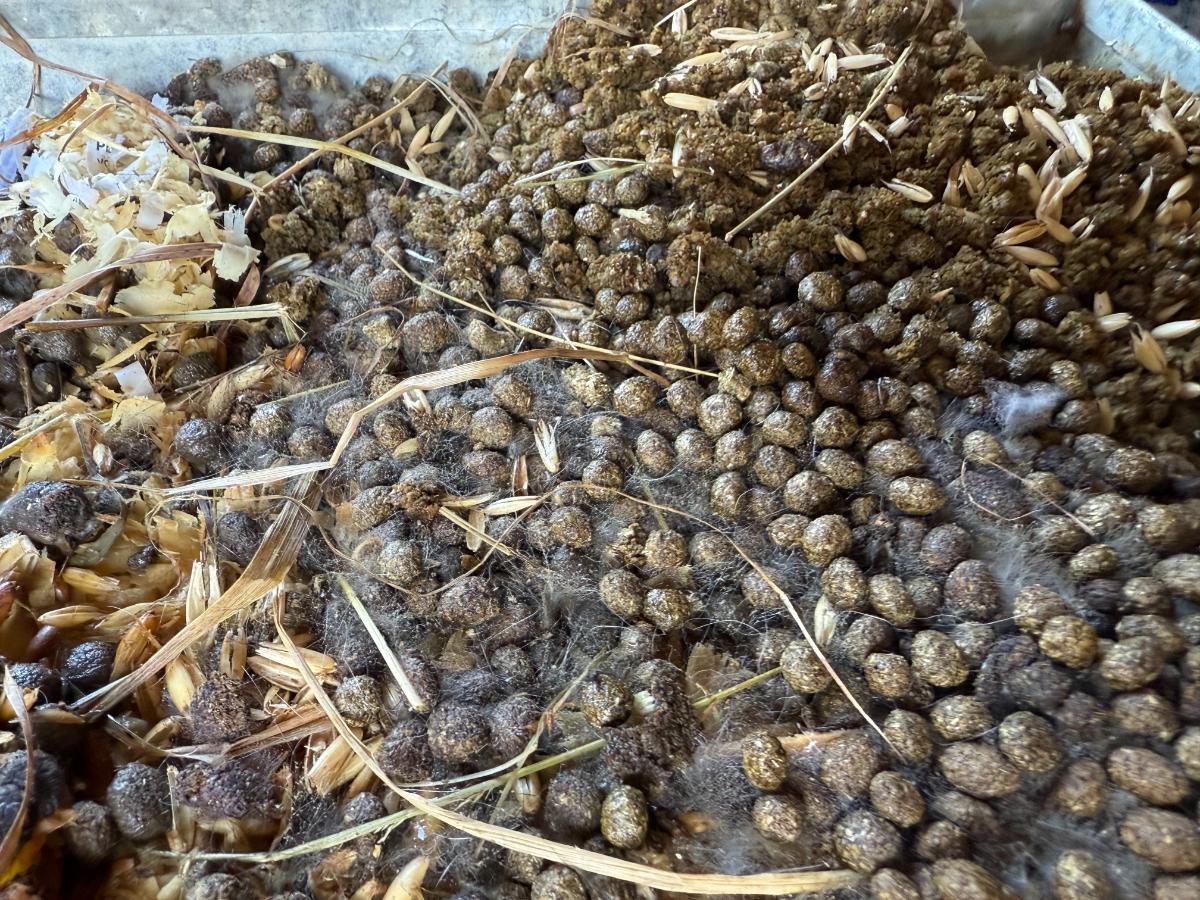
Compost tea is basically steeping manure in water. This creates a concentrated, nutrient-dense tea that is typically diluted before it is applied to plants.
To make the concentrate:
There are different ratios for rabbit manure tea, but a ratio in the range of 1:4 or 1:5 works well; most recipes fall in this range. In a five-gallon bucket, one to four works well just because it’s easy.
It’s not such an exact science that it matters that much. At a one-to-four ratio, it will just be stronger, but not so strong that it will burn plants. (Rabbit manure is a cold fertilizer anyway, so even when used as manure, it can be applied directly to plants, even without composting.)
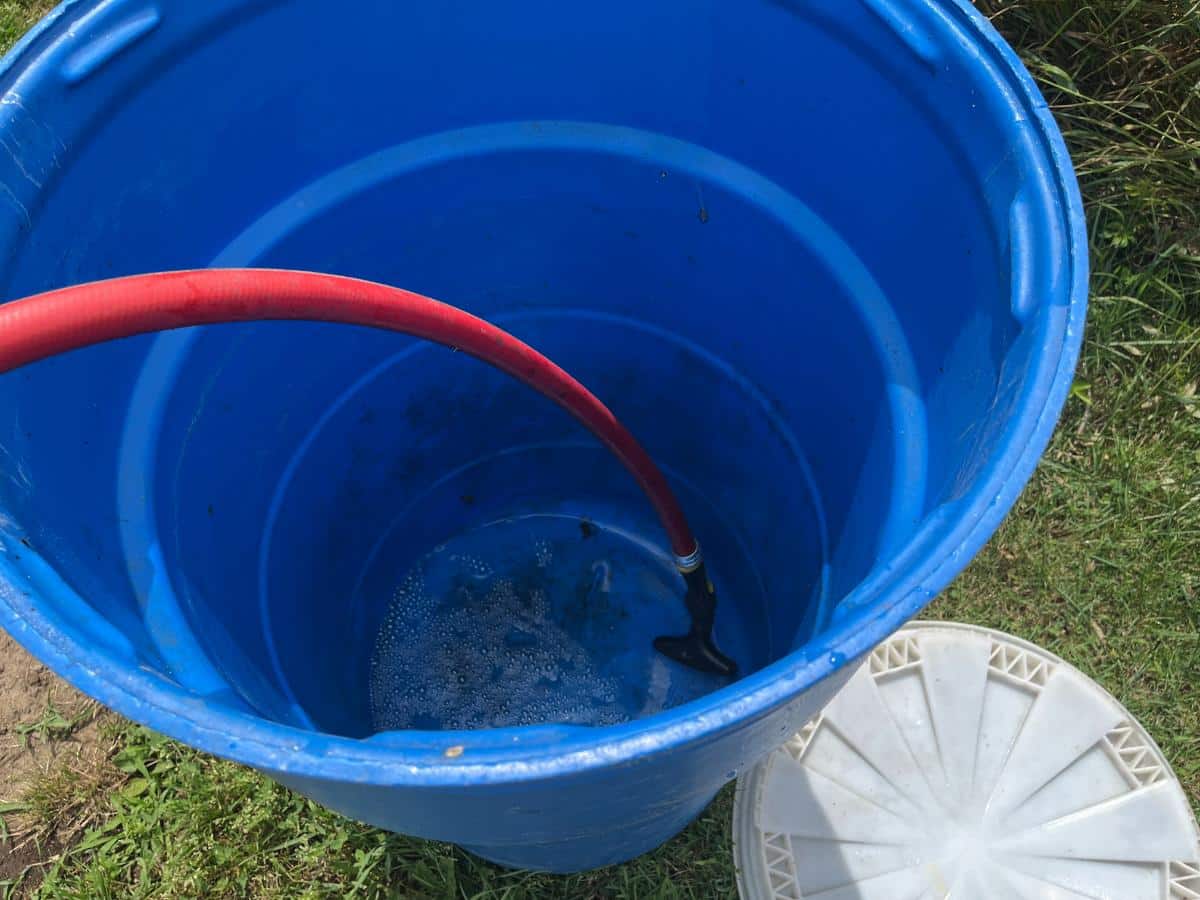
In a five-gallon bucket, combine
- 1 part rabbit manure (about 1 gallon’s worth, or a fifth of the bucket full)
- 4 parts water (about 4 gallons)
- Use a stick or shovel to stir the mixture in the bucket.
- Let the bucket sit for a week.
- You do not have to stir the bucket daily, but doing so will get more out of the manure and will speed up decomposition.
- After a week, the rabbit compost tea is ready to use.
Strain the rabbit compost tea
You will want to strain the rabbit manure tea so that you only have liquid. You can use it by dipping off the top of the bucket once the solids have settled down to the bottom, but it’s best to strain the solids out of the liquid fertilizer.
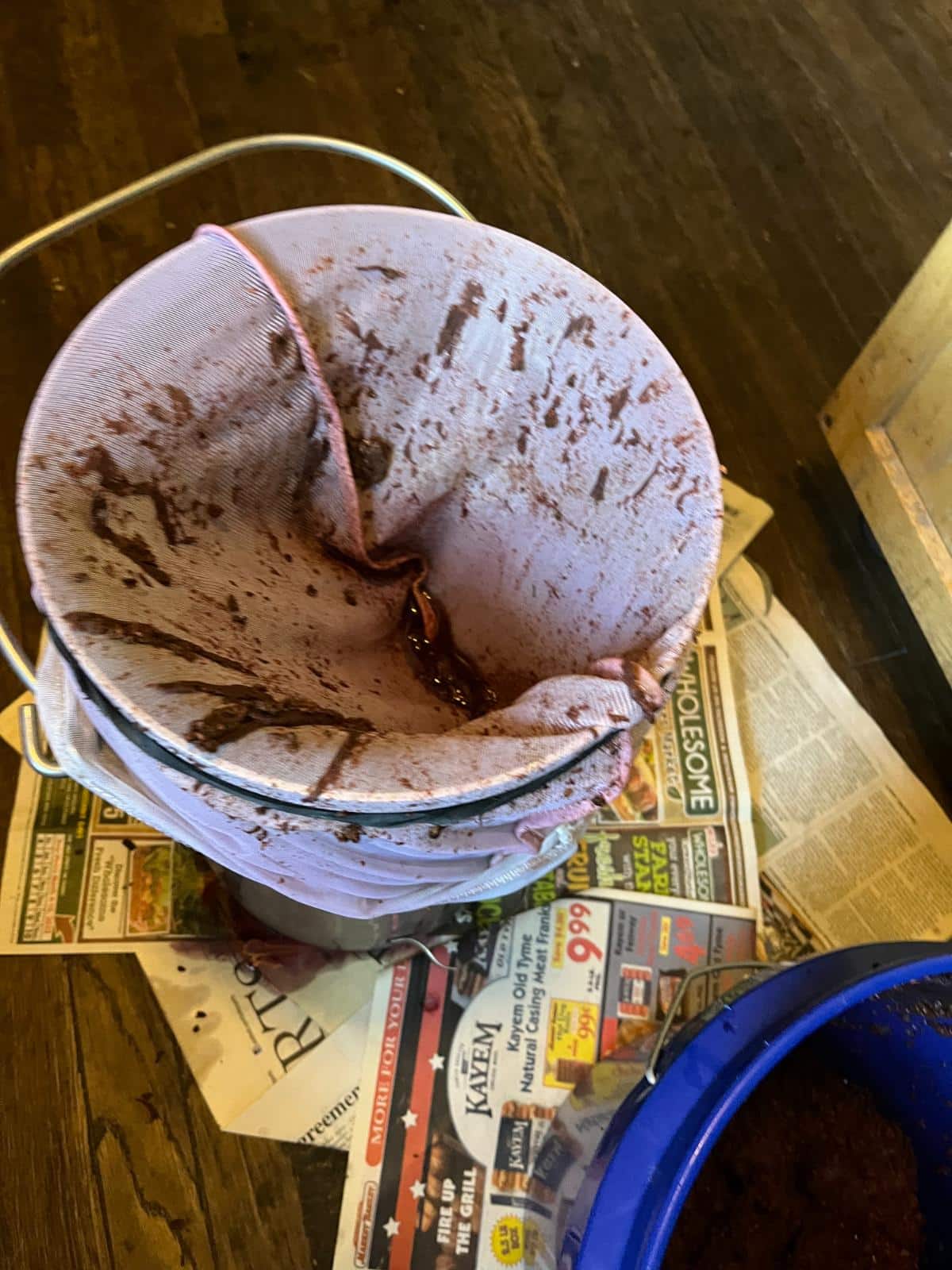
- Place a section of burlap, cheesecloth, cotton, or other loosely woven fabric over the top of the bucket.
- It’s best to tie around the overlap or use a large, strong elastic band or bungee cord to hold the burlap in place. Make sure there is a dip in the middle, so there is a “bowl” shape to catch the manure and solids. A flat piece of cloth will run the tea off and out of the bucket, and you’re likely to splash yourself in the process -- not a nice smell to be wearing!
- You can also do this with a large fine mesh strainer if you are willing to devote it to gardening uses.
- Remove the cloth and wash or dispose of it. Burlap is compostable and can go straight in your compost pile.
- Put a cover over the compost tea so it does not become diluted with rainwater. (This does not need to be airtight, just enough to keep rainwater out).
Strainer-free options
Some people use a burlap bag as a sort of tea bag instead of straining the solids out.
To do this, put the manure in the bag, tie it off, and place it in the bucket before adding the water. Leave the string hanging over the side of the bucket so you don’t have to fish it out later!
Some good options for compost tea bags include:
- Burlap bags (sometimes feed, bulbs, seeds, etc., will come in these, or you can sew your own)
- Old pillowcases (preferably cotton)
- Tied up or sewn old T-shirts
- Mesh bags from seeds, etc
- Muslin or cloth seed bags
What to do with strained solids and straining cloths or “tea” bags
Though much of the nutrients in the rabbit manure will have been leeched out, there will still be value left behind.
The solids themselves will retain some nutrients, but they are also a source of organic matter for your garden or compost pile. They can go directly to either place.
If the material you use as a strainer or tea bag is a 100% natural material, you can compost the bag of solids, cloth, and all. Burlap, muslin, jute, and cotton are all recyclable, compostable products that can feed your compost pile. That’s an easy and less messy way to make your tea and dispose of the leftover solids.
Diluting and Applying Rabbit Manure Tea to Plants and Gardens
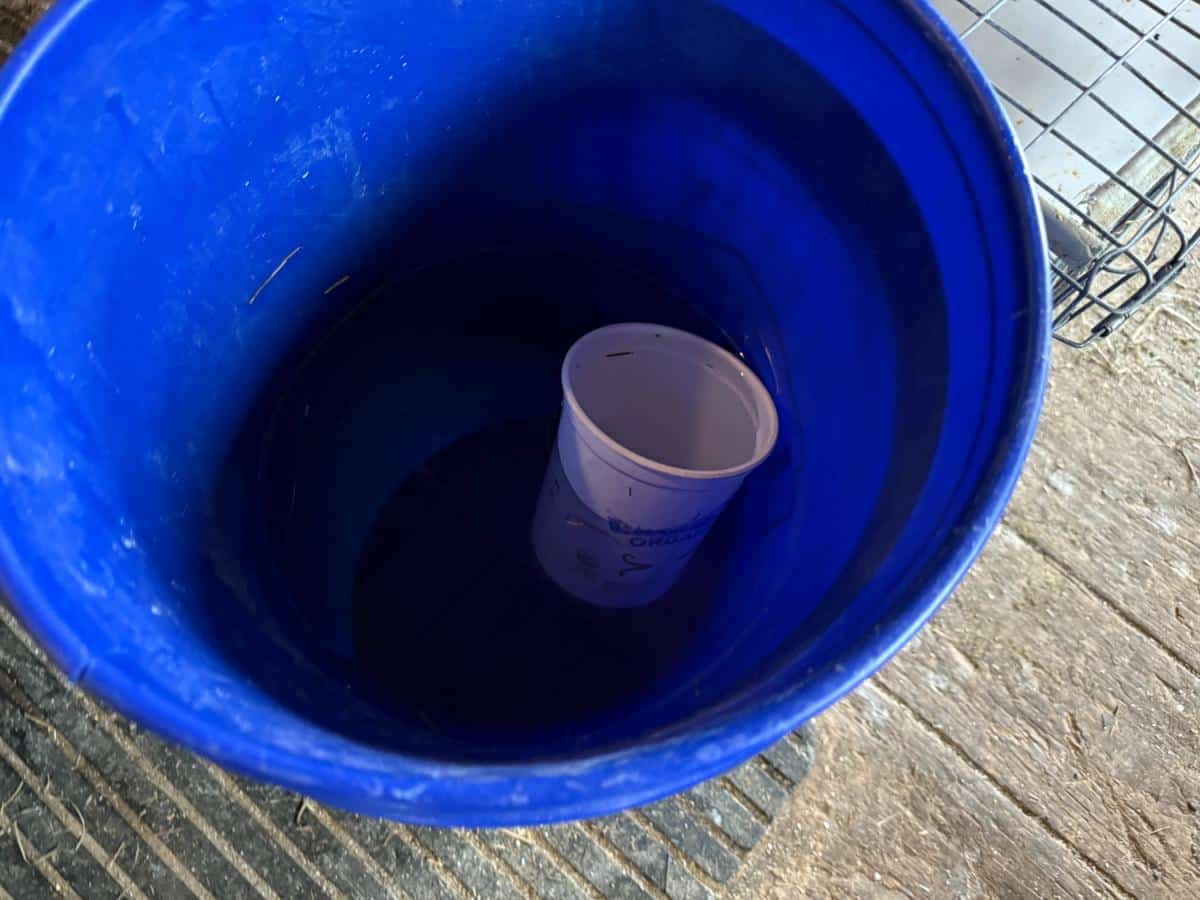
As mentioned, the tea that you make is a concentrate. It is generally advisable to dilute the tea concentrate before applying it to your plants. This will prevent overfertilization and add more water to saturate the soil and deliver it to your plants.
- Dilute one (1) cup of water in one (1) gallon of water
- For a stronger solution, dilute two (2) cups of tea concentrate in one (1) gallon of water
- You can scale this up by simply multiplying up and keeping the ratio of one cup per gallon, or 1:15 (there are 16 cups in a gallon), or 2:15 [tea concentrate: water]
Applying rabbit manure tea to plants and gardens
There are a few ways to use diluted rabbit manure tea.
- Use to water plants in the garden or potted container plants
- Apply with a watering can or through a gravity-fed irrigation system
- Use in drip irrigation systems
- Use as a foliar spray, spraying the plant (for this, you may want to start with the lighter dilution rate of 1:15)
- Can be applied with a spray bottle, a garden sprayer, or a backpack sprayer, either on the plant or to the roots
Can You Make Rabbit Compost Tea Out of Mixed Rabbit Waste?
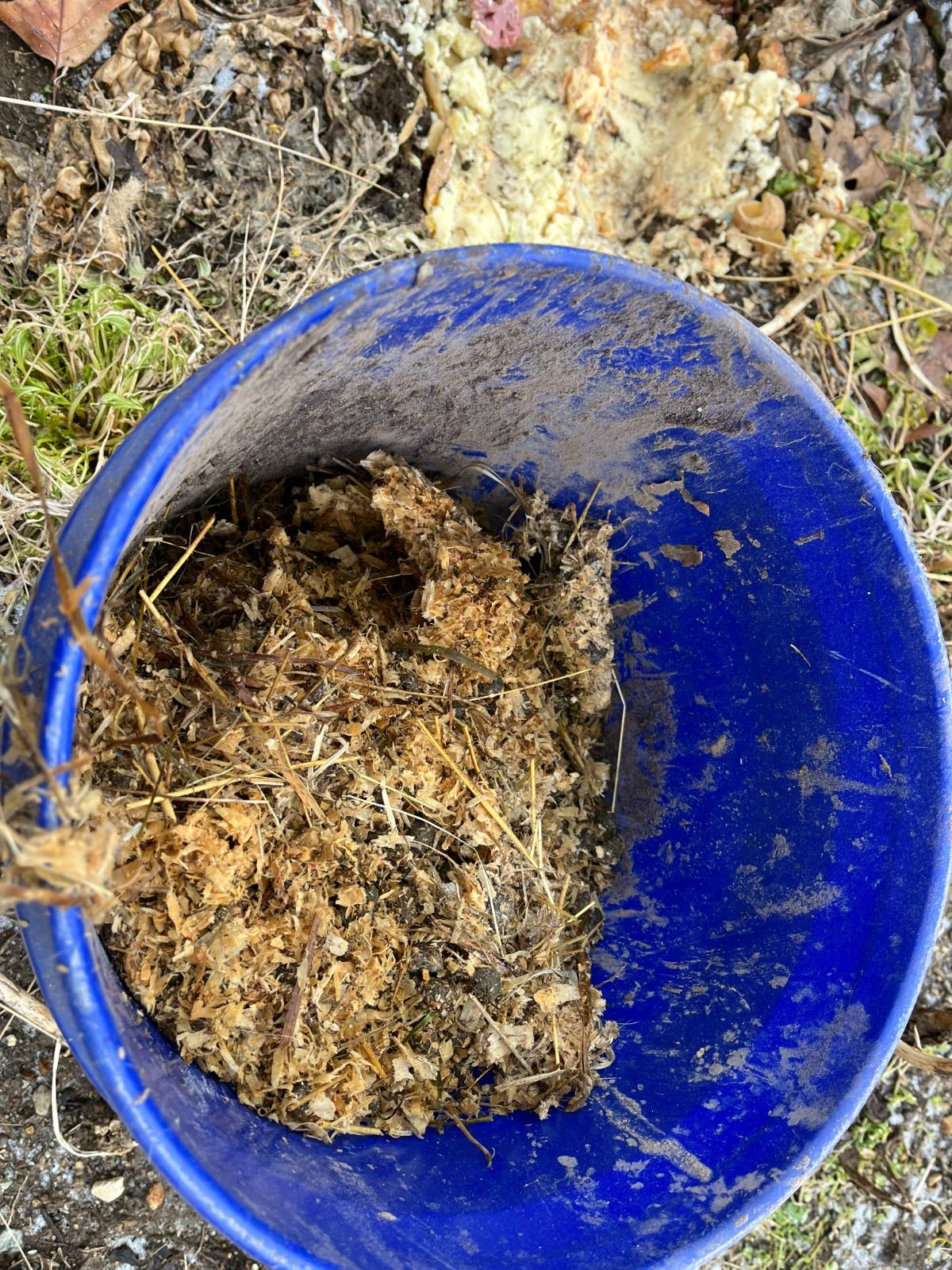
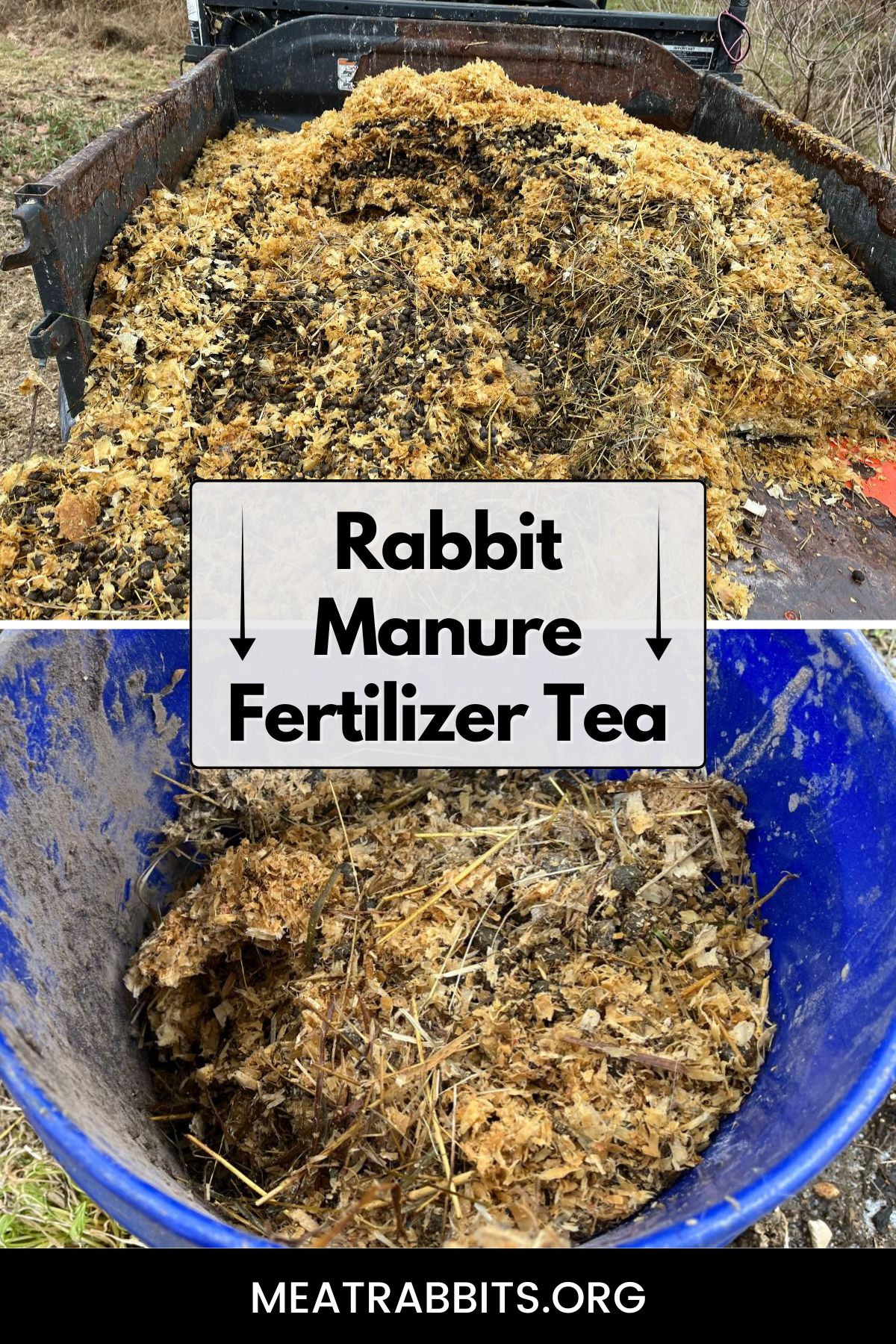
Yes. Mixed waste, such as a mix of shavings, manure, and urine in dropping pans or cleaned out bedding from pens or hutches, can be used to make manure tea. The captured urine will be an additional nitrogen source, along with other vital nutrients, including calcium.
You do not have to worry about whether there is viable seed (like seed from grass or hay) in the fertilizer, since solids will be strained out, leaving those seeds behind in the compost heap. A hot compost heap will kill seeds and render them inert (unable to sprout and grow).
Rabbit Tea is a Fast-Acting Fertilizer
When applied as a tea, rabbit fertilizer is a short-lived and fast-acting fertilizer. Keep this in mind according to your plant or garden’s needs.
This is a great advantage if your plants need a quick shot or fast rescue, because the delivery is almost immediate. This is true as either a soil fertilizer, a liquid fertilizer, or a foliar spray.
If you need something longer-term or slower release, the rabbit manure pellets themselves are ideal. Simply top or side dress with them or lightly dig into the soil.
You can use both the tea and the pellets together.
Benefits of Rabbit Manure Tea versus Manure Application
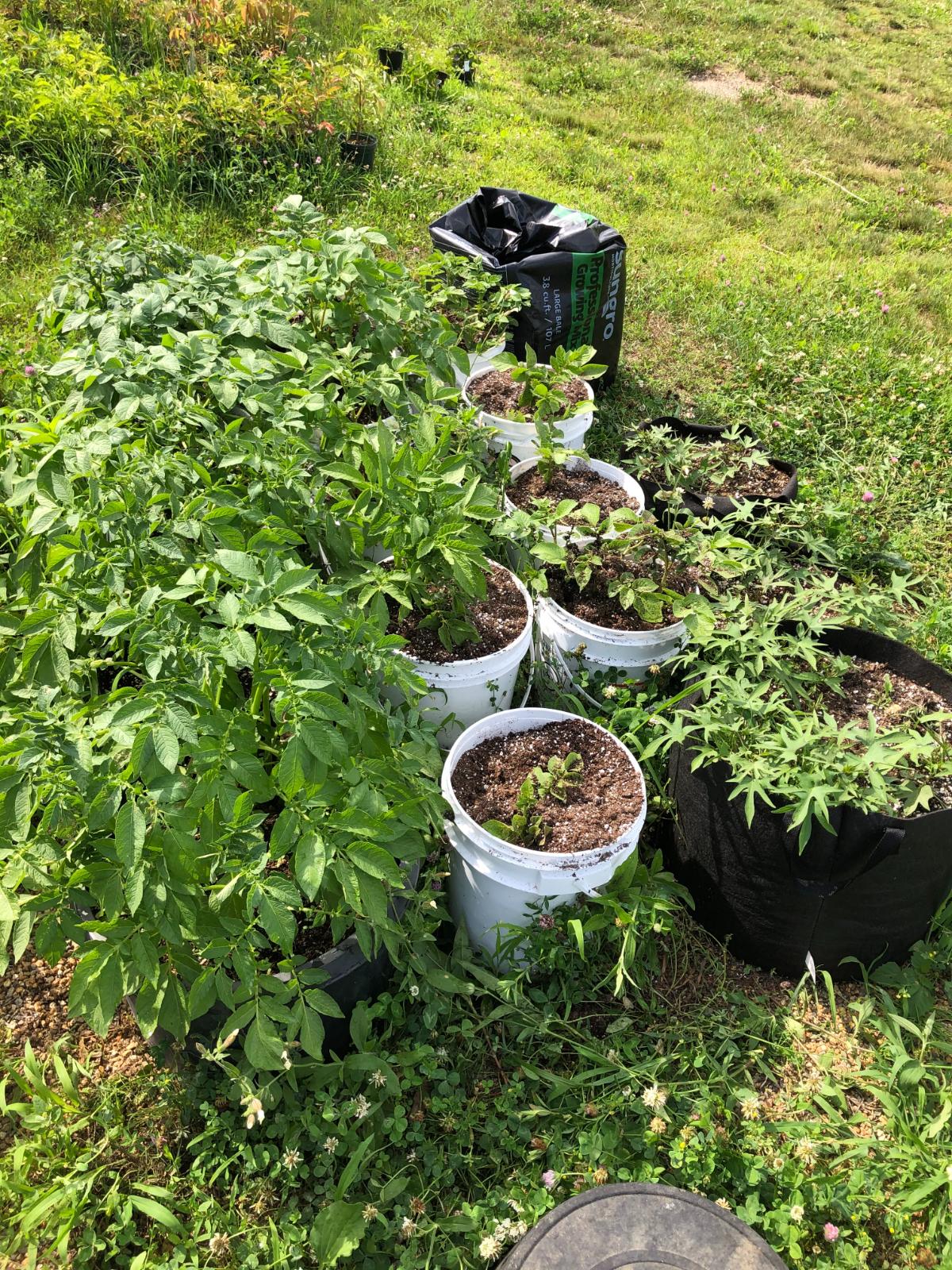
Both applications lend great benefits; the advantages of rabbit manure tea over solid pellet waste include:
- Direct application to the exact area or plant that needs fertilizing
- Targeting roots
- Foliar spray option
- Fast acting
- Liquid fertilizer for soil and roots
- No seed exposure (like grass seed from hay or other weeds from forages)
- Higher in nitrogen than other types of compost teas
- Can be applied at exactly the right time when needed
- Do not need to wait long for the tea to act
- Can be used in liquid fertilizer, drip, or irrigation systems
VIDEO: Using Rabbit Waste in the Garden Without Burning Plants
Rabbit Manure or Tea: What’s Better? Or Both?
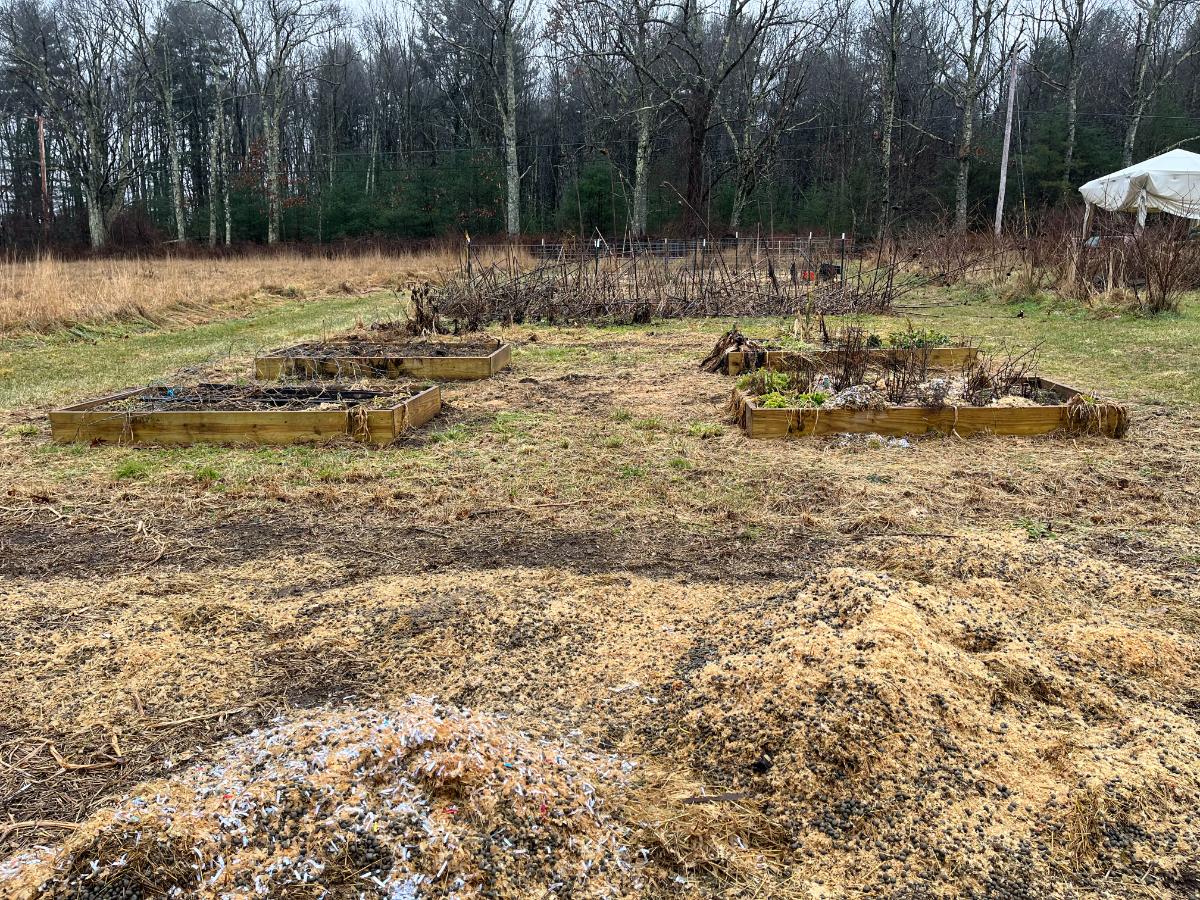
Both. Manure builds soil and organic structure. Using the two together will give you both fast-acting and longer-term, slow-release fertilization. Pellets also help to build up organic matter in the soil, whereas rabbit manure tea will only inject the nutrients and does not provide humus or bulk.
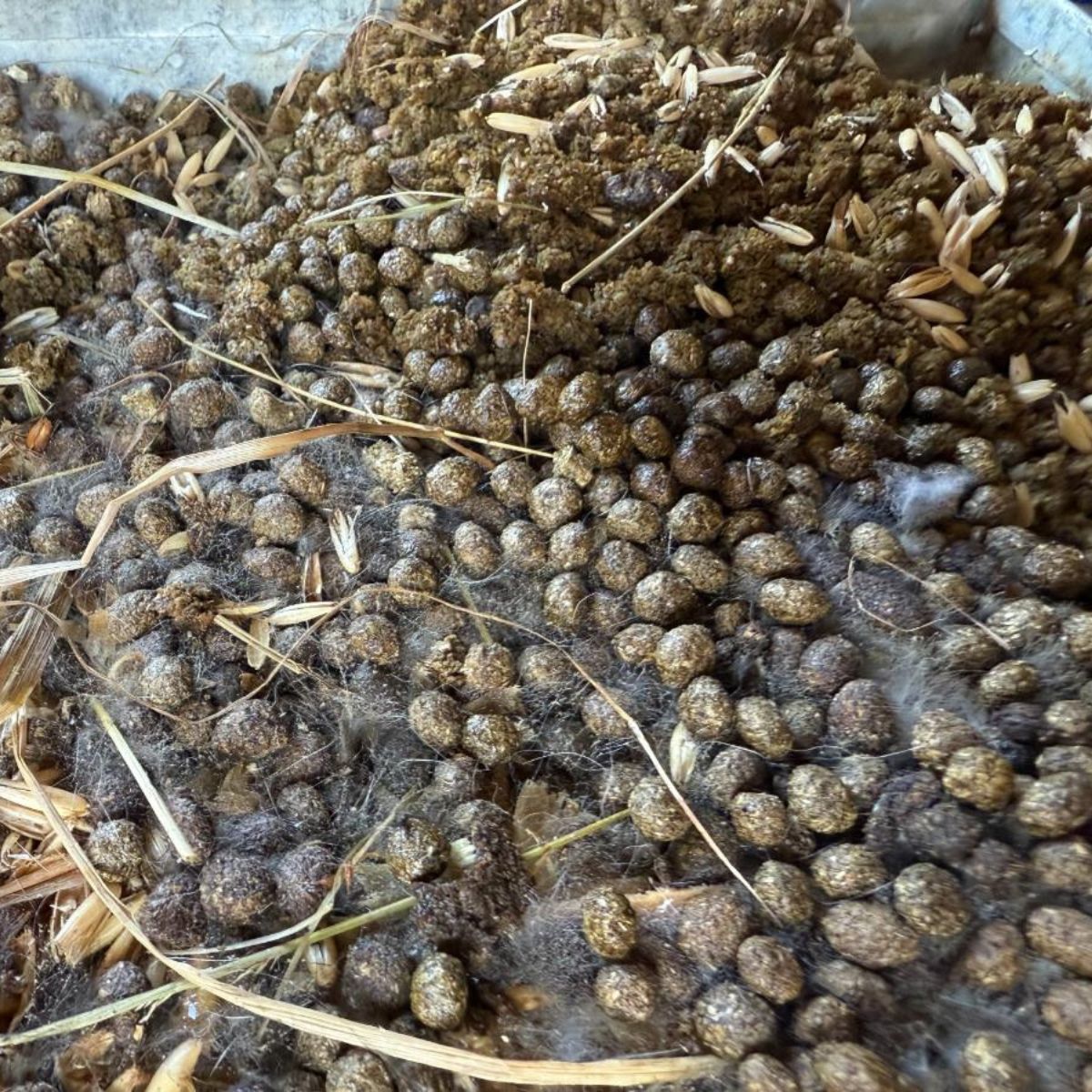
Rabbit manure is a slow-release fertilizer, conveniently and naturally pelletized for easy application. Rabbit manure pellets also attract earthworms, which are highly beneficial to your plants, the soil, and the garden overall. Earthworms boost soil fertility with their castings as they aerate the soil, supplying oxygen and moisture pathways to roots.
While rabbit manure tea is an excellent fertilizer, it shines the most as a fast-acting boost for plants. But it is also a little bit of a flash in the pan. The growth and nutrition plants gain from the manure tea is certainly worthwhile, and that foundation will continue to support the plant and its growth.
Your plants will also benefit from balance -- fast acting infusions of fertilization from tea when your plants need them the most, or when liquid fertilizer is the most appropriate for the plant’s growth stage (especially for young and developing plants or potted plants which may struggle to hold fertilizer in the soil long term), and a reliable source of fuel in the soil the plant can tap into as it grows along.
So, the decision does not need to be an either/or proposition. Both rabbit manure tea and rabbit manure in its natural form (or composted and applied form) are highly beneficial to your garden. They each serve a different but related purpose in fertilizing. Fortunately, if you raise rabbits, you won’t need to choose anyway. There is always enough rabbit poop to go around!
References, Resources, and Further Reading:
- Mother Earth News. Fertilizer Teas: How to Make and Use Them in Your Garden. Practical guide to brewing and applying organic fertilizer teas for healthy plant growth.
- Rabbit Ridge Farm. How to Make and Use Manure Tea. Step‑by‑step guide to brewing and applying manure tea for nutrient‑rich garden soil
- Clear Ranch. Clear Ranch – Organic Fertilizers & Soil Amendments.
- Rise and Shine Rabbitry. Manure Tea (Tag Archive). Collection of blog posts and guides on making and using rabbit manure tea for gardening.
- Fine Gardening. Rabbit Manure in the Garden. Practical article on the benefits, uses, and application methods for rabbit manure in home gardens.
- HeartySol. How to Make Composted Rabbit Tea. Step‑by‑step guide on brewing composted rabbit manure tea for nutrient‑rich garden applications.
- Figaro’s Garden. Reusing Burlap in the Garden. Guide to repurposing burlap for weed control, plant protection, and mulching in the garden.
- St. Boniface Bag. How to Use Burlap in Your Garden: Eco‑Friendly Tips for Tree Wrapping and Soil Protection. Practical guide on sustainable burlap use for plant and soil care.
- CottonWorks. Cotton Compostability and Sustainability. Overview of how cotton materials break down in compost and their environmental impacts.
- Muslin Factory. 5 Reasons Why Muslin Is the Perfect Fabric for Eco‑Conscious Shoppers. Article exploring sustainable benefits and uses of muslin fabric.
Leave a Reply