
If you have meat rabbits, you’ll have waste. Not just manure, either. There are a variety of waste products that can come out of a meat rabbit barn.
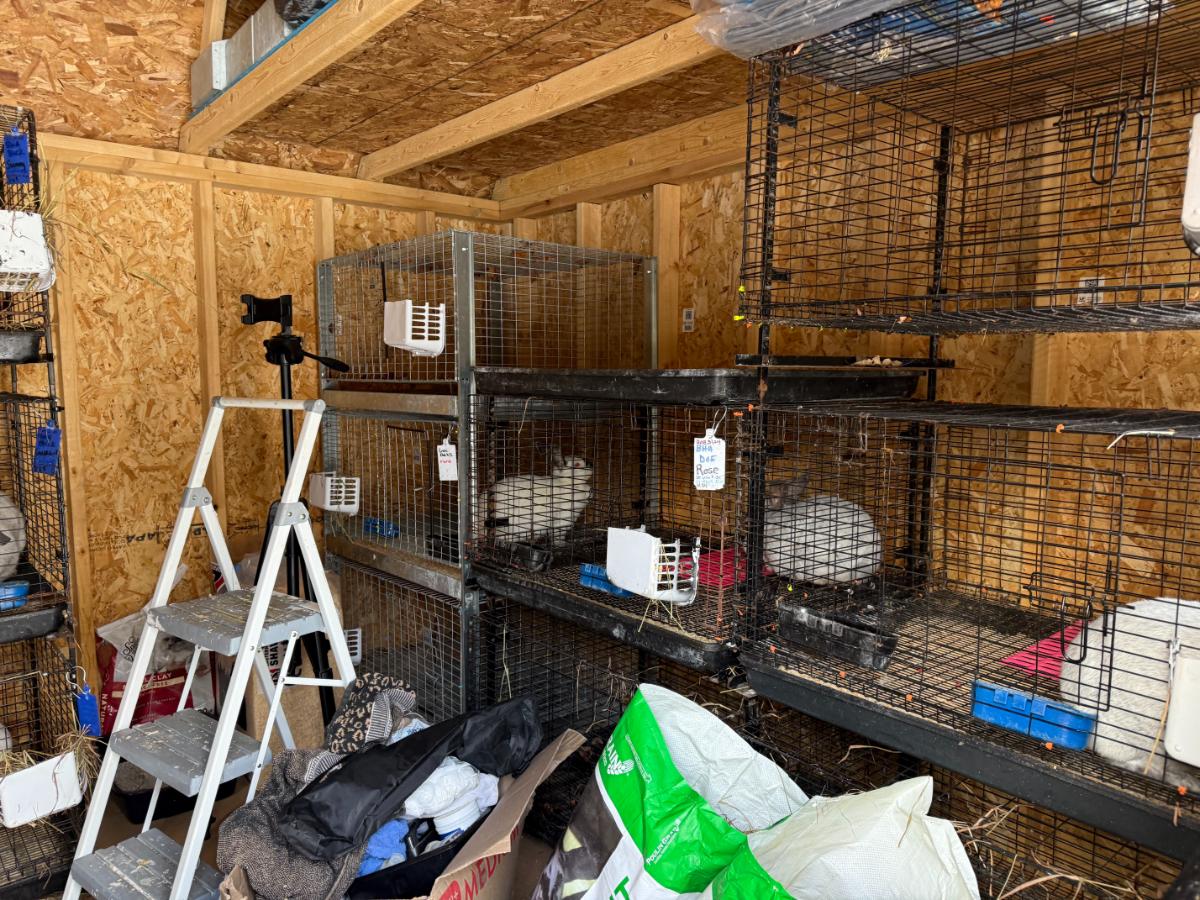
The good news is, there are a lot of good ways to put that waste to work.
Here are some things you can do with some of the top types of rabbit refuse you and your rabbits will create.
Jump to:
- Rabbit Manure
- Rabbit Urine
- Mixed Rabbit Waste and Bedding
- VIDEO: Cleaning Day in the Meat Rabbit Barn
- Nest Box Materials
- Used Straw
- Barn Sweepings
- Hay Waste and Storage Sweepings
- Waste Little, Want for Little, Gain a Lot!
- VIDEO: Reader Questions Answered: How I Use Rabbit Waste in the Garden
- Resources and More Reading:
Rabbit Manure
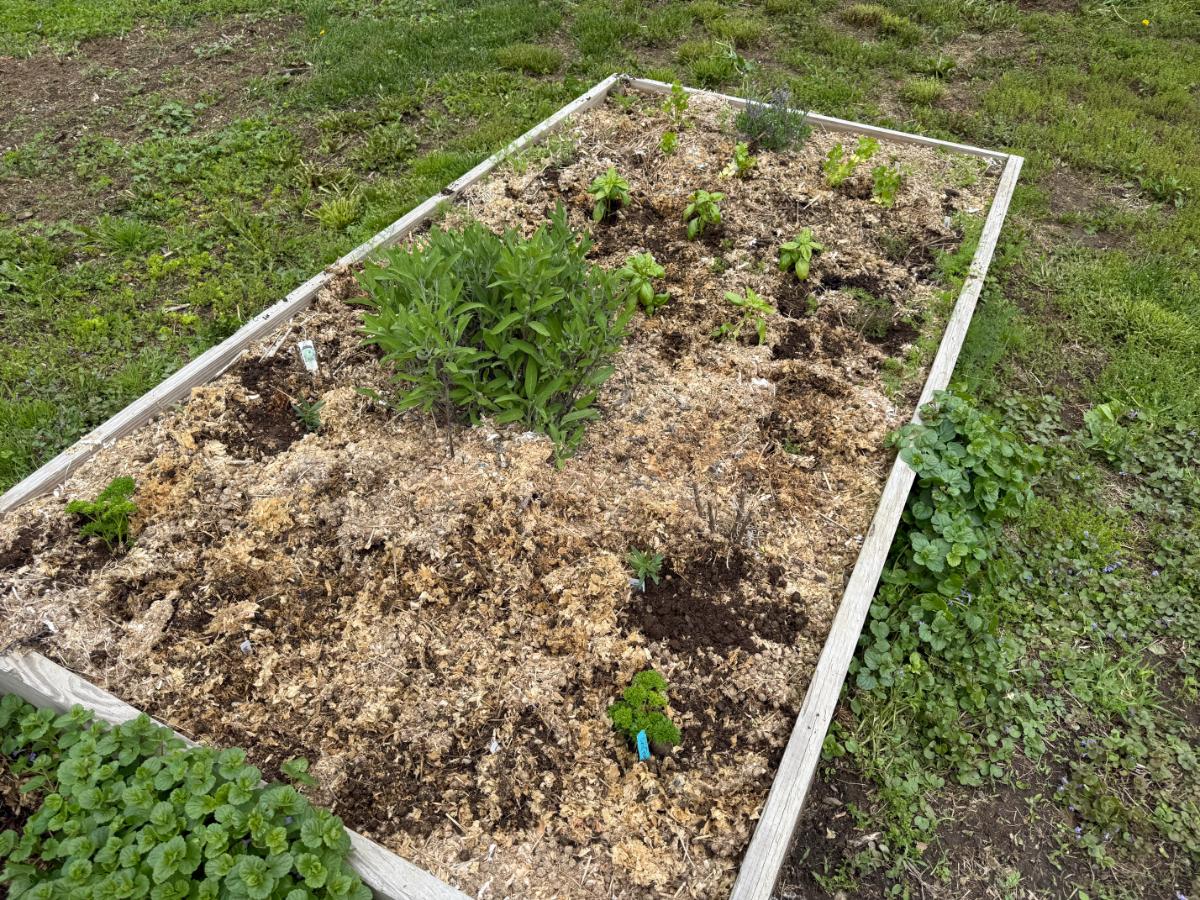
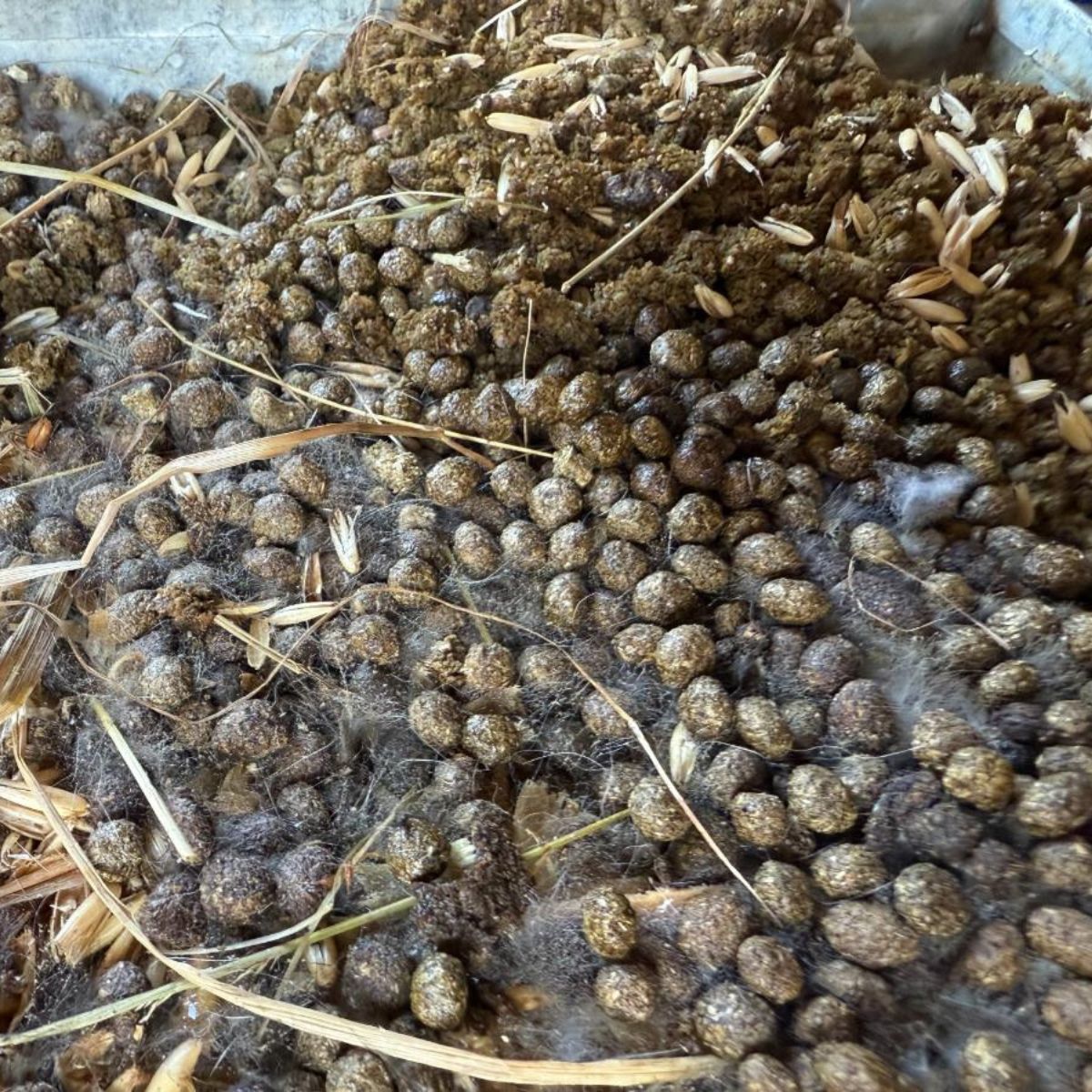
You’ll have rabbit manure in abundance. But it’s also a good abundance to have!
Rabbit manure is one of the best fertilizers you can have for a yard and garden.
What’s great about rabbit manure is that it is a “cold” manure. That means, it will not burn plants or their roots, not even when it is fresh. Rabbit manure can be directly applied to gardens and plants at any time of year. Including during the growing months.
In winter, I spread the cleanings from my barn directly onto garden beds, orchards, and my garlic patch. It composts into the soil over the dormant months, and the nutrients are there for the plants when they wake up in the spring.
In the summer, I do the same. I will usually work my way through the garden so that eventually everything gets a topping up with manure. Then I move on to the orchard, asparagus, berry, and rhubarb patches.
- Rabbit manure is basically odorless, especially outside (the odor is mostly from the urine)
- It is dry and easy to handle
- Great source of potassium, nitrogen, and phosphorus, as well as many trace minerals and some calcium
- Rabbit manure can be used as a top or side dressing
- Can be used as a pre- or post-season amendment
- Can be tilled in, worked in, or spread on top of soil
- Excellent organic matter to build up poor soil
- Breaks down over time and is a natural, slow-release fertilizer
- Many breeders make good money selling rabbit manure
- Rabbit manure is a good addition to any compost pile
- Manure can be used to make manure compost tea
- Great for vermicomposting (worm composting) or attracting and supporting earthworms in your soil
Rabbit Urine
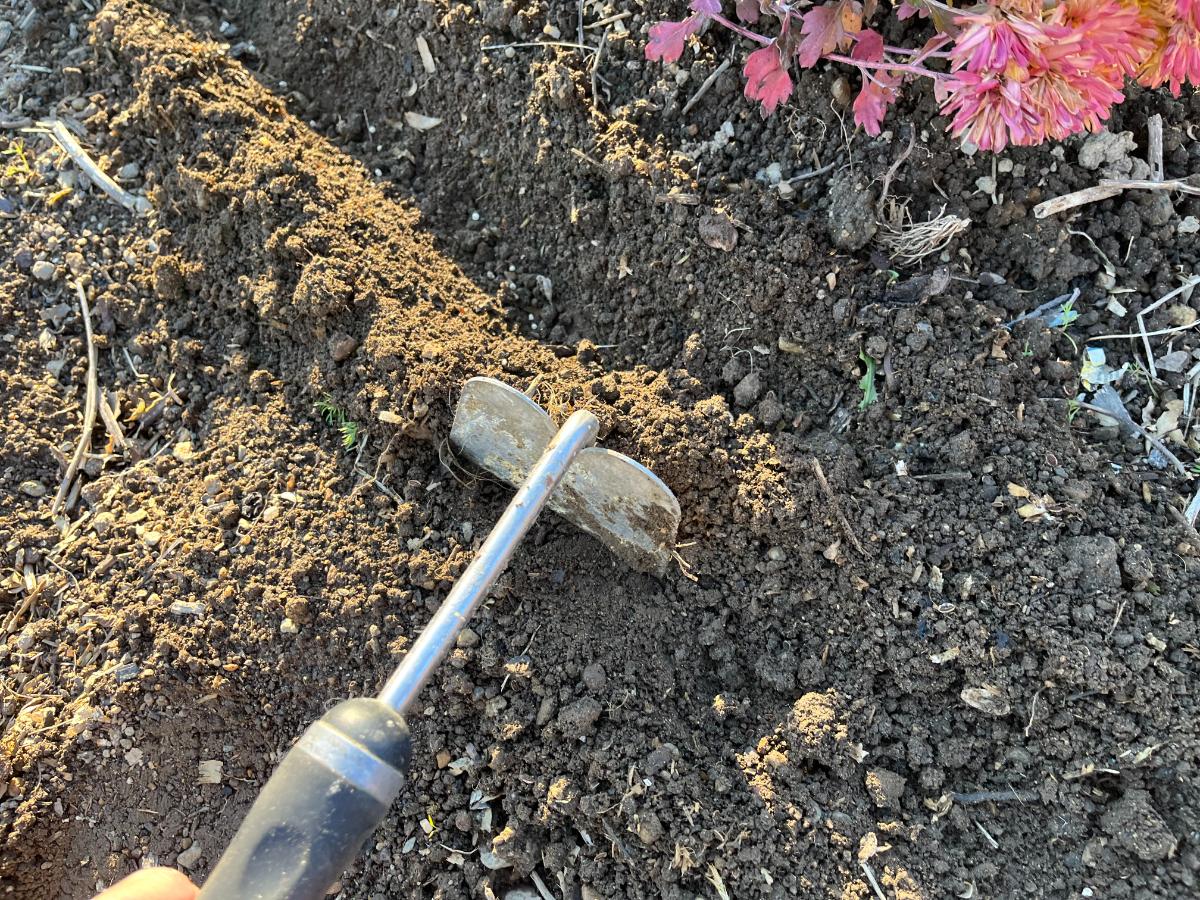
Rabbit urine is listed as separate from rabbit manure because some people do separate the two. This can be accomplished by using a screen to catch the solids with a tote or container below for urine (or, if outside, letting the urine run onto the ground).
Rabbit urine is a source of urea, which is a source of nitrogen for soil. It contains other soil nutrients and minerals, including calcium. There are several uses for rabbit urine, mainly in the yard and garden:
- On its own, urine is concentrated and can be too hot for pouring directly on plants and their roots
- Dilute urine before applying it directly to plants or roots
- 1:10 urine: water for foliar spray for established plants
- 1:20 dilution for seedlings
- 1:5 dilution for liquid or drip irrigation fertilizer for established plants
- 1:10 dilution for liquid fertilizer or drip irrigation for seedlings (can do 1:20 for very small or newly potted up seedlings)
- Rabbit urine is also an excellent insect repellent for the garden
- Repels pests including aphids, mites, cabbage worms, moths, leaf miners, sap-sucking insects, and white flies
- Dual-purpose fertilizer and pest protection in one!
Mixed Rabbit Waste and Bedding
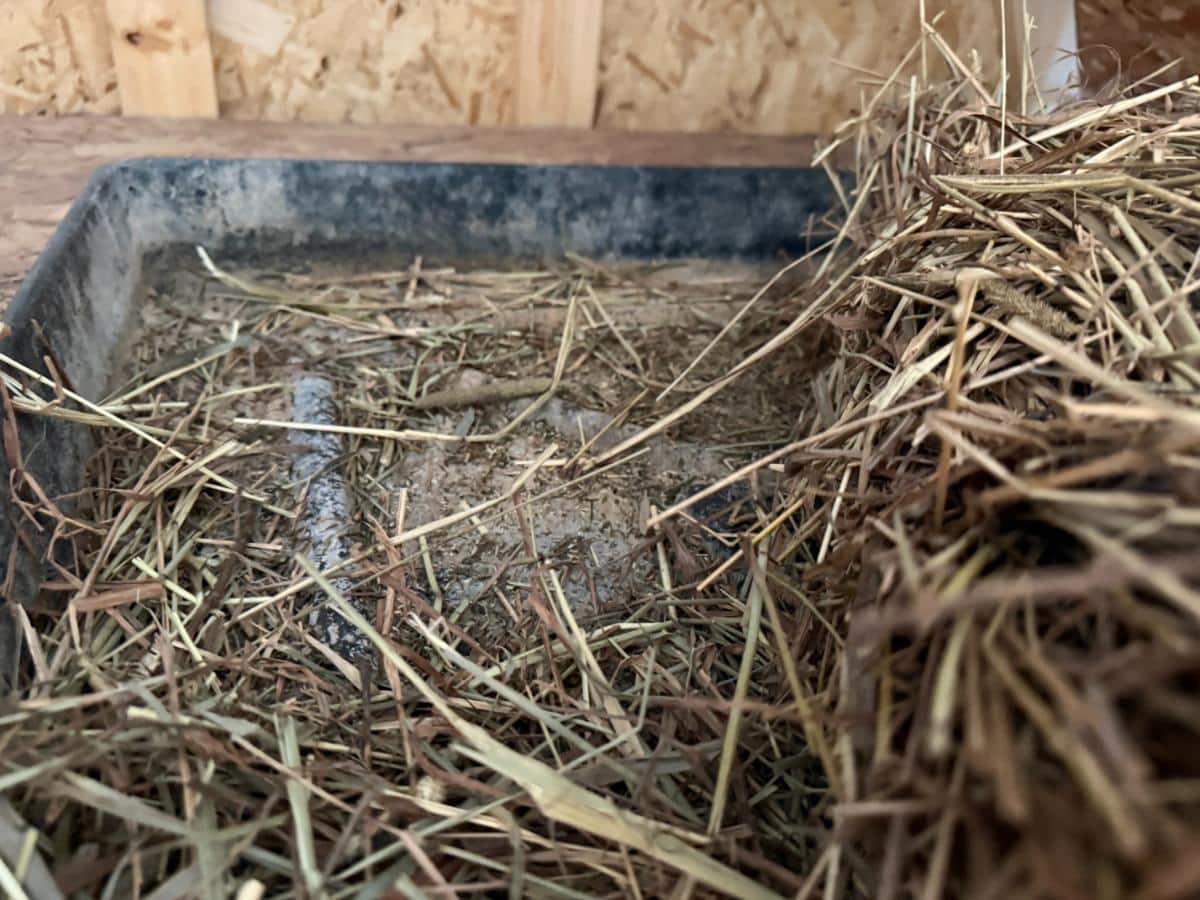
If you have a stacked cage system with dropping trays, it’s likely your waste will be mixed. This, too, is useful.
Mixed waste trays and systems often contain a combination of rabbit manure, urine, and shavings, such as pine shavings. You may have hay or hay seed mixed into the waste, too, depending on whether and how you feed or use things like that.
Even mixed rabbit waste can be very good for gardens, orchards, and more. But you might want to stop and think about what’s in your waste and what its impact might be if you use it directly.
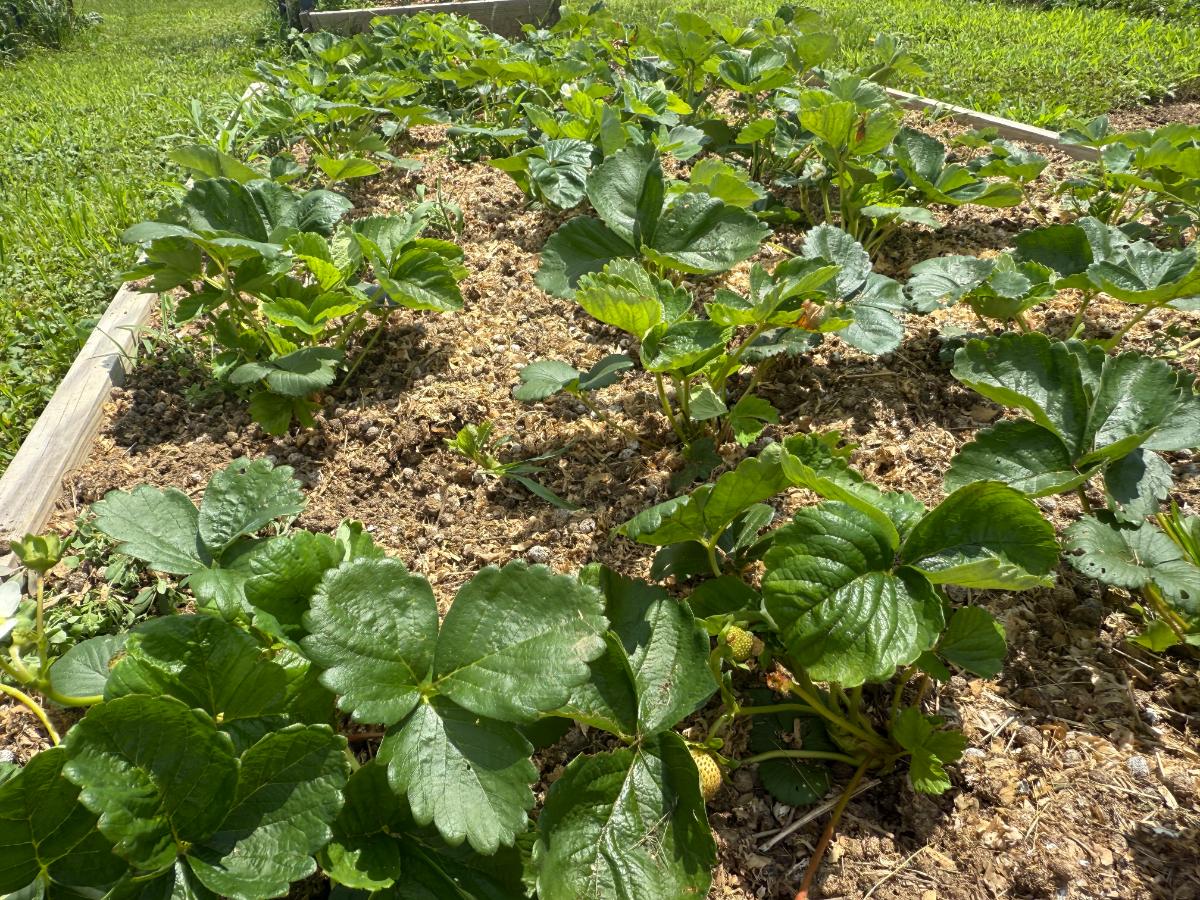
- Mixed shavings, manure, and urine can typically be used straight without issue
- Urine in mixed bedding does not generally burn plants because it is already absorbed, diluted, and slowly released from the bedding
- Mixed waste can be both a good mulch, weed suppressant, and fertilizer
- Woody-stemmed plants will not be bothered by mixed waste, as long as you don’t pile them up against woody stems and trunks (like you should do with any mulch or amendment)
- Even most green-stemmed plants will do fine with mixed waste, but if you have concentrated urine, it can cause some burning
- To avoid this, you can water the waste down before applying or immediately after; this will dilute the urine to a level that won’t burn (and helps water the plants and captures urea before it evaporates)
- For food safety, the instruction is not to apply fresh manure or urine within 120 days of harvest if it will come in contact with edible parts of the plant
- An alternative would be to compost the mixed waste before it is used; this will age the urine so that it won’t burn plants
- Hot compost piles will also kill off seed, like grass or hay seed, or seed from feed mixes, so they don’t become weeds in the garden
Just be aware of what might be in your mix and what impact it might have on a garden or other plants if you are directly applying it. Whether you can apply mixed waste directly will depend on what you’re using in the drop trays, how balanced that might be, and what the content and potential needs of your soil may be.
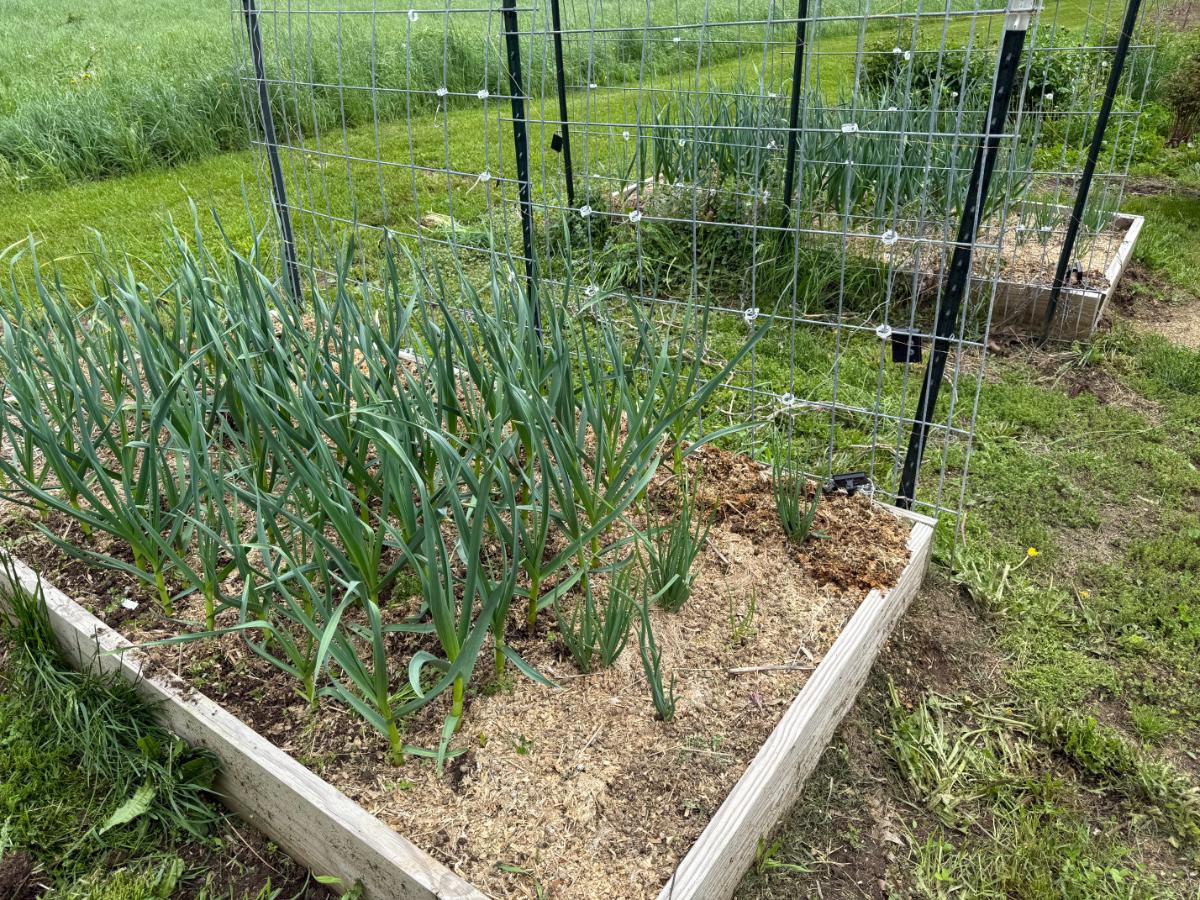
For example, if you use lime in your trays, this could potentially upset the pH of garden or yard soil. Lime raises soil pH. That is a good thing if you have soil that is too acidic for what you are growing. Lime is a common amendment for garden soil and grass. It can bring the pH up to neutral or alkaline, depending on how much you apply.
Lime has many good uses in the rabbitry - absorbing urine, reducing odors, controlling flies, and other pests. To be sure, lime is not bad. It is just that you want to think about where you are using mixed waste, if it has lime in it.
If you are using an odor or moisture-absorbing alternative like PDZ or other products, check into them before you apply them to a soil area you care about. PDZ is labeled as a biodegradable mineral, but again, the question would be whether it causes an imbalance or if it has a benefit.
Though you will often hear that shavings take nitrogen out of the soil, this isn’t much of a concern with mixed rabbit waste that contains shavings, for a few reasons. For one thing, nitrogen is not taken out. It is only used temporarily as the woody products break down. This is true for wood chips, etc. So it is tied up, not consumed.
Also, you are providing high nitrogen sources along with the shavings, including urea for urine and nitrogen from the manure. The shavings don’t use all of what is in the soil, only what they need to break the shavings down. Typically, mixed rabbit waste has plenty of nitrogen to go around for both purposes. What isn’t tied up with the shavings can be used by the plants, and then the rest is available after the breakdown of the woody products releases it back into the soil.
*Though we’re talking mostly about drop tray waste here, the same holds true for any mixed waste.
VIDEO: Cleaning Day in the Meat Rabbit Barn
Nest Box Materials
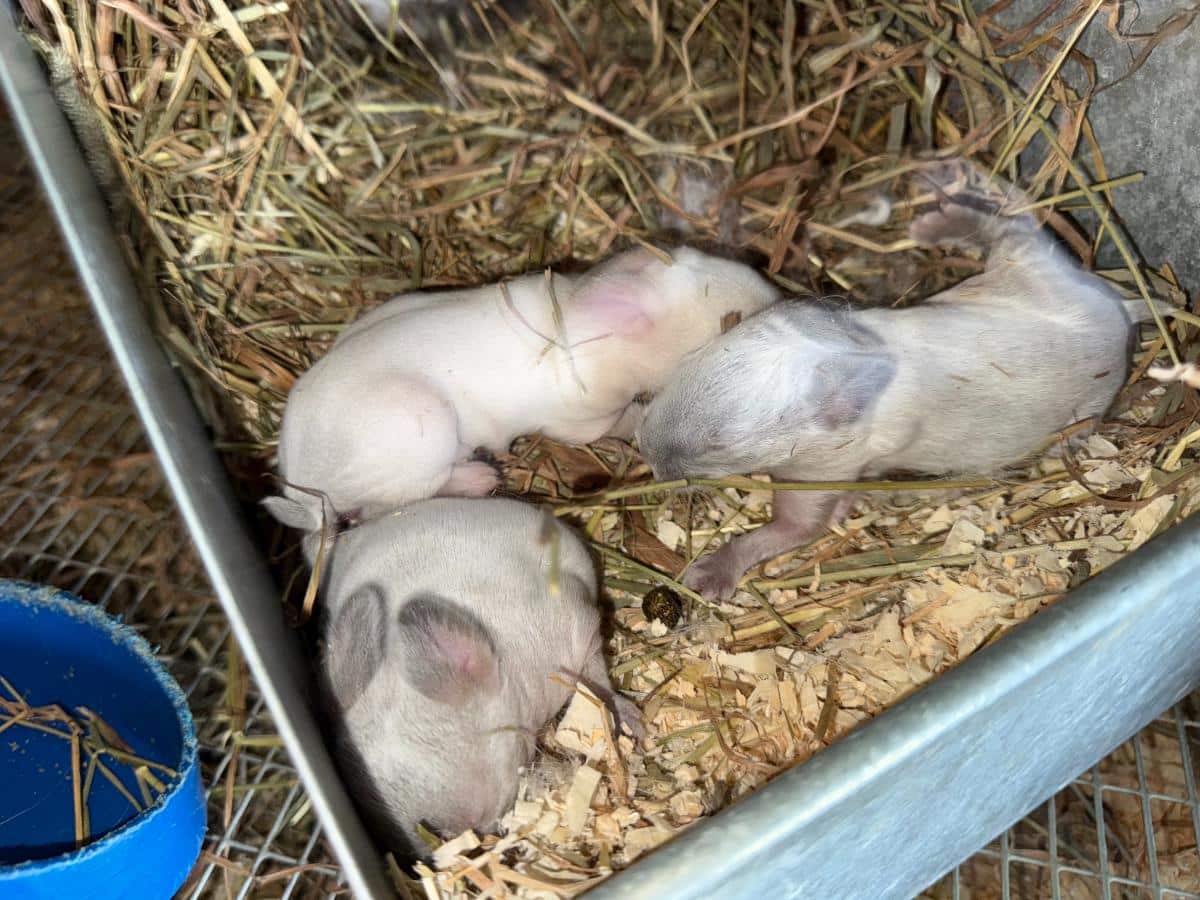
Nest box materials can be used in the ways mentioned above, but my preference is to put these in the compost pile. The hay used in my nest boxes may contain seed, and I prefer that it not go into the garden (or at least limit its use there). In a hot compost pile, hay seed is rendered inert.
If you are not concerned with the seed, there is no reason that nest box waste cannot go into soil or gardens.
Used Straw
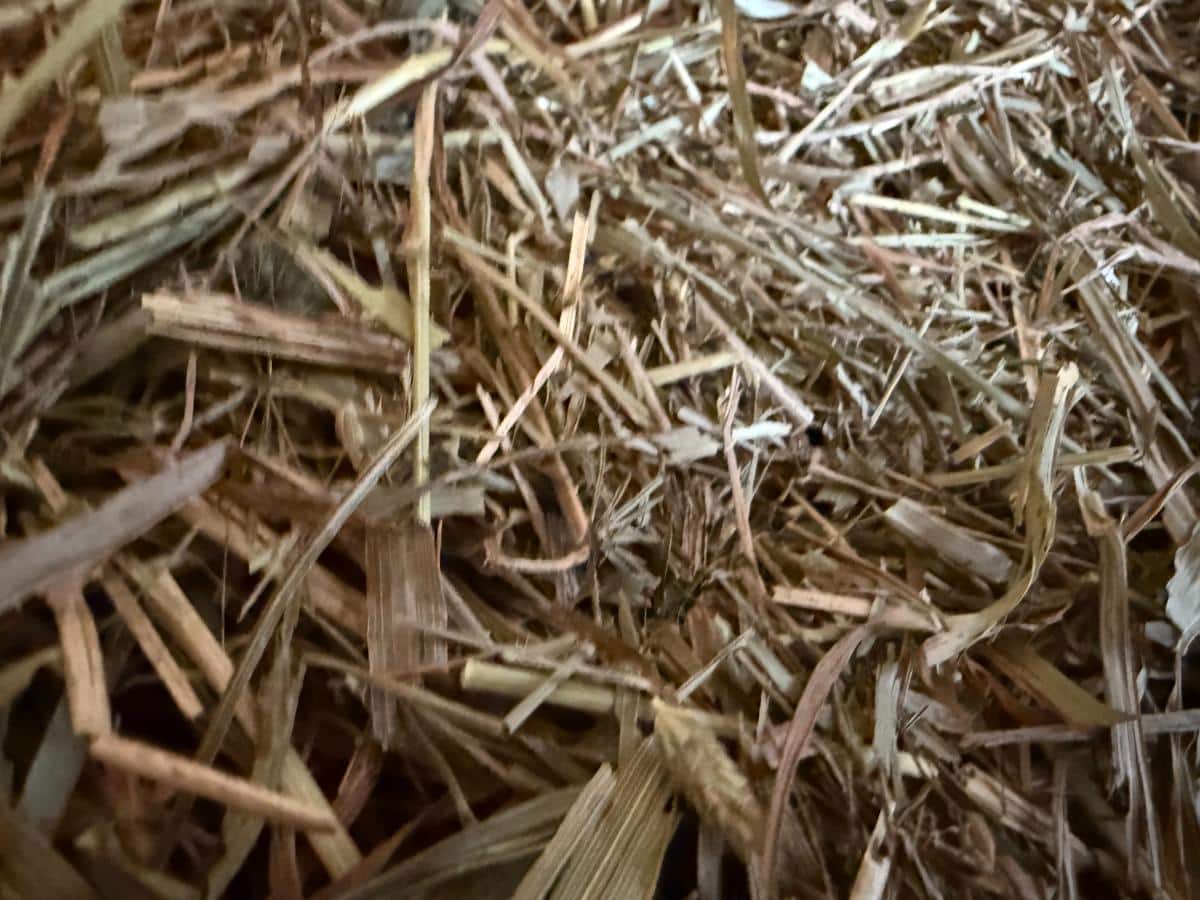
Though I do not generally use straw in my rabbitry (mostly a supply and access issue), many people do. Straw that comes out of the rabbitry can be used in any way that you would use new or clean straw in a yard or garden.
Some possible uses for collected waste straw include:
- Mulching
- Weed control
- Composting
- Chopping and tilling into the soil as a soil-building amendment and source of organic matter
Don’t worry about any urine that might have soaked into straw; it will not be enough to cause harm (unless, for some reason, your straw is dripping wet with rabbit urine).
Barn Sweepings
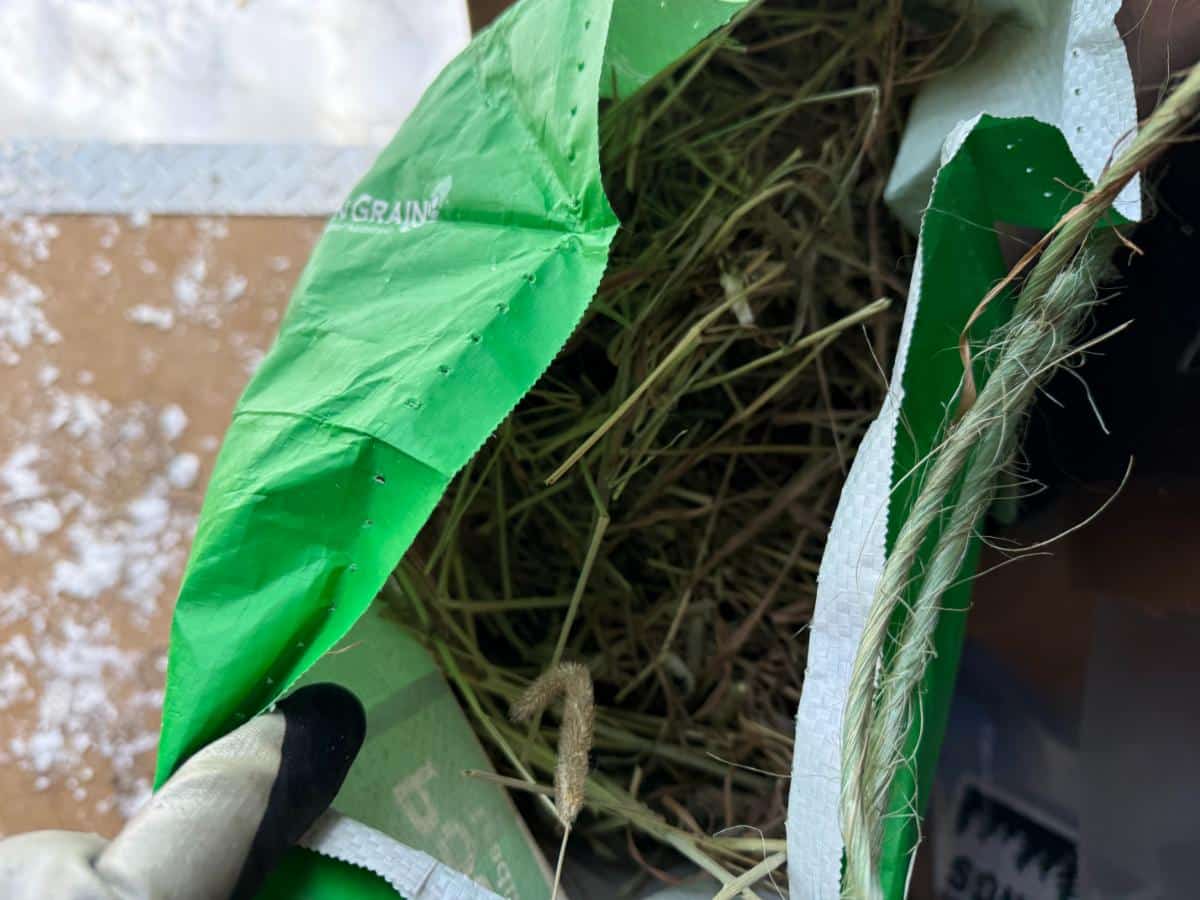
There are always things getting swept up off the rabbit barn floor. Mostly, hay and shavings.
I collect this in old grain bags. I like to get the seed in with it. The best place to use this is in the spring to seed new lawn areas or patch a lawn area that has seen some suffering.
I’ll also use this hay over grass seedings to help hold in moisture and protect the seed from sunburn as it sprouts and until it is strong enough to survive on its own. Then, it just gets mowed and chopped when we start mowing that patch, and it becomes a more beneficial soil structure.
Hay Waste and Storage Sweepings
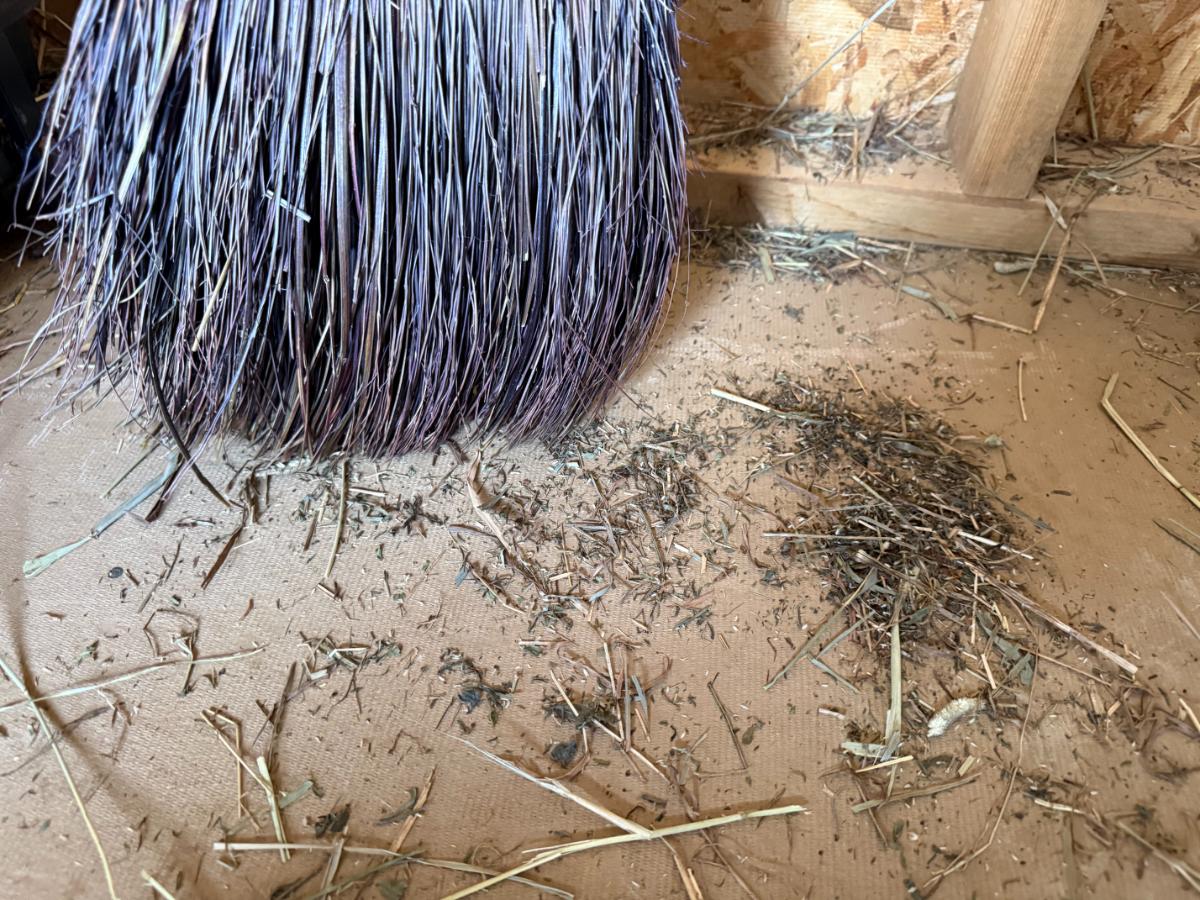
Hay storage areas always end up with some waste. I’ll use this in phases:
- Bulk sweepings from the hay loft are used as loose feed or nest box lining, as long as it is not too dirty or dusty
- There is often a lot of dropped seed in hay storage and loft areas, and this is excellent free hay or grass seed
- Just spread it, hay and all, wherever you need to reseed
Waste Little, Want for Little, Gain a Lot!
The great thing about meat rabbits and all their leavings is that you can be very efficient in their use. Of course, how much you use is up to you, but there is a use for every part of the rabbit and almost every bit of refuse and waste that comes out of the rabbitry.
Every bit of waste or rabbit that you reuse makes your meat rabbits even cheaper and more efficient to keep, with an even better return on your investment.
VIDEO: Reader Questions Answered: How I Use Rabbit Waste in the Garden
Resources and More Reading:
- Potential of Rabbit Urine as Fertilizer on Growth and Production of Brassica carinata L. – Springer
- Rabbit Urine and Faeces in Vegetable Farming – Kuch99
- The Benefits and Uses of Rabbit Manure – Rise and Shine Rabbitry
- Rabbit Manure in the Garden – Fine Gardening
- 14+ Uses for Sawdust in the Garden – Gardening.org
Leave a Reply